By Mirror & Glow Editorial Desk – November 23, 2026
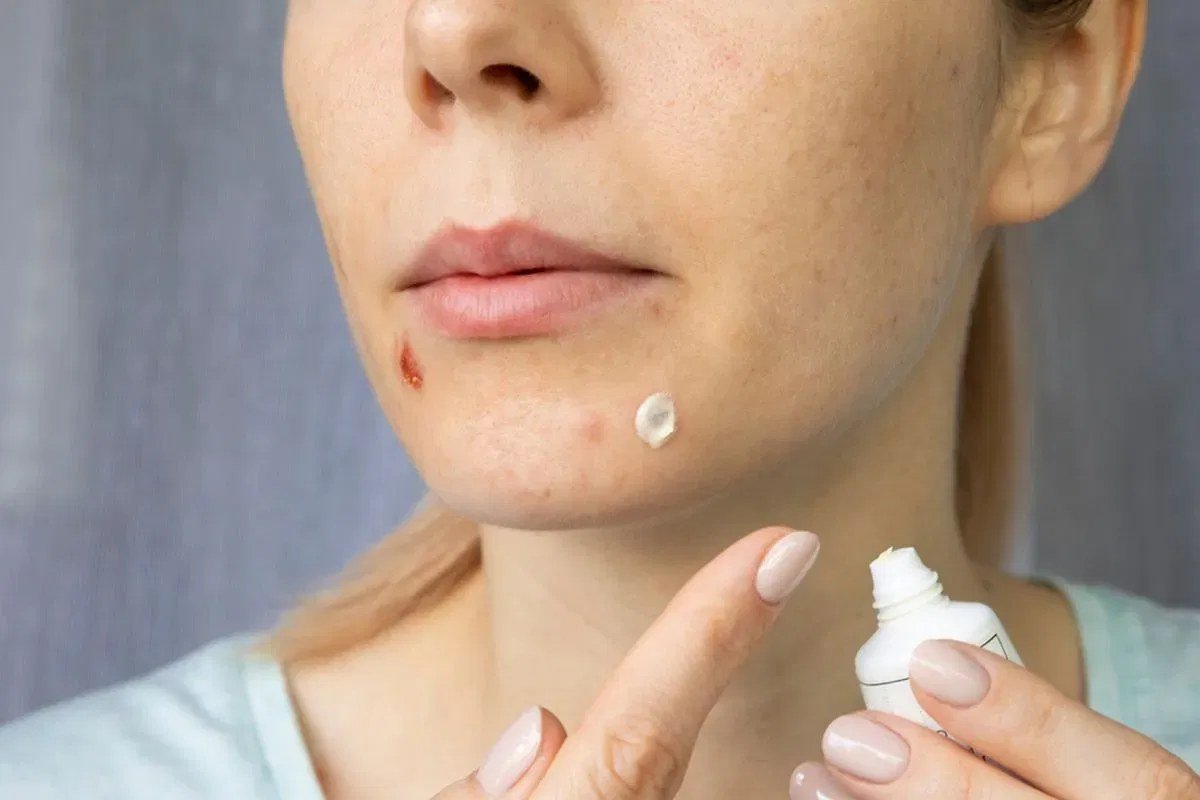
Woman applying acne gel to a spot on her chin.
The short verdict on adapalene gel vs benzoyl peroxide for acne: neither option wins for everyone. Adapalene Gel, Benzoyl Peroxide for Acne differ in how they work, who they suit and what they cost in effort and money terms. Each option is explained in depth below, the table sets the differences out plainly, and the verdict section matches each option to the readers it actually suits.
Adapalene Gel vs Benzoyl Peroxide for Acne Compared
Factor
Adapalene Gel
Benzoyl Peroxide for Acne
How it works
It prevents the cell build up that starts clogs and spots.
It releases oxygen in the pore, which the bacteria cannot tolerate.
Best for
Acne routines wanting a well tolerated retinoid as the backbone.
Inflamed, red breakouts and acne on the face, back and chest.
Routine fit
A pea sized amount for the whole face, at night, two to three nights a week at first, building to nightly as tolerated, with moisturiser before or after as a buffer. Sunscreen every morning is part of the treatment, not an extra.
As a wash, massage in and leave on the skin a couple of minutes before rinsing; as a leave on, a thin layer once daily to start. Introduce over two weeks, moisturise well, and judge the pattern at eight to twelve weeks.
Cost level
Varies by brand and format; judge by the criteria in this guide rather than headline prices.
Varies by brand and format; judge by the criteria in this guide rather than headline prices.
Downsides
Slow, with an adjustment period, and not for use in pregnancy.
It bleaches fabric and can dry and irritate skin.
The Products Behind This Comparison
Comparisons are settled by real products, so the full line up from the buying guide Best Adapalene Gel for Acne Scars is set out here in the same detail: every product with its photo, full description, specifications, pros and cons, and who should buy or skip it.
Product
Standout Point
Key Specification
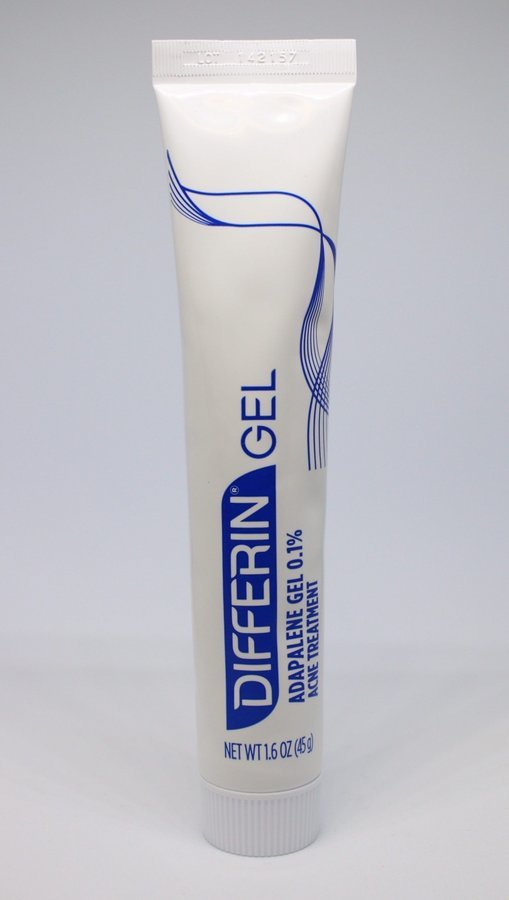
Differin GelTop Pick
The original OTC adapalene, with the longest track record
Adapalene 0.1% gel – 0.5 oz and 1.6 oz tubes – once daily – fragrance free
Differin Gel is the original over the counter adapalene: the first retinoid the FDA cleared for sale without a prescription for acne, in 2016, after years as a prescription only treatment. For this guide’s question, its relevance is twofold. Used nightly, it keeps pores clear so new breakouts, and therefore new marks, stop forming, and as a retinoid it supports the skin’s own gradual improvement in the flat discoloration and uneven texture that healed acne leaves behind. The gel comes in a 0.5 oz (15 g) tube and a 1.6 oz (45 g) tube, with a pump version of the larger size also sold; a pea sized amount covers the whole face, so even the small tube lasts weeks. Apply it in the evening to completely dry skin, after cleansing, and moisturise over it; beginners with dryness or flaking can apply moisturiser first and the gel over the top while their skin adjusts. The honest timeline is eight to twelve weeks before judging, and the first fortnight often brings dryness, mild peeling or a temporary flare of breakouts as pores clear. It is fragrance free and oil free, it should not be applied to eczema, cuts or sunburnt skin, and topical retinoids are generally avoided during pregnancy, so check with a clinician if that applies. Daytime sunscreen is part of the deal, since retinoids leave skin more sun sensitive while it adjusts.
Specifications
Adapalene 0.1% gel
0.5 oz and 1.6 oz tubes
once daily
fragrance free
Pros
The original OTC adapalene, with the longest track record
Two tube sizes plus a pump version of the large size
Fragrance free, oil free, simple once nightly use
Cons
Dryness and flaking are common in the first weeks
Eight to twelve weeks before results can be judged
Avoid during pregnancy and on eczema or broken skin
Who should buyyou want the original, most widely stocked over the counter adapalene with a choice of tube sizes.
Who should skipyou are pregnant, have eczema on the treatment area, or cannot commit to nightly use for three months.
La Roche-Posay’s Effaclar Adapalene Gel takes the same 0.1% adapalene and puts it in the Effaclar system, the brand’s long running range for oily, acne prone skin, in a single 1.6 oz (45 g) tube size. The tube states its positioning plainly: a once daily topical retinoid, dermatologist developed and tested, for acne treatment. In practice the molecule does the same work as every other pick in this guide, preventing the clogged pores that become breakouts and supporting gradual improvement in post acne marks and texture, so the reason to choose this version is the brand around it: readers who already use Effaclar cleansers and moisturisers, or who simply trust La Roche-Posay’s pharmacy positioning, get the retinoid that matches the rest of their shelf. The gel itself is oil free and fragrance free, applied as a pea sized amount over the whole face at night, not dabbed on individual spots, because adapalene works preventatively across the area where breakouts form. Expect the standard retinoid adjustment: some dryness, tightness or flaking in the early weeks, eased by moisturising over the gel or using it on alternate nights at first, and judge the effect on marks over eight to twelve weeks. Keep it away from the eye area, eczema and broken skin, avoid it during pregnancy, and pair it with morning sunscreen, which the same brand shelf makes easy to keep consistent.
Specifications
Adapalene 0.1% gel
1.6 oz tube
once daily topical retinoid
dermatologist tested
Pros
Same proven 0.1% adapalene in a dermatologist brand formula
Generous 1.6 oz tube is the only size, no small tube dilemma
Oil free and fragrance free, fits the Effaclar routine
Cons
Only sold in the large size, a bigger first commitment
Same early retinoid dryness as every adapalene gel
Premium positioning within this small category
Who should buyyou prefer a pharmacy skincare brand and the larger single tube format.
Who should skipyou want the smallest, cheapest way to test adapalene first.
AcneFree is the drugstore value line in this small category, and its Adapalene Gel 0.1% is sold in the two sizes that matter: a 0.5 oz (15 g) tube for a first trial and a 1.6 oz (45 g) tube the packaging describes as a 90 day supply, which is realistic given the pea sized amount a nightly application actually uses. The box makes the same points as its pricier rivals, previously prescription only, FDA approved, dermatologist developed, because underneath the branding the active and strength are standardised: adapalene 0.1%, once daily, for acne. For acne scars and marks, its role is identical to the other picks: stop new breakouts forming so the supply of new marks dries up, while the retinoid supports slow improvement in existing discoloration and surface texture over eight to twelve weeks of nightly use. AcneFree sits inside a wider budget acne range of cleansers and moisturisers, which suits readers building a whole routine at drugstore prices. The gel is applied to dry skin in the evening and moisturised over; dryness and flaking in the first weeks are the usual adjustment, managed by alternate night use while skin settles. The standard retinoid cautions apply in full: not for eczema or broken skin, avoid during pregnancy, and daily sunscreen while using it. What you give up versus the bigger brands is mostly presentation; what you keep is the same regulated active at the same strength.
Specifications
Adapalene 0.1% gel
0.5 oz and 1.6 oz tubes
once daily topical retinoid
Pros
Two sizes, including a 90 day supply large tube
Same standardised 0.1% adapalene as the premium brands
Part of a full budget acne range for a matched routine
Cons
Basic packaging and presentation
Early dryness and flaking still apply, as with all adapalene
Brand support and guidance materials are thinner than rivals
Who should buyyou already use AcneFree washes and want the matching retinoid step.
Who should skipyou prefer the original brand’s pump format for the large size.
ProactivMD Adapalene Gel comes from the medical leaning arm of Proactiv, the brand that built its name on multi step acne kits, and it is sold both as a standalone tube and as the retinoid step inside ProactivMD kits. It comes in 0.5 oz (15 g) and 1.6 oz (45 g) tubes of adapalene 0.1%, used once daily, and its natural audience is the reader who already knows the Proactiv system and wants the strongest single step in it: the retinoid that prevents breakouts and, over months, supports improvement in the marks and rough texture previous breakouts left behind. Used alone, it behaves exactly like the other gels in this guide: pea sized amount, whole face, evening, on dry skin, moisturiser over the top, sunscreen in the morning. Used inside the kit, follow the kit’s own ordering and introduce the adapalene gradually, since combining a fresh retinoid with the range’s other active cleansers and treatments from day one is how irritation happens. The adjustment period is the familiar one of dryness and flaking in the early weeks, with results on marks judged at eight to twelve weeks and beyond. It carries the standard cautions for the ingredient: keep off eczema, cuts and sunburn, and avoid retinoids during pregnancy. Between this and Differin, the honest difference is brand ecosystem and which sizes and bundles a given retailer stocks, not the active in the tube.
Specifications
Adapalene 0.1% gel
0.5 oz and 1.6 oz tubes
once daily acne treatment
Pros
Standalone tube or the retinoid step in ProactivMD kits
Both trial and full sizes sold
Familiar system for existing Proactiv users
Cons
Kit marketing can push unnecessary extra steps
Same standardised active as cheaper rivals
Retinoid dryness in the first weeks, as with all picks here
Who should buyyou use the ProactivMD system and want its own adapalene step.
Who should skipyou want a standalone tube without a wider product system around it.
PanOxyl built its reputation on benzoyl peroxide washes, and its Adapalene Gel 0.1% is the brand’s leave-on retinoid: a small 0.5 oz (15 g) tube of adapalene gel, marketed as free from oils and fragrances, designed to be applied once daily and left on overnight. The small size is the point and the limitation at once: it is the lowest commitment way in this guide to start a retinoid, enough for several weeks of pea sized nightly applications across the face, but readers who get on with it will be repurchasing sooner than with the 45 g tubes. Its role for acne scars matches the rest of the list: prevent the breakouts that create new marks, and support gradual fading of discoloration and smoothing of texture over eight to twelve weeks. One combination note is specific to this brand’s shelf: many PanOxyl users also use its benzoyl peroxide wash, and the two can be combined sensibly, the wash rinsed off in the morning and the adapalene left on at night, which limits the irritation of layering both leave-on. Start the gel on alternate nights if your skin is reactive, moisturise over it, and expect some early dryness. The usual retinoid rules apply: not on eczema or broken skin, avoid during pregnancy, and sunscreen every morning while it is in your routine.
Specifications
Adapalene 0.1% leave-on gel
0.5 oz tube
oil free and fragrance free
Pros
Small tube is the lowest commitment start in this guide
Oil free and fragrance free formula
Pairs logically with the brand’s benzoyl peroxide washes
Cons
Only sold in the small 0.5 oz size
Frequent repurchases for full face nightly use
Brand is better known for washes than retinoids
Who should buyyou want the lowest commitment small tube from a benzoyl peroxide specialist brand.
Who should skipyou need the large size, which this line does not sell.
A retinoid gel used for acne that normalises cell turnover inside the pore, available over the counter in many countries.
How it works: It prevents the cell build up that starts clogs and spots.
Retinoids work at the cell level, which is why timelines are months. Adapalene is considered more stable and generally better tolerated than older retinoids, and it pairs with benzoyl peroxide without being deactivated, a known issue for tretinoin. Early weeks often bring dryness, flaking and a purge as turnover speeds up; that phase is managed with moisturiser buffering and slower introduction, not by stopping at week two. It is not used in pregnancy.
Best for: Acne routines wanting a well tolerated retinoid as the backbone.
In your routine: A pea sized amount for the whole face, at night, two to three nights a week at first, building to nightly as tolerated, with moisturiser before or after as a buffer. Sunscreen every morning is part of the treatment, not an extra.
What Is Benzoyl Peroxide for Acne?
An antibacterial acne active that kills spot causing bacteria with oxygen, in washes and leave on gels.
How it works: It releases oxygen in the pore, which the bacteria cannot tolerate.
Strength is not a simple more is better: leave on studies have long suggested lower strengths around 2.5 percent work about as well as higher ones with less irritation, while washes use higher percentages because contact time is short. Its famous side effect is bleaching: towels, pillowcases and collars lose colour, so white linens are the practical fix. It deactivates some retinoids when layered, adapalene being the stable exception, which is why routines often split them morning and night.
Best for: Inflamed, red breakouts and acne on the face, back and chest.
In your routine: As a wash, massage in and leave on the skin a couple of minutes before rinsing; as a leave on, a thin layer once daily to start. Introduce over two weeks, moisturise well, and judge the pattern at eight to twelve weeks.
The Downsides of Each
Adapalene Gel: Slow, with an adjustment period, and not for use in pregnancy. The commonest way people make it worse: using a pea sized amount per cheek, multiplying irritation without multiplying benefit
Benzoyl Peroxide for Acne: It bleaches fabric and can dry and irritate skin. The commonest way people make it worse: using a high strength leave on daily from day one and burning through the adjustment phase
Verdict by Use Case
Choose Adapalene Gel if acne routines wanting a well tolerated retinoid as the backbone. That is the use case where its strengths matter most, and where its main downside, slow, with an adjustment period, and not for use in pregnancy.
Choose Benzoyl Peroxide for Acne if inflamed, red breakouts and acne on the face, back and chest. That is the use case where its strengths matter most, and where its main downside, it bleaches fabric and can dry and irritate skin.
If your situation sits between the two, the deciding question is usually effort: which option fits the routine you will actually keep for the next three months? The better option on paper loses to the one you use consistently, in almost every skincare category.
Can You Use Both?
In many skincare routines the options complement each other: used at different times, on different days or for different areas, each covering the other’s weak ground. The cautions are overload and duplication: do not run both at full intensity in the same session, and do not pay twice for the same job. Introduce any combination gradually, one change at a time, so you can tell what each option is actually doing for you.
How to Decide
Work through three questions in order. First, which option matches your type: the table’s best for row is written for exactly this, and a mismatch there outweighs every other advantage. Second, which downside can you live with: every option in this comparison has one, and the right choice is usually the one whose downside does not touch your actual problem. Third, which fits the routine you already keep: the option that slots into your existing skincare habits will still be in use in three months, and consistency is what turns a reasonable choice into a good result. If the answers point different ways, weight them in that order: type, downside, routine.
Which is better overall, adapalene gel or benzoyl peroxide for acne?
There is no universal winner: the better option is the one matching your skin or hair type, routine and the use cases in the verdict section above. The difference table shows where each one genuinely leads, and the downsides section shows what each one costs you.
Can I use both in the same routine?
In many skincare routines the two can complement each other, used at different times or for different areas, as long as the combination does not overload skin or hair. Introduce any combination gradually, and keep the total intensity at a level your routine can sustain.
Which is better for beginners?
Beginners usually do best with the option that has the gentler learning curve and the fewer downsides for their type, as set out in the table. Start there, and switch only if your needs change.
Which is better for sensitive skin?
The option with the shorter, gentler downside list for your type: compare the downsides row in the table first, start with the milder option, and patch test or trial at the lowest intensity before committing. If your skin or hair is under a clinician’s care, their sequencing comes first.
Which works out cheaper over time?
Compare total cost, not shelf price: how much product or how many consumables each option uses per month, how long a unit lasts in real use, and what you would otherwise spend on the alternative. In this category the cheaper option per use is often the one people abandon, which makes it the most expensive of all.
How do I decide if I can only choose one?
Match the option to your type first, using the best for row in the table, then check that its main downside does not overlap with the problem you are trying to solve. Finally, pick the one that fits the routine you already keep, because three months of consistent use with the second best option beats three weeks of the best one.
What is the best adapalene gel for acne scars?
The buying guide Best Adapalene Gel for Acne Scars compares the leading options for this exact need against the criteria that matter, with specifications, honest pros and cons, and a clear statement of who should skip each pick. It is linked from this page.
By Mirror & Glow Editorial Desk – November 23, 2026
Retinoids work at the cell level, which is why timelines are months. This guide applies that to how long does it take for adapalene gel to work: the method, the timing, and the traps to avoid.
By Mirror & Glow Editorial Desk – November 23, 2026
Differin Gel and La Roche-Posay Effaclar Adapalene Gel headline the best adapalene gel for acne scars: full specifications, photos, pros and cons for every pick in the line up.
By Mirror & Glow Editorial Desk – November 23, 2026
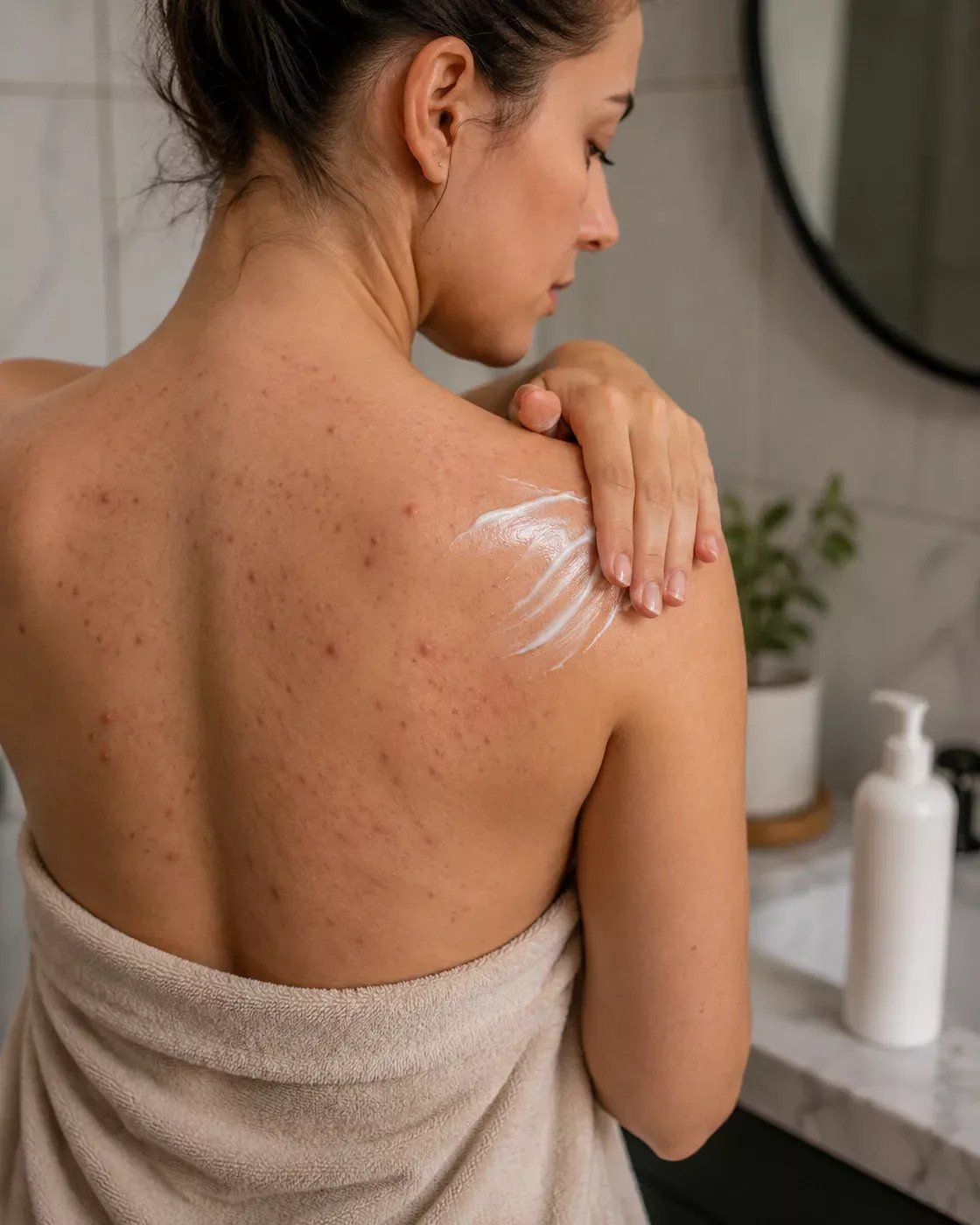
How to Get Rid of Acne Scars on Back? The short answer first, then the detail: one active at a time, introduced over two weeks, judged at eight to twelve weeks, with timing, amounts and the errors that stop it working.