By Mirror & Glow Editorial Desk – November 23, 2026
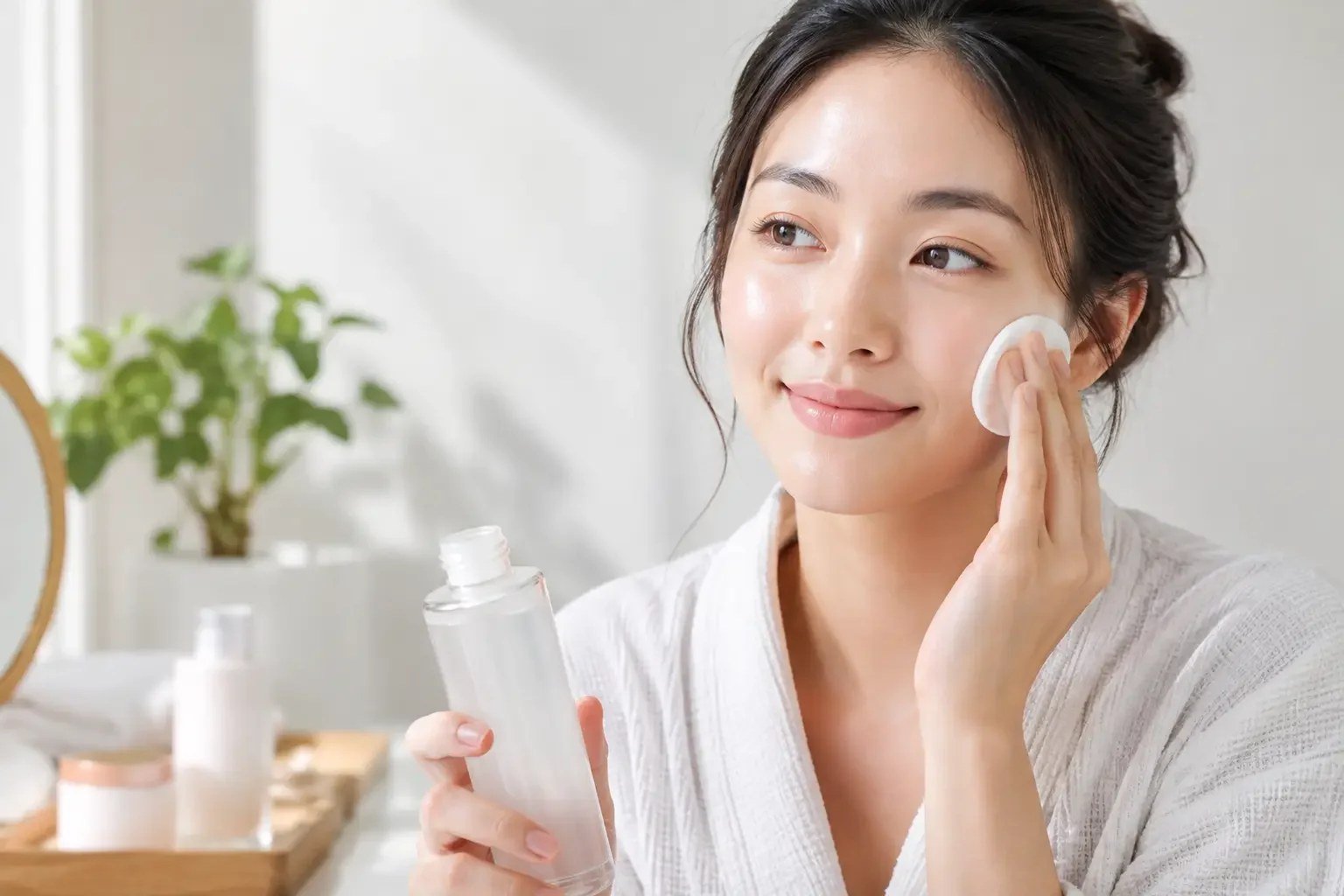
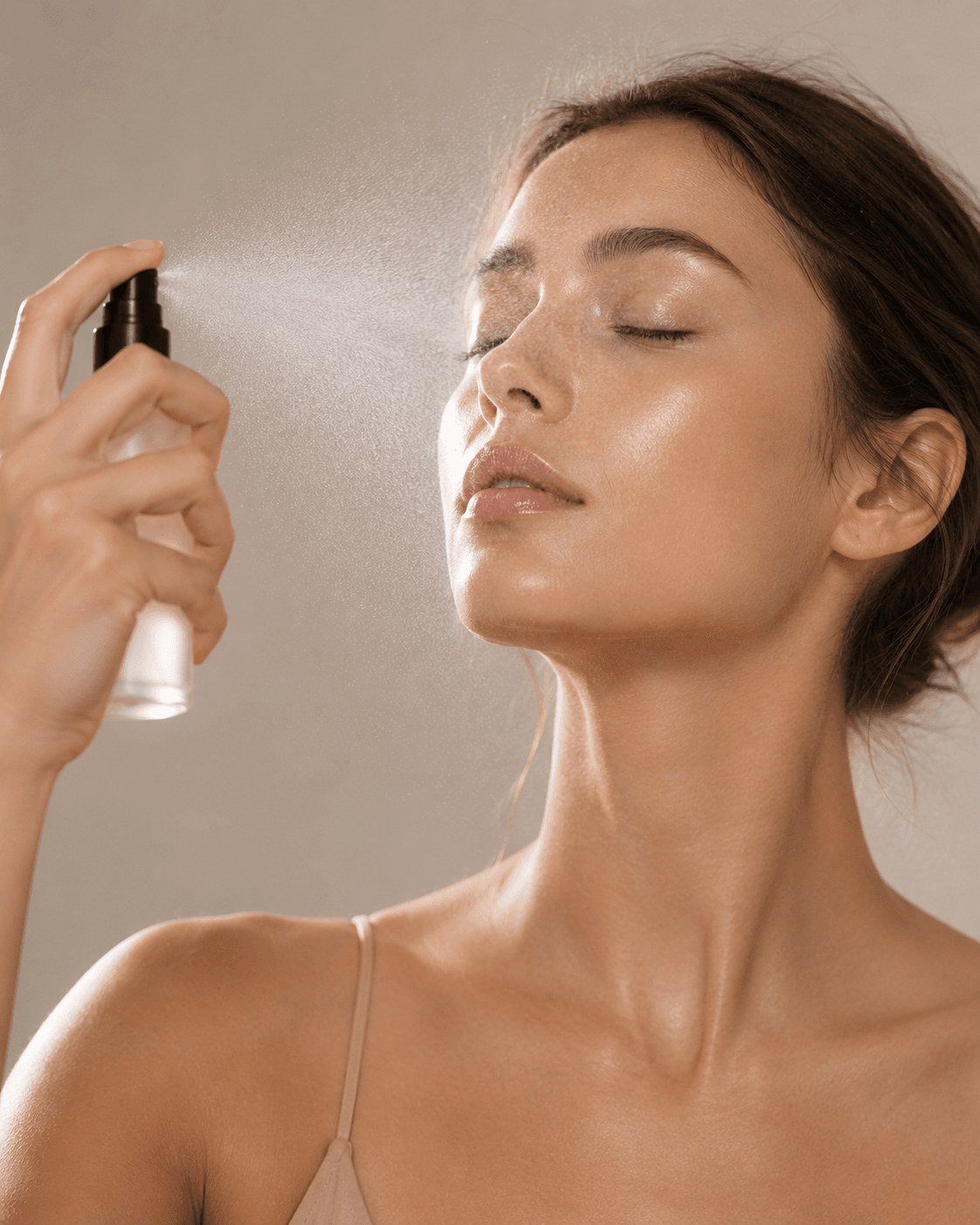
Woman sweeping toner across her face with a cotton pad.
Affiliate disclosure: Mirror & Glow may earn a commission from qualifying purchases made through links on this page, at no extra cost to you. Full disclosure.
The verdict up front: start with Paula’s Choice Skin Perfecting 2% BHA Liquid Exfoliant, the strongest all round match in this line up for acne prone skin. Every pick is compared in the table below, then reviewed in full with its downsides as well as its strengths.
If you are looking for the best face toner for acne prone skin, the right choice depends on fit, not hype. This guide is written for acne prone skin, and every criterion below is weighted for that need first. The short answer: choose the face toner whose formula, format and strength match your skin, check the ingredient or specification list before the marketing claims, and avoid the options whose downsides match the problem you are trying to solve.
What matters most in face toner is covered in depth below: what the product actually is, the types on sale and how they differ, the buying criteria explained one by one, how to use what you buy, and the mistakes that waste the most money in this category.
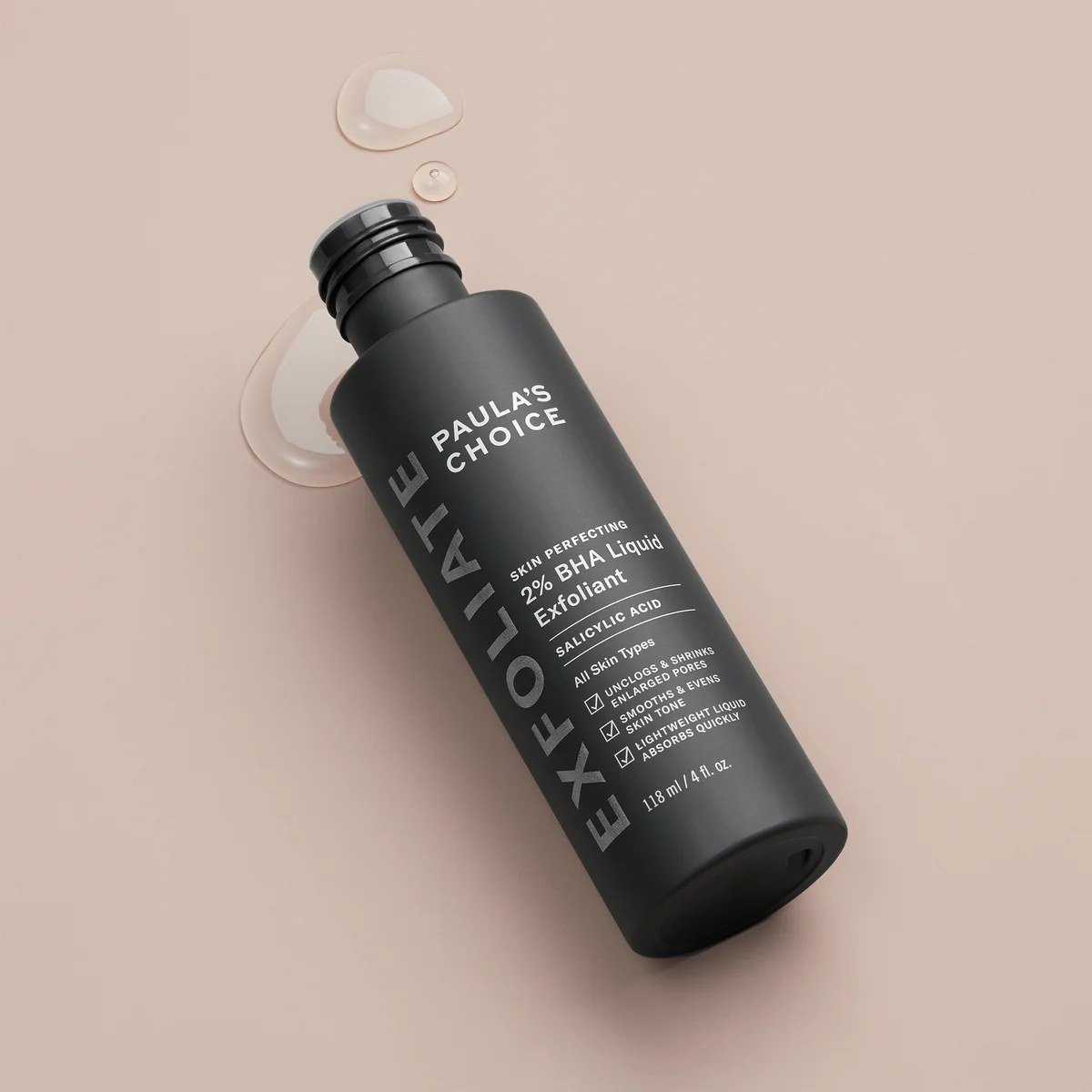
This is the product most dermatology minded readers mean when they say a toner for acne prone skin: a leave on 2 percent salicylic acid liquid that has become the category benchmark. Salicylic acid is oil soluble, so unlike water based acids it works inside the pore lining, dissolving the mix of oil and dead cells that becomes blackheads and breakouts, and 2 percent is the full over the counter strength. Paula’s Choice built the formula with a skin friendly pH for exfoliation, green tea to calm, and a light water texture that applies with palms or a cotton pad after cleansing, then stays on under the rest of the routine. Used two or three times a week at first, then up to daily as tolerated, it is the single most effective congestion treatment in this guide, and the one with the deepest base of long term user evidence behind it. The honesty notes: it is an exfoliant, not a hydrating toner, so it does not do the watery hydration job; overuse causes the dryness and flaking any strong BHA can; and its slightly oily slip surprises first time users. The price is mid range and a bottle lasts months at sensible frequency. For acne prone skin with blackheads and recurring congestion, this is the first buy, and everything else here is an alternative for a different preference.
Specifications
118 ml bottle
2% salicylic acid
leave on liquid exfoliant toner step
fragrance free
Pros
Full 2% salicylic acid at an effective pH
Leave on format treats pores continuously
Fragrance free with calming green tea
Cons
Exfoliant only, no hydration job
Overuse dries and flakes the skin
Slight oily slip takes getting used to
Who should buyblackheads and recurring congestion are your main problem and you want the benchmark treatment
Who should skipyour skin is very sensitive or you want a gentle daily toner rather than an exfoliant
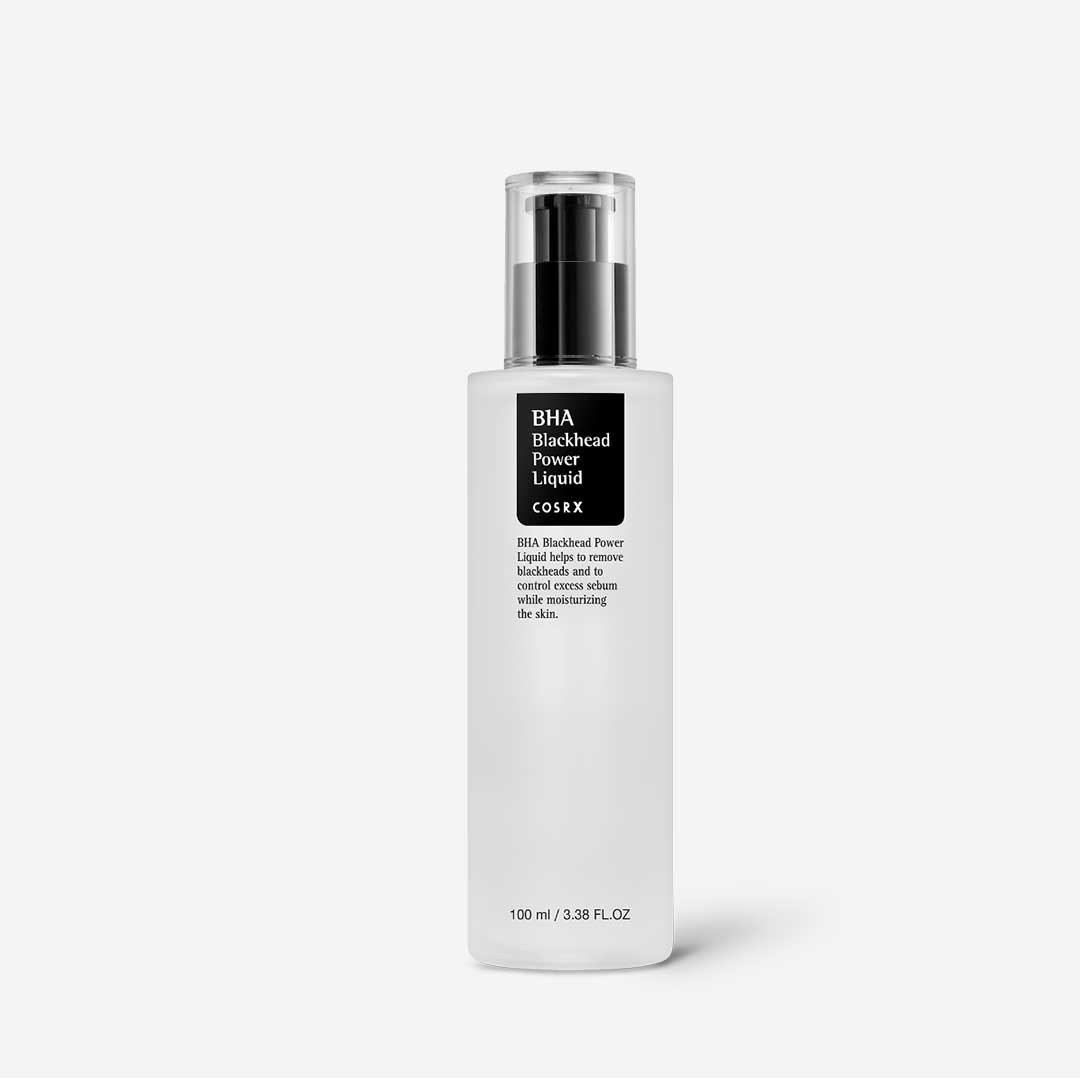
COSRX’s BHA Blackhead Power Liquid is the gentler Korean answer to the same brief: instead of salicylic acid itself it uses 4 percent betaine salicylate, a milder salicylic derivative, in a base of willow bark water with niacinamide and hyaluronic acid. That derivative choice defines it: the pore clearing and blackhead softening effect is real but slower and kinder, which makes it the BHA toner for acne prone skin that found Western leave on acids too drying or stingy, and for beginners who want to start the category without a purge of flaking. The texture is a slightly viscous essence liquid rather than a water, so it also leaves a layer of hydration behind, and the pump bottle is hygienic and generous. Used in the evening after cleansing, a few times a week building up, it gradually reduces the gritty, congested feel of the nose and chin and helps prevent the blackheads returning. The trade offs are the mirror of its gentleness: stubborn blackheads respond more slowly than to Paula’s Choice, the slightly sticky finish bothers some users under makeup, so it is best kept to evenings, and betaine salicylate has less published research behind it than salicylic acid itself. For sensitive leaning, congestion prone skin, it is the sweet spot of this category.
Specifications
100 ml pump bottle
4% betaine salicylate
willow bark water base
fragrance free
Pros
Milder betaine salicylate suits acid shy skin
Hydrating essence texture, not drying
Generous hygienic pump bottle
Cons
Slower on stubborn blackheads than 2% salicylic acid
Slightly sticky finish, best for evenings
Less published research than salicylic acid itself
Who should buyyou want BHA pore care but strong acids dry or sting your skin
Who should skipyou want the fastest, strongest blackhead treatment available over the counter
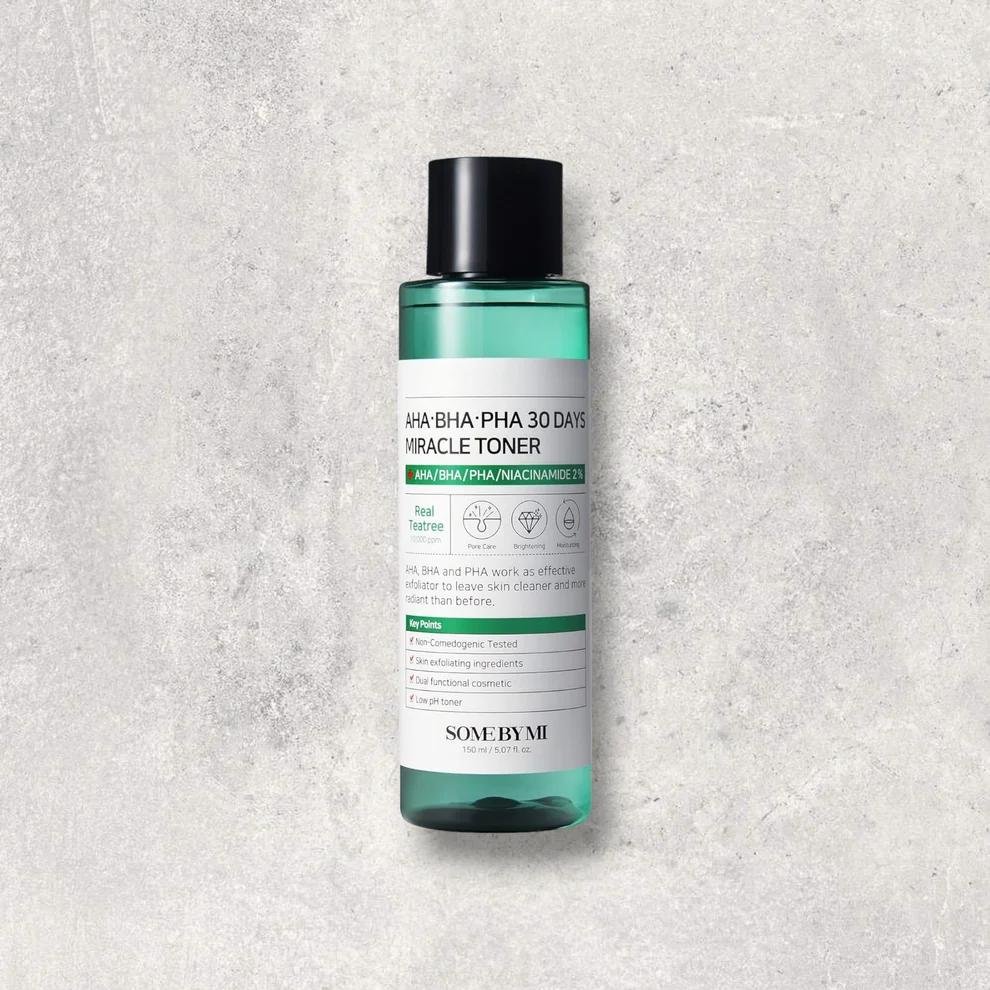
Some By Mi’s Miracle Toner is the multi acid Korean option: a daily toner combining AHA for surface texture, BHA for pores and gentler PHA for sensitive friendly exfoliation, in a base of tea tree leaf water with 2 percent niacinamide. Its design answers a common acne prone dilemma: skin that needs exfoliation for both clogged pores and the rough, mark left texture breakouts leave behind, but cannot tolerate a strong single acid every day. The acids here are at daily use levels, so the effect is a slow polish rather than a treatment hit, and the tea tree water gives it a mildly antiseptic, calming character that oily and combination acne prone skin tends to like. The famous 30 days name is marketing framing for a month of consistent use, which is honestly about the right timescale for judging any toner. It is a water texture applied with a cotton pad or palms, morning or evening. The compromises: daily acid, however gentle, still adds up alongside retinoids or benzoyl peroxide, so active heavy routines should alternate days; the formula contains fragrance components including citrus oils that reactive skin should note; and deep congestion needs more than a daily polish. As an all in one daily toner for combination acne prone skin that wants gentle constant exfoliation, it is well judged.
Specifications
150 ml bottle
AHA BHA PHA blend
tea tree leaf water
niacinamide 2%
Pros
AHA, BHA and PHA cover surface and pore exfoliation together
Tea tree water base suits oily combination skin
Daily strength levels for consistent use
Cons
Daily acids can clash with retinoid routines
Contains citrus fragrance components
Deep congestion needs a stronger treatment step
Who should buyyou want one daily toner that gently exfoliates, calms and brightens together
Who should skipyou run a retinoid or benzoyl peroxide routine where daily acid is too much
The Ordinary’s glycolic toner is the value giant of exfoliating toners: a very large 240 ml bottle of 7 percent glycolic acid, an alpha hydroxy acid that dissolves the bonds between dead surface cells, at a price per millilitre nothing else here approaches. For acne prone skin its role is the surface half of the problem: the rough, dull layer and the post breakout marks that make skin look congested even when pores are clear, plus the smoothness that helps prevent surface cells piling into pore openings. It is strong enough to tingle, buffered with Tasmanian pepperberry to reduce irritation, and the brand directs it to evening use, a few times a week for most people rather than the daily use the name toner implies. Readers also famously use the surplus on body acne zones like the back and chest, where the bottle size makes that practical. The cautions are important: glycolic acid does not work inside the pore the way salicylic acid does, so it complements rather than replaces a BHA for blackheads; 7 percent is too much for sensitive faces; and it raises sun sensitivity, so daytime sunscreen is non negotiable. As a surface refining and mark fading toner at an unbeatable price, it earns its place in thousands of acne routines.
Specifications
240 ml bottle
7% glycolic acid
Tasmanian pepperberry and ginseng
budget exfoliating toner
Pros
7% glycolic acid refines texture and fades marks
Huge 240 ml bottle, unbeatable value
Surplus works on back and chest acne zones
Cons
Does not clear inside pores like salicylic acid
Too strong for sensitive facial skin
Increases sun sensitivity, sunscreen required
Who should buyyour acne leaves rough texture and marks and your budget is tight
Who should skipyour main issue is blackheads inside pores, where a BHA toner is the right tool
Thayers is the traditional toner in this guide, and it is included for the acne prone readers whom acids do not suit: an alcohol free witch hazel toner with aloe vera and rose water, made to remove the last traces of cleanser, lightly tighten the feel of pores and calm the skin without any exfoliation at all. Witch hazel is a gentle astringent, and in this alcohol free form it gives oily and combination skin that clean, balanced feeling without the stripping that gave old toners a bad name. For acne prone skin its honest role is supportive: it will not unclog pores or treat breakouts, but for skin made reactive by prescription acne treatments, or for teenagers whose skin needs cleansing support rather than actives, it is a safe daily habit that keeps the routine pleasant and consistent. The rose scent is natural to the formula and most users enjoy it, though it rules the product out for the strictly fragrance free. The big bottle is inexpensive and lasts for months of cotton pad use. Its limits are simply the absence of treatment power, and anyone buying it to fix blackheads will be disappointed. Bought for what it is, a gentle, alcohol free daily toner that acne prone skin tolerates when it tolerates little else, it fully earns its long popularity.
Specifications
355 ml bottle
witch hazel and aloe vera
rose water
alcohol free
no exfoliating acids
Pros
Alcohol free and acid free, suits reactive acne prone skin
Gentle astringent clean without stripping
Large inexpensive bottle
Cons
No exfoliation, will not unclog pores
Rose scent not for the fragrance free reader
Supportive role only, not a treatment
Who should buyyour acne prone skin is reactive or on prescription treatment and cannot take acids
Who should skipyou need active pore clearing, where the BHA picks do the real work
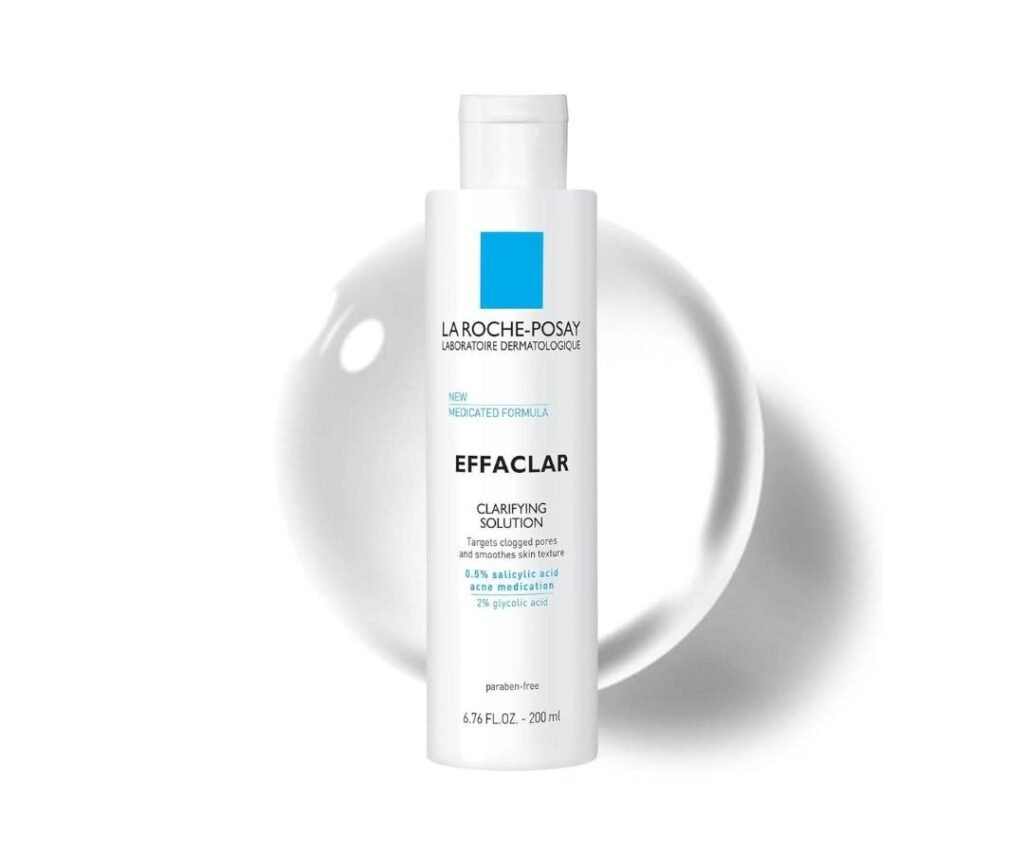
Effaclar’s Clarifying Solution is the pharmacy medicated toner: a dual acid formula with 0.5 percent salicylic acid for the pore and glycolic acid for the surface, positioned by La Roche-Posay as a daily treatment toner for acne prone skin. The dual acid logic is its strength: many acne prone faces have both problems at once, oil and debris inside pores and a rough, mark prone surface, and this addresses both in one cotton pad step at strengths judged for regular use rather than occasional intensive treatment. It is the toner most naturally paired with the wider Effaclar routine, and its medicated positioning means it is sold alongside acne treatments rather than beauty toners, which sets correct expectations. The formula does contain alcohol and a light fragrance, the classic pharmacy toner trade off, so dry and very sensitive acne prone skin may find it too brisk with daily use, and it should not be stacked carelessly with other strong actives. Used once daily on congested zones it keeps pores clearer and texture smoother with minimal fuss. For readers who trust the pharmacy route and want a single daily acid toner with both acid families covered, this is the straightforward, well distributed choice, available in most pharmacies and large retailers.
Specifications
200 ml bottle
0.5% salicylic acid plus glycolic acid
medicated toner for acne prone skin
Pros
Salicylic and glycolic acids cover pores and surface together
Daily use strengths for a simple one step routine
Widely available pharmacy product
Cons
Contains alcohol and light fragrance
Too brisk for dry or very sensitive skin daily
Care needed stacking with other strong actives
Who should buyyou want one pharmacy toner with both acid families for daily use
Who should skipyour skin is dry or alcohol sensitive, where the COSRX or Thayers picks are kinder
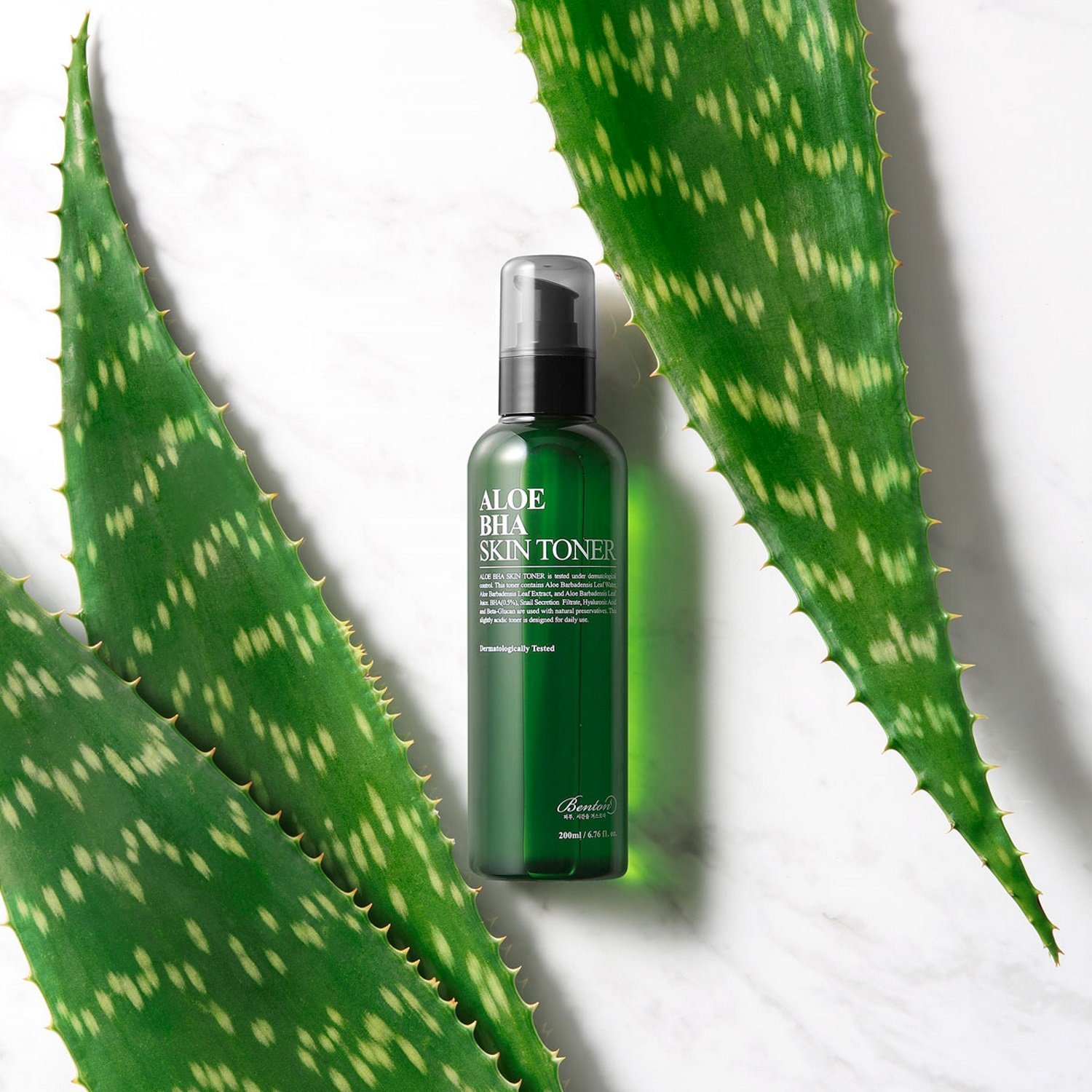
Benton’s Aloe BHA Skin Toner is the soothing treatment hybrid: a toner whose base is aloe leaf water rather than plain water, carrying a gentle 0.5 percent salicylic acid with snail secretion filtrate and hyaluronic acid. That composition tells you its reader: acne prone skin that is also dehydrated, irritated or barrier stressed, the common result of over treating acne, which needs pore care delivered inside a calming, hydrating vehicle. At 0.5 percent the salicylic acid works slowly, keeping pores from re clogging and gently smoothing texture with daily use rather than delivering a treatment hit, and the aloe and snail components actively work against the redness and tightness acne routines cause. The texture is a light essence water with a little body, applied by palms, and the pump bottle is hygienic. Benton formulates to a clean, low irritant philosophy that sensitive skin readers seek out. The trade off is pace: established blackheads and active congestion need stronger medicine, and this toner is a maintainer and preventer more than a fixer. It also layers so much hydration that oily skin in humid weather may find it enough as a light moisturiser step too. For the over treated, sensitive, acne prone face, it is the most thoughtful formula in this guide.
Specifications
200 ml pump bottle
0.5% salicylic acid
aloe leaf water base
snail secretion filtrate
Pros
Gentle 0.5% BHA inside a soothing aloe base
Hydrates and calms while it maintains pores
Clean low irritant formulation philosophy
Cons
Slow on established blackheads
Maintainer rather than a treatment fix
Aloe base may be rich for very oily skin in humidity
Who should buyyour acne prone skin is dehydrated and over treated and needs gentle daily pore care
Who should skipyou need fast, strong congestion clearing
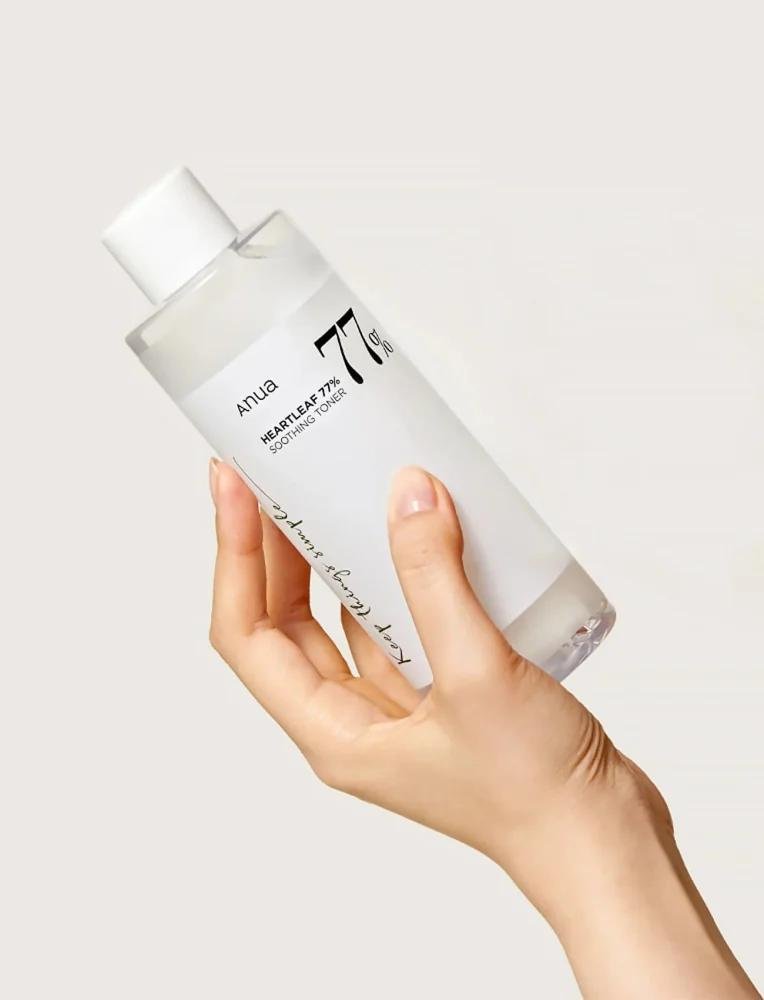
Anua’s Heartleaf 77 Toner is the calming phenomenon of recent K-beauty: a water toner built on 77 percent houttuynia cordata, heartleaf, extract, an ingredient Korean skincare uses for red, reactive, breakout prone skin. Its role in an acne routine is the opposite of the acid toners: it is the daily soothing and hydrating step that keeps the barrier calm so that treatments can be tolerated, and for the large group of acne prone readers whose skin is red and sensitive as much as it is clogged, that step is not optional filler but the thing that makes the whole routine sustainable. The texture is pure water, layered once or twice by palms or soaked onto cotton pads as a quick mask on flushed areas, and it is fragrance free with a short, gentle ingredient list. It contains no exfoliant, so it will not clear pores, and its evidence base is traditional use and user experience rather than clinical trials, which readers should know. The big 250 ml bottle makes liberal use affordable. Paired with a BHA two or three evenings a week, it forms the classic calm and treat rhythm. For red, reactive, acne prone skin that finds every treatment toner a provocation, Heartleaf 77 is the toner that finally fits.
Specifications
250 ml bottle
77% houttuynia cordata heartleaf extract
calming water toner
fragrance free
Pros
77% heartleaf calms red reactive acne prone skin
Fragrance free water texture layers freely
Large bottle suits liberal daily use
Cons
No exfoliant, does not clear pores
Evidence is traditional use, not trials
Pure water texture too light for dry skin alone
Who should buyyour acne prone skin is red and reactive and needs a calming daily toner
Who should skipyou want a toner that actively unclogs pores
Mario Badescu’s Glycolic Acid Toner is the old school resurfacing toner: a glycolic acid formula with grapefruit extract and aloe that has been a staple of the brand’s acne and congestion routines for decades. Glycolic acid works on the surface, dissolving the dead cell layer that dulls skin and contributes to clogged looking pores, and this toner is aimed at the acne prone reader whose skin looks rough, congested and mark covered rather than deeply blackheaded. It has a traditional toner feel, applied with a cotton pad, and a mild tingle that experienced acid users recognise. The brand positions it for combination and dry leaning congested skin, which is a useful distinction: its resurfacing is balanced by aloe, and it lacks the oil focused aggression of BHA products. The compromises are its era: the glycolic percentage is not disclosed, which modern ingredient readers dislike, it contains fragrance style botanical extracts, and like all glycolic products it increases sun sensitivity and should not be layered thoughtlessly with retinoids. Pricing is mid range for a large bottle. For readers who like the classic spa brand approach and whose acne problem is surface texture and lingering marks, it remains a satisfying, effective toner with a long track record.
Specifications
236 ml bottle
glycolic acid
grapefruit and aloe extracts
classic resurfacing toner
Pros
Glycolic resurfacing for rough, mark prone skin
Aloe balances the acid for combination skin
Large bottle, long track record
Cons
Glycolic percentage not disclosed
Surface action only, not for deep blackheads
Sun sensitivity, care with retinoid layering
Who should buyyour acne prone skin is rough and mark covered and you like classic spa formulas
Who should skipyou want disclosed percentages and pore penetrating BHA action
Neutrogena’s Pore Refining Toner is the drugstore dual acid option: a long running formula combining glycolic acid for surface refinement, salicylic acid for the pores and witch hazel for the astringent, tightened feel its name promises. Its appeal is accessibility and completeness at a low price: one inexpensive bottle from any pharmacy covers both acid families and delivers the visibly smoother, less shiny T-zone its loyal users buy it for, with pores that look smaller because they are cleaner and the surrounding skin is exfoliated, which is the honest mechanism behind all pore refining claims. The formula is of the traditional school, which means it contains alcohol and fragrance, and that briskness is exactly why it suits resilient oily and combination acne prone skin and not the sensitive reader. It is best used once daily or on alternate days on congested zones rather than as an all over twice daily habit. Next to the pharmacy premium of Effaclar or the disclosed strengths of Paula’s Choice, it offers less refinement and less transparency, but at its price the performance per pound is hard to argue with. For a budget reader with resilient oily skin who wants both acids in one step, it does the job it has done for years.
Specifications
250 ml bottle
glycolic and salicylic acid blend
witch hazel
drugstore toner
Pros
Both glycolic and salicylic acids at a drugstore price
Witch hazel gives an immediately tighter, matte feel
Available in every pharmacy
Cons
Contains alcohol and fragrance
Percentages not disclosed
Too brisk for sensitive or dry acne prone skin
Who should buyyou want both acids in one inexpensive pharmacy toner and your skin is resilient
Who should skipyour skin is sensitive, where alcohol based toners will set your routine back
A face toner today is a watery step after cleansing that hydrates, soothes or gently exfoliates, a long way from the harsh alcohol astringents the name still suggests to some people. Whether you need one depends entirely on which of those jobs your routine is missing.
Hydrating toners carry glycerin, panthenol and hyaluronic acid and suit dry or dehydrated skin. Exfoliating toners carry AHAs or BHAs and are an acid step, to be counted as such in the routine. Soothing toners use centella and similar calmants. The pH balancing claim is largely historical, since modern cleansers are formulated near skin pH. Application is by palms or a pad; pads add a gentle physical exfoliation and use more product.
How to Choose: the Criteria That Matter
Choosing skincare well means buying for the skin you have, in the order it needs help. Start with the concern, not the product shelf: breakouts, marks, dryness, redness and lines each have a short list of ingredients with real evidence behind them, and the guide’s topic section names the ones that matter here. Then check your current routine for conflicts before adding anything. Most failed purchases are good products bought for the wrong concern, or two strong actives introduced in the same week so that irritation gets credited to both.
Active ingredient and its stated strength, since a named active without a percentage tells you very little
A percentage on the label lets you compare like with like: a 10 percent azelaic acid and a 2 percent salicylic acid are honest products, while a serum that names an active without a strength is asking you to trust the marketing instead.
Formula type for your skin: gel for oily skin, cream for dry skin, emulsion for combination skin
The same active in a gel, a cream and an oil behaves like three different products. Gel and water based formulas suit oily and combination skin; creams and emulsions carry dry skin through the day; oils are finishing steps, not treatments.
What the formula leaves out: fragrance, drying alcohol and common irritants if your skin is reactive
What is left out decides tolerance. Fragrance, essential oils and drying alcohol are the three most common reasons a well reviewed product stings, flushes or breaks someone out, and sensitive skin should read for their absence first.
How it layers with the rest of your routine, including retinoids, vitamin C and sunscreen
A product that pills under sunscreen or fights your retinoid will not survive in a real routine. Think in pairs: water based before oil based, thinnest to thickest, and actives split across morning and night when they compete.
Packaging that protects the formula, such as airless pumps and opaque bottles for light sensitive actives
Actives degrade in light and air. Vitamin C, retinoids and many antioxidants keep their strength in opaque, airless packaging, and a clear dropper bottle on a sunny shelf is quietly expiring.
Also Considered
These products were researched for this guide and left off the picks list for the reasons given. They are not poor products; they simply fit the exact question of this guide less well.
Pixi Glow Tonic
The famous 5 percent glycolic toner, researched for this guide. It was left off because its glycolic role is covered by The Ordinary’s 7 percent toner at a far lower cost per millilitre, and Glow Tonic’s fragrance and gentler strength suit general glow better than acne prone routines.
Dickinson’s Original Witch Hazel Toner
Researched as the budget witch hazel staple. It was left off because it contains alcohol, and the Thayers pick delivers the same traditional witch hazel role in an alcohol free formula that acne prone, treatment stressed skin tolerates better.
COSRX AHA/BHA Clarifying Treatment Toner
A gentle daily spray toner researched closely. It was left off because its acid levels are very low, closer to a pH adjusting mist than a treatment toner, and the Some By Mi pick covers the gentle daily multi acid role with more substance.
How to Use What You Buy
Start with clean, dry or slightly damp skin as the product type directs
Apply the amount stated on the product, usually a pea sized amount or two finger lengths for sunscreen
Introduce one new active at a time and give it at least two weeks before judging
Use the product at the time of day it is designed for, and always finish morning routines with sunscreen
Note any stinging, breakouts or dryness in the first week and adjust frequency before giving up
Fit decides whether a good product works. Skincare actives need a stable base routine around them: a gentle cleanser, a moisturiser your skin likes, and sunscreen every morning. Add the new product to that base one at a time, at the frequency the category supports, and keep everything else unchanged for the first month. That discipline is what turns a purchase into a result you can actually attribute.
Apply to damp skin after cleansing, before serums, once or twice daily for hydrating types, and as directed for acid toners, which follow acid frequency rules. If your serum already does the toner’s job, the honest routine skips it.
Who Should Buy, and Who Should Skip
Buy if your need matches this guide exactly: you are looking for options for acne prone skin, you have checked the criteria above against your current routine, and you are willing to introduce the product gradually and judge it over the period the category needs.
Skip if your concern is different from the one in the title, your skin or hair is currently irritated or damaged and needs recovery first, or a clinician has advised you on this concern, in which case their advice comes before any buying guide.
Common Mistakes in Face Toner
Starting three new actives in the same week, which makes reactions impossible to trace
Using more product than directed, which increases irritation without improving results
Skipping sunscreen while using brightening or exfoliating products, which undoes their work
Expecting visible change in days when most skincare actives need weeks of consistent use
Using an exfoliating toner daily without counting it as an acid, then wondering why the barrier is stressed
Soaking pads and swiping aggressively, turning a gentle step into daily friction
Frequently Asked Questions
How do I choose the right face toner?
Start with the criteria in this guide: match the formula or specification to your skin type and the exact concern in the title, check the published ingredient or specification list, and pick the option whose downsides do not overlap with your problem. The type decision comes first: most disappointment in face toner is a good product bought in the wrong type.
How long before I see results from a face toner product?
It depends on the category, but most skincare products need consistent use over several weeks before a fair judgement. Devices and treatments state their expected course in the manual or on the packaging, and that timeline is the one to follow. Judge on the category’s clock, not on the first week.
What should I avoid when buying for acne prone skin?
Avoid buying on claims alone: skip options with no published ingredient or specification list, strengths far beyond what your routine needs, and any product whose stated downsides match the exact issue you are trying to fix. Also avoid changing two other parts of your routine in the same week, which makes the new product impossible to judge.
Is the most expensive option always the best?
No. In face toner, price often reflects branding, packaging and extras rather than the core ingredient or specification doing the work. The criteria in this guide matter more than the price band, and mid priced options with the right specification beat premium options with the wrong one.
What is the most common mistake with face toner?
Using an exfoliating toner daily without counting it as an acid, then wondering why the barrier is stressed A close second: soaking pads and swiping aggressively, turning a gentle step into daily friction
How does face toner fit into a daily routine?
Apply to damp skin after cleansing, before serums, once or twice daily for hydrating types, and as directed for acid toners, which follow acid frequency rules. If your serum already does the toner’s job, the honest routine skips it. Fit decides whether a good product works.
What Is the Difference Between Face Toner and Face Mist?
The companion how-to guide, What Is the Difference Between Face Toner and Face Mist, covers this in full: the step by step method, the right amounts and frequency for your type, and the mistakes that stop it working. It is linked from the routine sections of this page, and it is the right next read once you have chosen a product.
By Mirror & Glow Editorial Desk – November 23, 2026
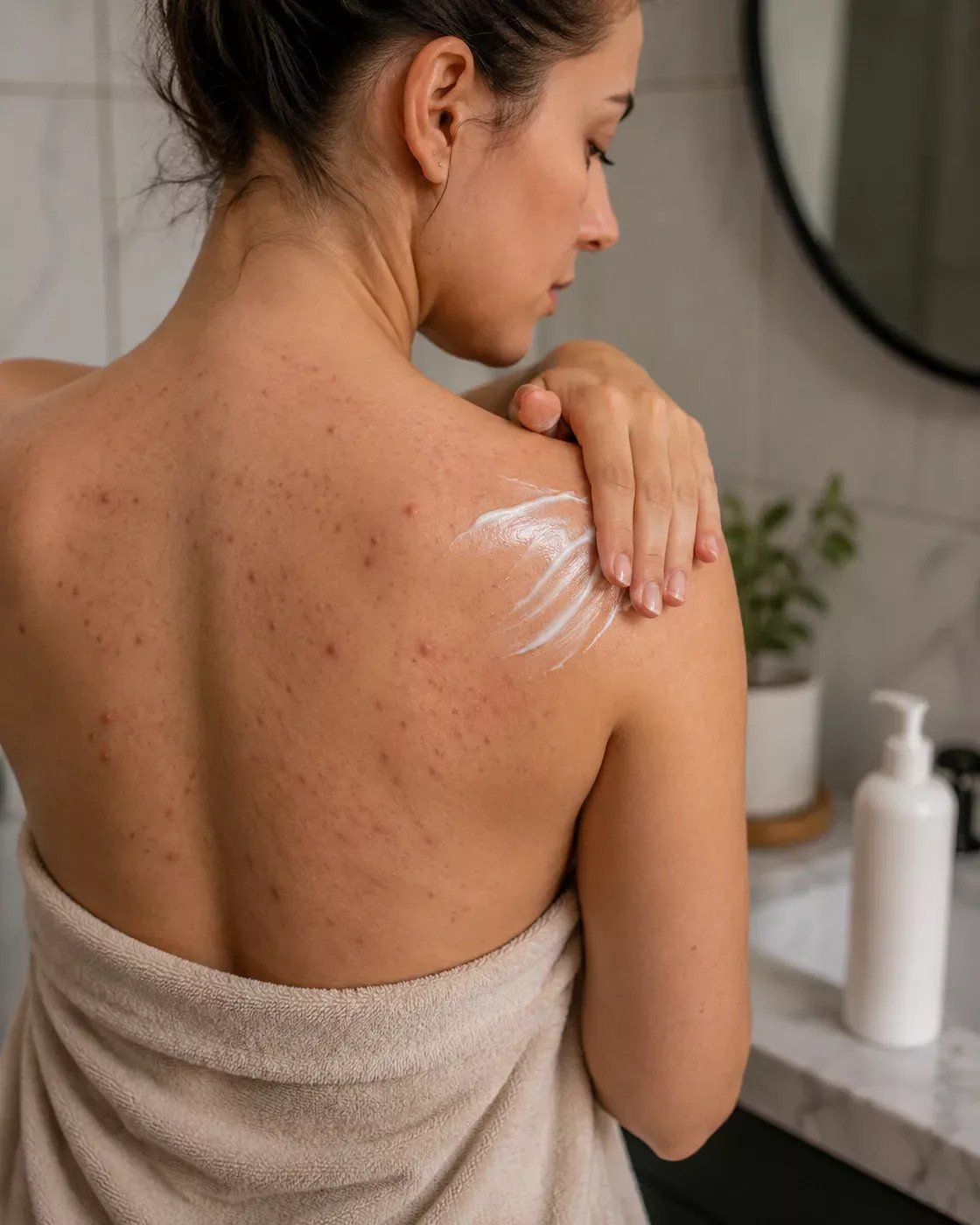
How to Get Rid of Acne Scars on Back? The short answer first, then the detail: one active at a time, introduced over two weeks, judged at eight to twelve weeks, with timing, amounts and the errors that stop it working.
By Mirror & Glow Editorial Desk – November 23, 2026
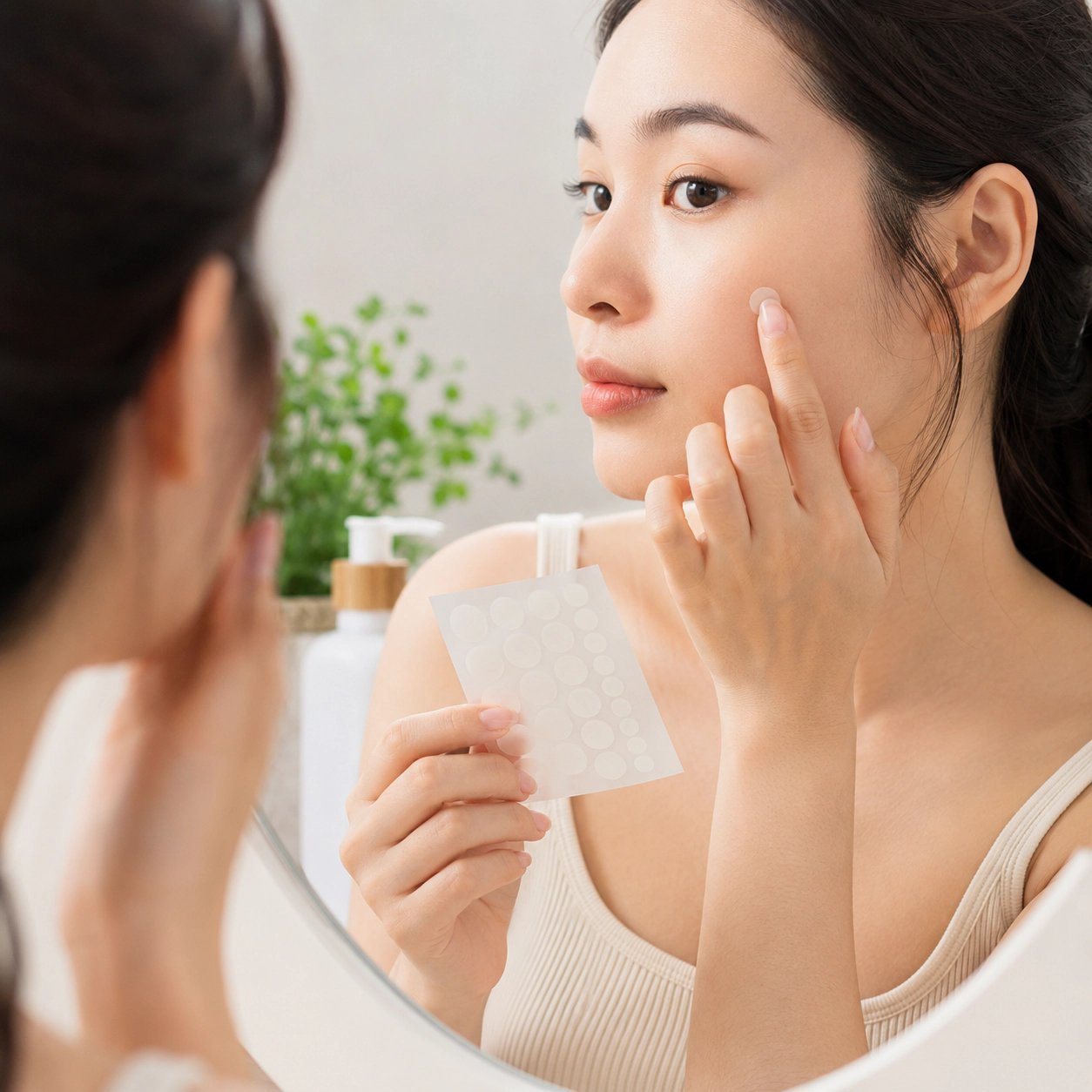
Hydrocolloid is a wound dressing material: it draws out fluid and turns white as it works. This guide applies that to how often to use pimple patches on a single spot: the method, the timing, and the traps to avoid.