What Is the Difference Between Face Toner and Face Mist
By Mirror & Glow Editorial Desk – November 23, 2026
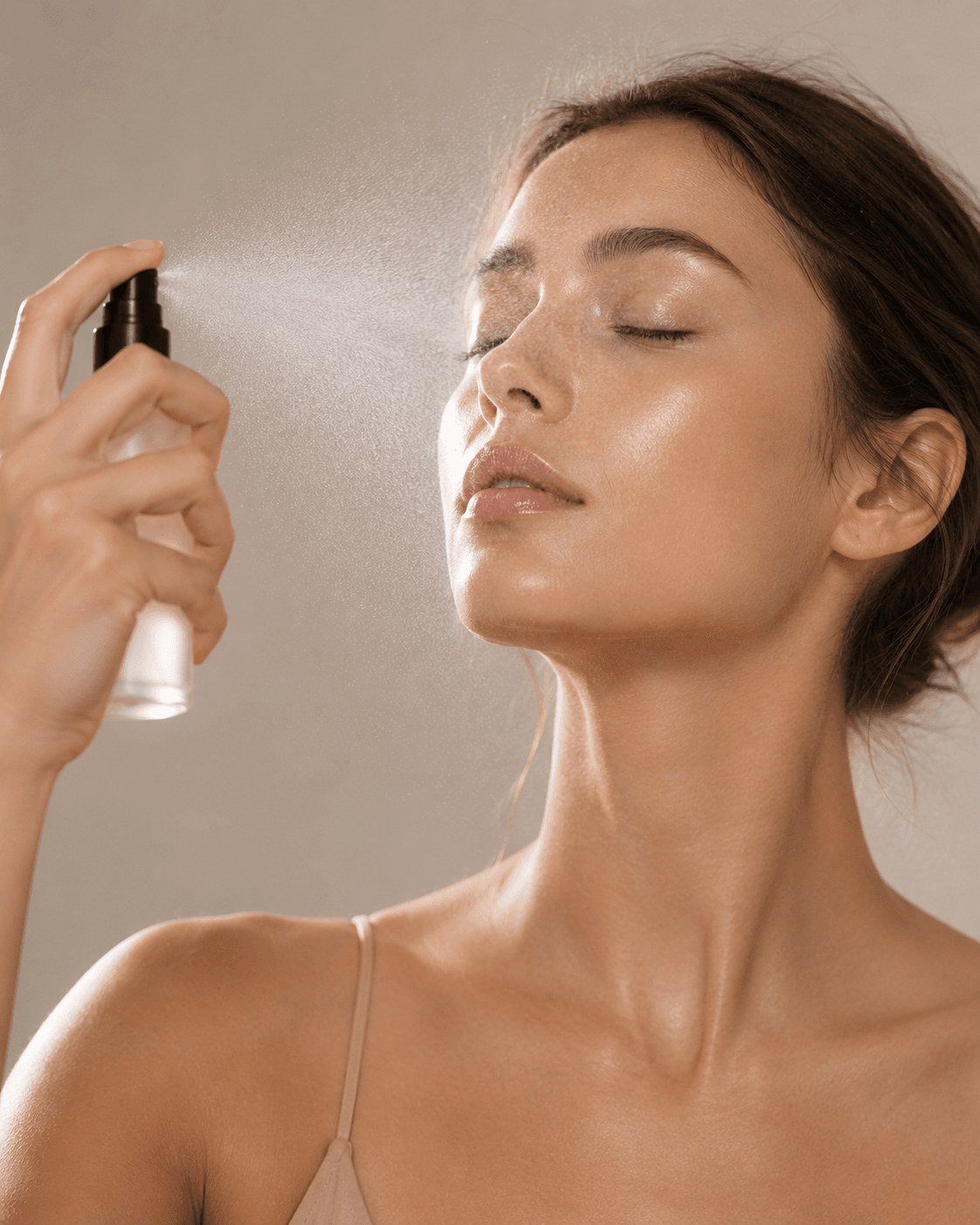
Woman misting her face with a spray, eyes closed.
The direct answer to what is the difference between face toner and face mist is explained in full below, because questions like this rarely have a one word answer that is safe for everyone. The short version: it depends on your skin or hair type, the specific products involved, and how consistently you use them. The sections below break the answer down so you can apply it to your own routine.
Face Toner Explained
Hydrating toners carry glycerin, panthenol and hyaluronic acid and suit dry or dehydrated skin. Exfoliating toners carry AHAs or BHAs and are an acid step, to be counted as such in the routine. Soothing toners use centella and similar calmants. The pH balancing claim is largely historical, since modern cleansers are formulated near skin pH. Application is by palms or a pad; pads add a gentle physical exfoliation and use more product.
Who It Suits, and Who Should Skip It
A face toner today is a watery step after cleansing that hydrates, soothes or gently exfoliates, a long way from the harsh alcohol astringents the name still suggests to some people. Whether you need one depends entirely on which of those jobs your routine is missing.
The pattern to recognise is that most skincare questions have a type based answer: the product, method or ingredient that suits one skin or hair type is mediocre for another, which is why the sections of this guide keep returning to type. If your type is reactive, recently treated, or under a clinician’s care for this concern, the cautious version of any advice here applies, and professional guidance outranks a guide.
Step by Step: Face Toner
The method below is the standard technique for this category, in the order that makes each step work. Adapt the amounts to your own skin or hair, and keep the order. If you still need the product itself, the buying guide Best Face Toner for Acne Prone Skin compares the current options for this exact need.
Start with clean, dry or slightly damp skin as the product type directs
Apply the amount stated on the product, usually a pea sized amount or two finger lengths for sunscreen
Introduce one new active at a time and give it at least two weeks before judging
Use the product at the time of day it is designed for, and always finish morning routines with sunscreen
Note any stinging, breakouts or dryness in the first week and adjust frequency before giving up
Getting Face Toner Right in Your Routine
Fit matters more than intensity with face toner. Build the habit at the gentlest effective level first: the right product amount, the right frequency for your type, and one change at a time so you can see what is actually helping. Keep the rest of your skincare routine stable while you judge the change, and give the routine the full period the product guidance describes before deciding it does not work.
Keep notes for the first two weeks: what you used, how much, and how your skin or hair felt the next day. That simple record answers most follow up questions, including whether a reaction came from the new step or from something layered with it.
Apply to damp skin after cleansing, before serums, once or twice daily for hydrating types, and as directed for acid toners, which follow acid frequency rules. If your serum already does the toner’s job, the honest routine skips it.
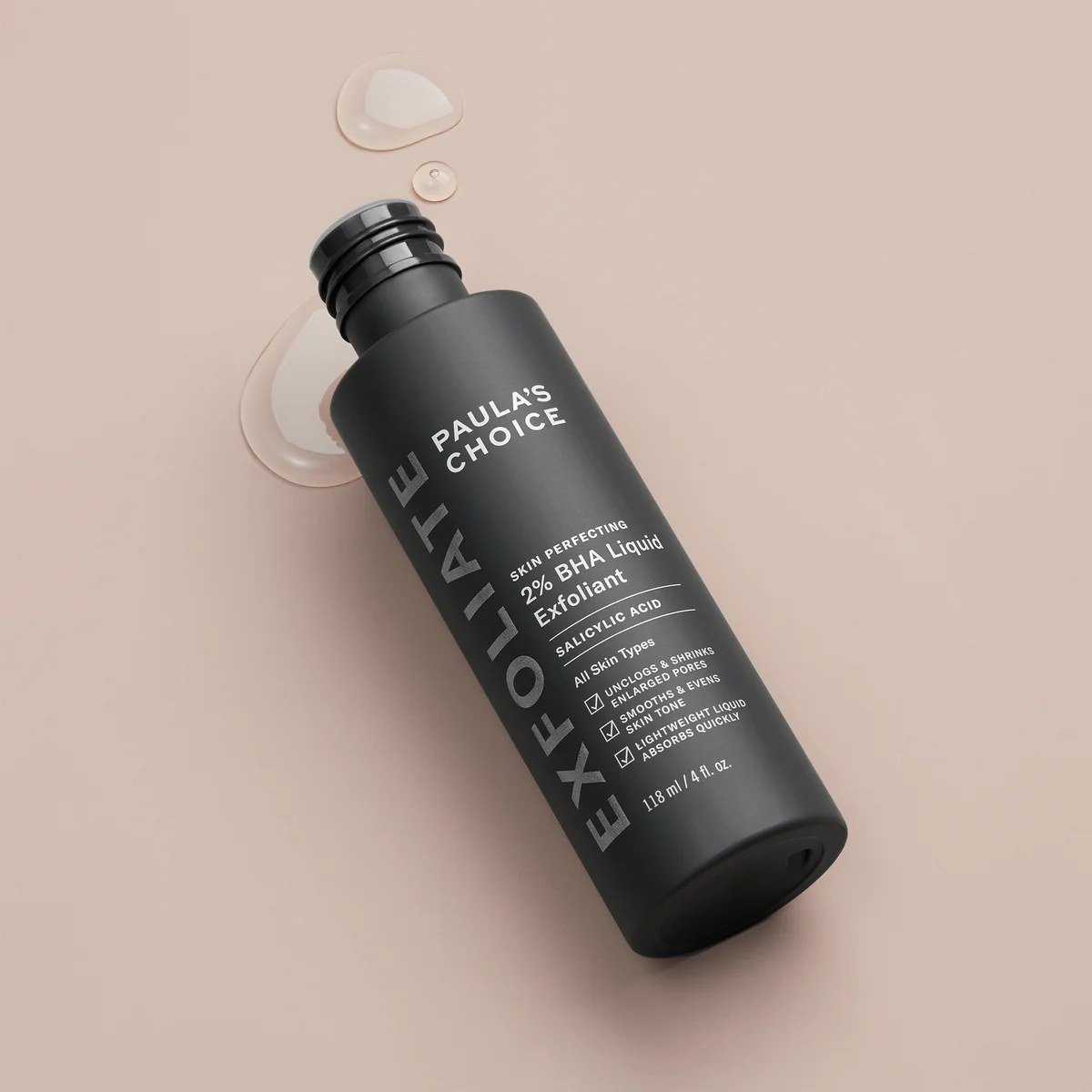
Every tool in this guide treats the blackheads you have; this liquid is how you stop needing them. Paula’s Choice 2% BHA is the benchmark salicylic acid exfoliant, and salicylic acid is the one ingredient that dissolves the oil and dead skin mixture inside the pore, which is why dermatology guidance reaches for it for nose and chin congestion specifically. Applied with a cotton pad or palms over the nose and chin two to three evenings a week, it loosens plugs so they extract easily or clear on their own, and it visibly reduces the sebaceous filaments that vacuums and loops get blamed for not removing permanently. The formula is fragrance free, the pH is in the effective range, and the bottle lasts months at this zone only usage. The trade offs are patience and discipline: results build over four to eight weeks, daily use from day one invites flaking, and sunscreen matters because exfoliated skin is sun sensitive skin. As the chemical half of a nose and chin routine, nothing here outranks it. It pairs with every other pick in this guide rather than competing with them: a fortnight of BHA before a manual extraction session makes the loop’s work noticeably gentler, and continued use afterwards is what stops the same plugs reforming in the same places. Buyers with a whole face to treat rather than a zone can step up to the larger bottle, but for nose and chin work the standard size is the economical one, since a few drops cover the whole territory.
Specifications
118 ml bottle
2% salicylic acid
leave on liquid exfoliant toner step
fragrance free
Pros
Dissolves the plug mixture inside the pore
The benchmark 2% BHA formula, fragrance free
Months of zone only use per bottle
Cons
Results build over four to eight weeks
Overuse causes flaking
Demands sunscreen discipline
Who should buyyou want to prevent blackheads, not just remove them
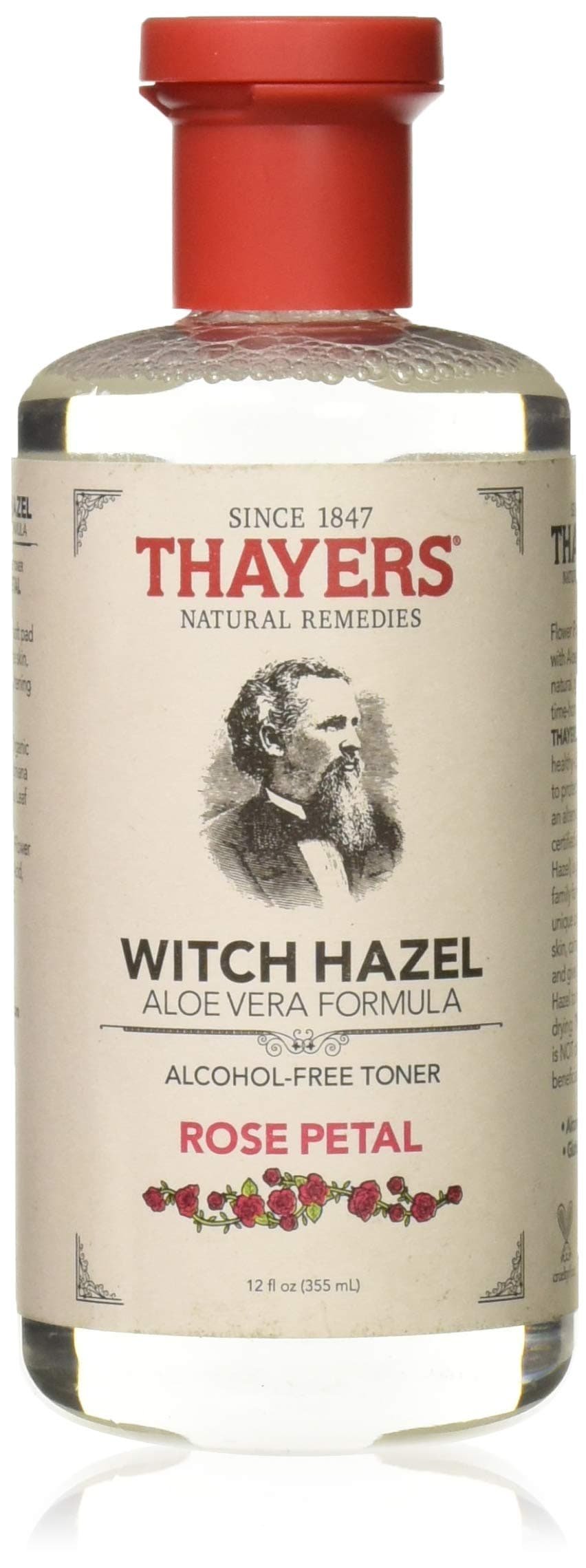
Thayers is the traditional toner in this guide, and it is included for the acne prone readers whom acids do not suit: an alcohol free witch hazel toner with aloe vera and rose water, made to remove the last traces of cleanser, lightly tighten the feel of pores and calm the skin without any exfoliation at all. Witch hazel is a gentle astringent, and in this alcohol free form it gives oily and combination skin that clean, balanced feeling without the stripping that gave old toners a bad name. For acne prone skin its honest role is supportive: it will not unclog pores or treat breakouts, but for skin made reactive by prescription acne treatments, or for teenagers whose skin needs cleansing support rather than actives, it is a safe daily habit that keeps the routine pleasant and consistent. The rose scent is natural to the formula and most users enjoy it, though it rules the product out for the strictly fragrance free. The big bottle is inexpensive and lasts for months of cotton pad use. Its limits are simply the absence of treatment power, and anyone buying it to fix blackheads will be disappointed. Bought for what it is, a gentle, alcohol free daily toner that acne prone skin tolerates when it tolerates little else, it fully earns its long popularity.
Specifications
355 ml bottle
witch hazel and aloe vera
rose water
alcohol free
no exfoliating acids
Pros
Alcohol free and acid free, suits reactive acne prone skin
Gentle astringent clean without stripping
Large inexpensive bottle
Cons
No exfoliation, will not unclog pores
Rose scent not for the fragrance free reader
Supportive role only, not a treatment
Who should buyyour acne prone skin is reactive or on prescription treatment and cannot take acids
Who should skipyou need active pore clearing, where the BHA picks do the real work
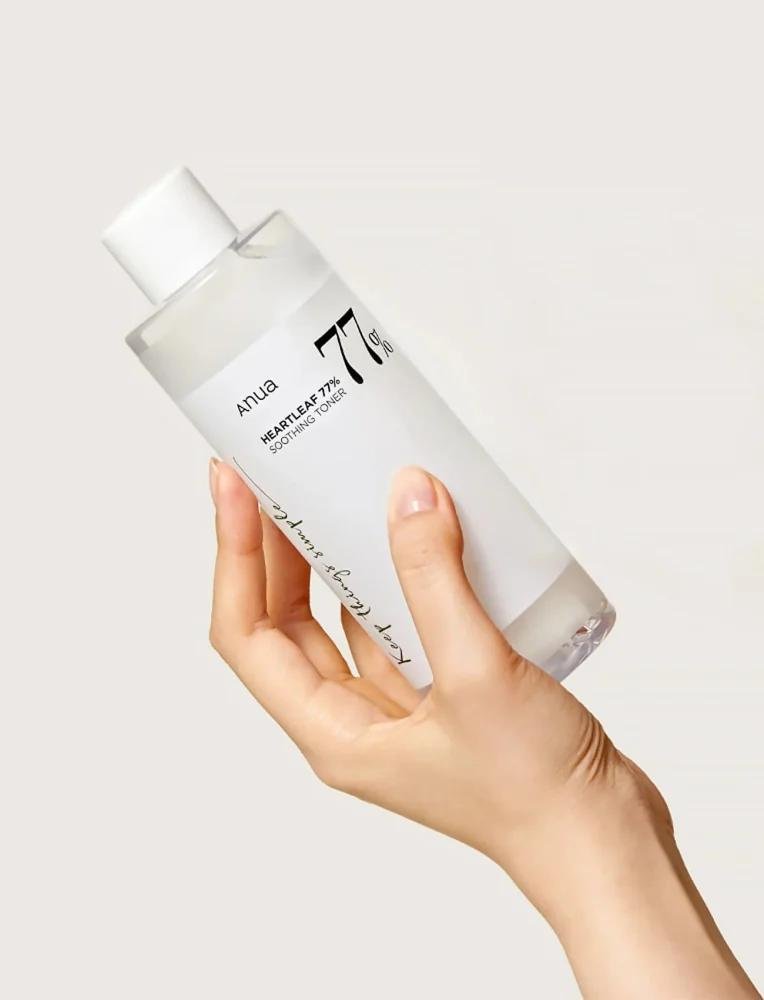
Anua’s Heartleaf 77 Toner is the calming phenomenon of recent K-beauty: a water toner built on 77 percent houttuynia cordata, heartleaf, extract, an ingredient Korean skincare uses for red, reactive, breakout prone skin. Its role in an acne routine is the opposite of the acid toners: it is the daily soothing and hydrating step that keeps the barrier calm so that treatments can be tolerated, and for the large group of acne prone readers whose skin is red and sensitive as much as it is clogged, that step is not optional filler but the thing that makes the whole routine sustainable. The texture is pure water, layered once or twice by palms or soaked onto cotton pads as a quick mask on flushed areas, and it is fragrance free with a short, gentle ingredient list. It contains no exfoliant, so it will not clear pores, and its evidence base is traditional use and user experience rather than clinical trials, which readers should know. The big 250 ml bottle makes liberal use affordable. Paired with a BHA two or three evenings a week, it forms the classic calm and treat rhythm. For red, reactive, acne prone skin that finds every treatment toner a provocation, Heartleaf 77 is the toner that finally fits.
Specifications
250 ml bottle
77% houttuynia cordata heartleaf extract
calming water toner
fragrance free
Pros
77% heartleaf calms red reactive acne prone skin
Fragrance free water texture layers freely
Large bottle suits liberal daily use
Cons
No exfoliant, does not clear pores
Evidence is traditional use, not trials
Pure water texture too light for dry skin alone
Who should buyyour acne prone skin is red and reactive and needs a calming daily toner
Who should skipyou want a toner that actively unclogs pores
Starting three new actives in the same week, which makes reactions impossible to trace
Using more product than directed, which increases irritation without improving results
Skipping sunscreen while using brightening or exfoliating products, which undoes their work
Expecting visible change in days when most skincare actives need weeks of consistent use
Using an exfoliating toner daily without counting it as an acid, then wondering why the barrier is stressed
Soaking pads and swiping aggressively, turning a gentle step into daily friction
When to See a Professional
See a dermatologist or qualified professional if the concern is painful, spreading, bleeding, not improving after a consistent routine of several weeks, or if it appeared suddenly and severely. Nail changes such as thickening, colour change with pain, or separation from the nail bed also deserve professional assessment rather than cosmetic treatment. Buying guides support everyday care; they do not diagnose or treat medical conditions.
What Is the Difference Between Face Toner and Face Mist – what is the most important thing to get right?
Consistency at the right level for your type. With face toner, the correct amount and frequency used steadily will outperform an intense routine used occasionally, and it avoids most of the irritation that makes people abandon the routine.
How long does it take to see a difference?
Most skincare routines show their direction within two to four weeks of consistent use, with fuller results over two to three months for concerns involving skin renewal or hair growth cycles. Judge on that timeline, not on single days.
What if my skin or hair reacts badly?
Stop the new step, return to your simplest routine until things settle, and reintroduce only one product at a time if you try again. Persistent pain, swelling or spreading irritation is a reason to seek professional advice rather than push through.
What is the biggest mistake people make with face toner?
Using an exfoliating toner daily without counting it as an acid, then wondering why the barrier is stressed A close second: soaking pads and swiping aggressively, turning a gentle step into daily friction
What should I check before starting with face toner?
Hydrating toners carry glycerin, panthenol and hyaluronic acid and suit dry or dehydrated skin. Beyond that, check the product’s own directions against your skin or hair type, start at the gentle end of any range, and change nothing else in your routine for the first two weeks so the result is readable.
What is the best face toner for acne prone skin?
The buying guide Best Face Toner for Acne Prone Skin compares the leading options for this exact need against the criteria that matter, with specifications, honest pros and cons, and a clear statement of who should skip each pick. It is linked from this page.
By Mirror & Glow Editorial Desk – November 23, 2026
Best Face Toner for Acne Prone Skin: Paula’s Choice Skin Perfecting 2% BHA Liquid Exfoliant first, COSRX BHA Blackhead Power Liquid close behind, every pick specced, photographed and given a buy or skip verdict.
By Mirror & Glow Editorial Desk – November 23, 2026
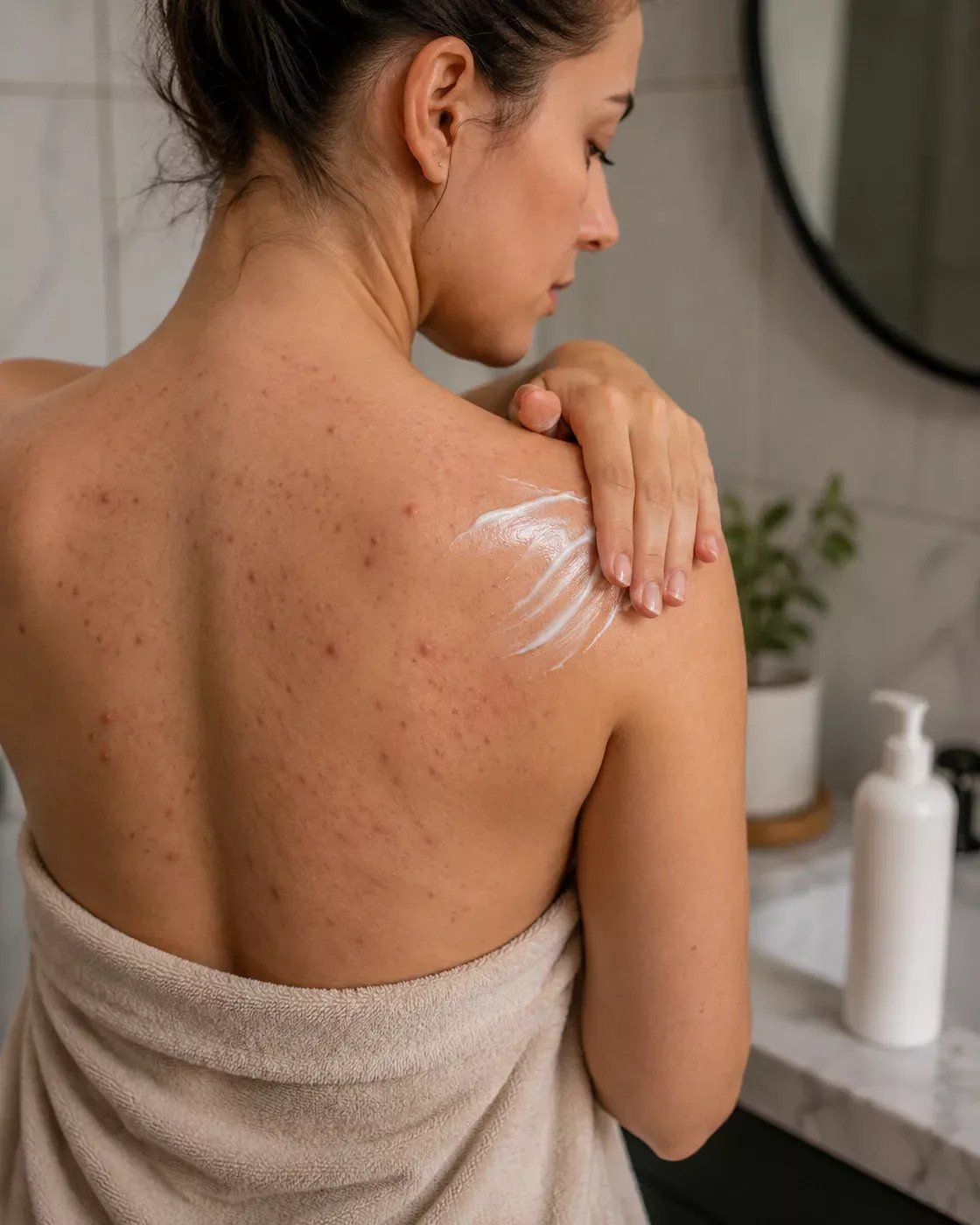
How to Get Rid of Acne Scars on Back? The short answer first, then the detail: one active at a time, introduced over two weeks, judged at eight to twelve weeks, with timing, amounts and the errors that stop it working.
By Mirror & Glow Editorial Desk – November 23, 2026
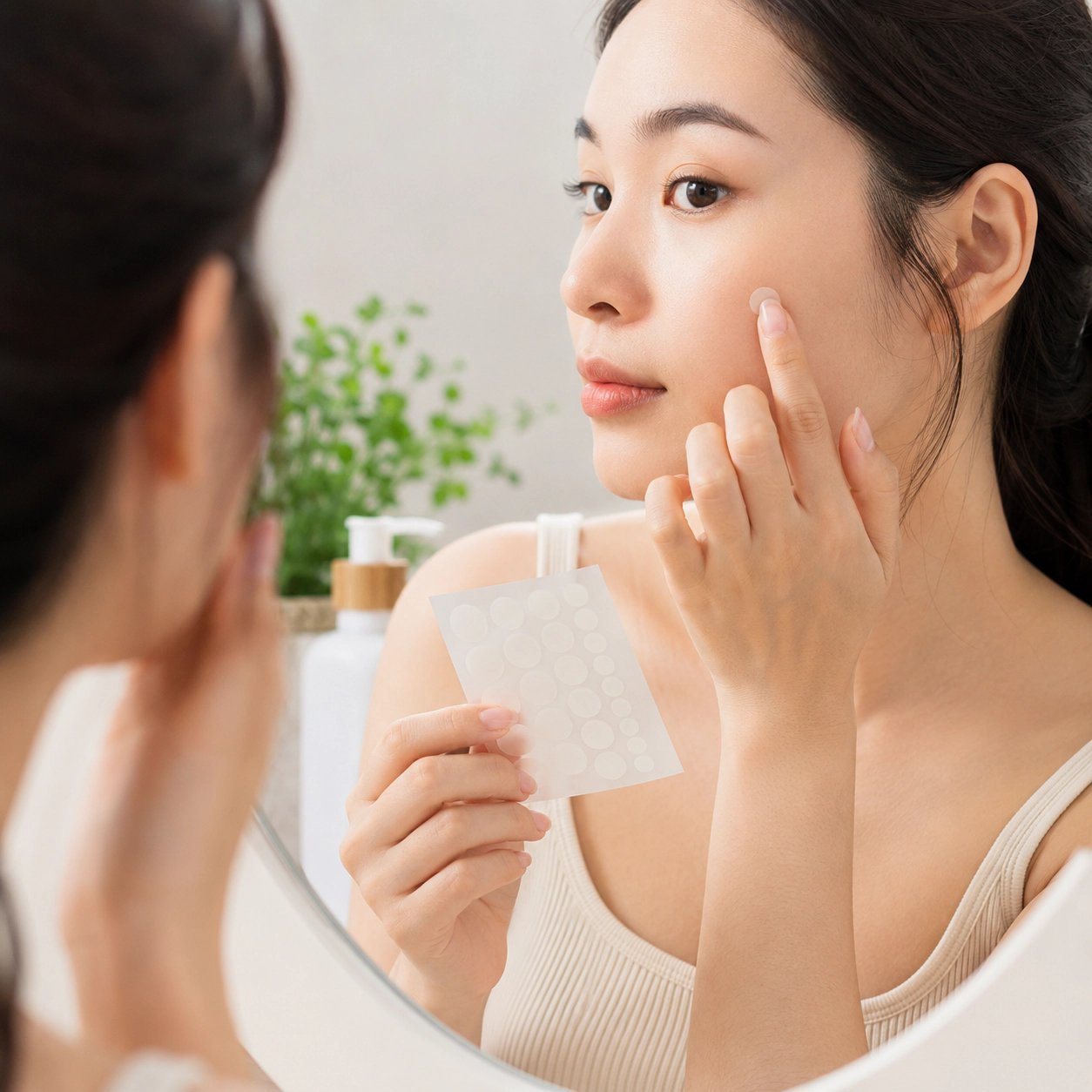
Hydrocolloid is a wound dressing material: it draws out fluid and turns white as it works. This guide applies that to how often to use pimple patches on a single spot: the method, the timing, and the traps to avoid.