By Mirror & Glow Editorial Desk – November 23, 2026
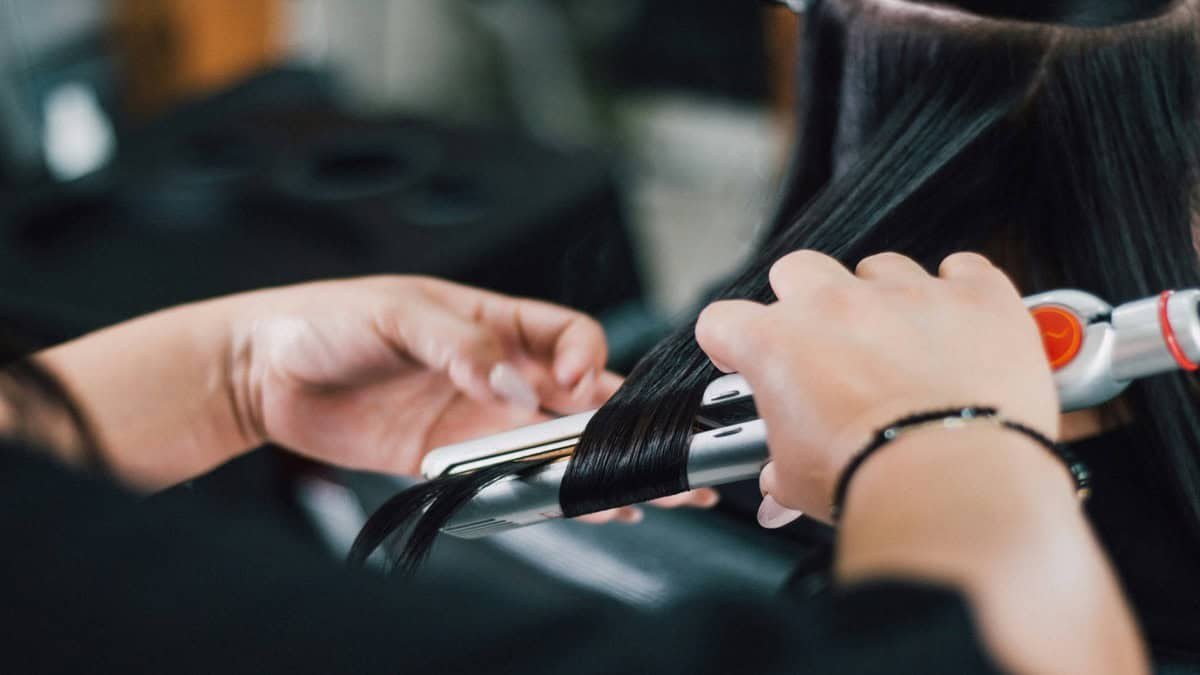
Woman gliding a flat iron down her very long straight hair at a vanity.
Affiliate disclosure: Mirror & Glow may earn a commission from qualifying purchases made through links on this page, at no extra cost to you. Full disclosure.
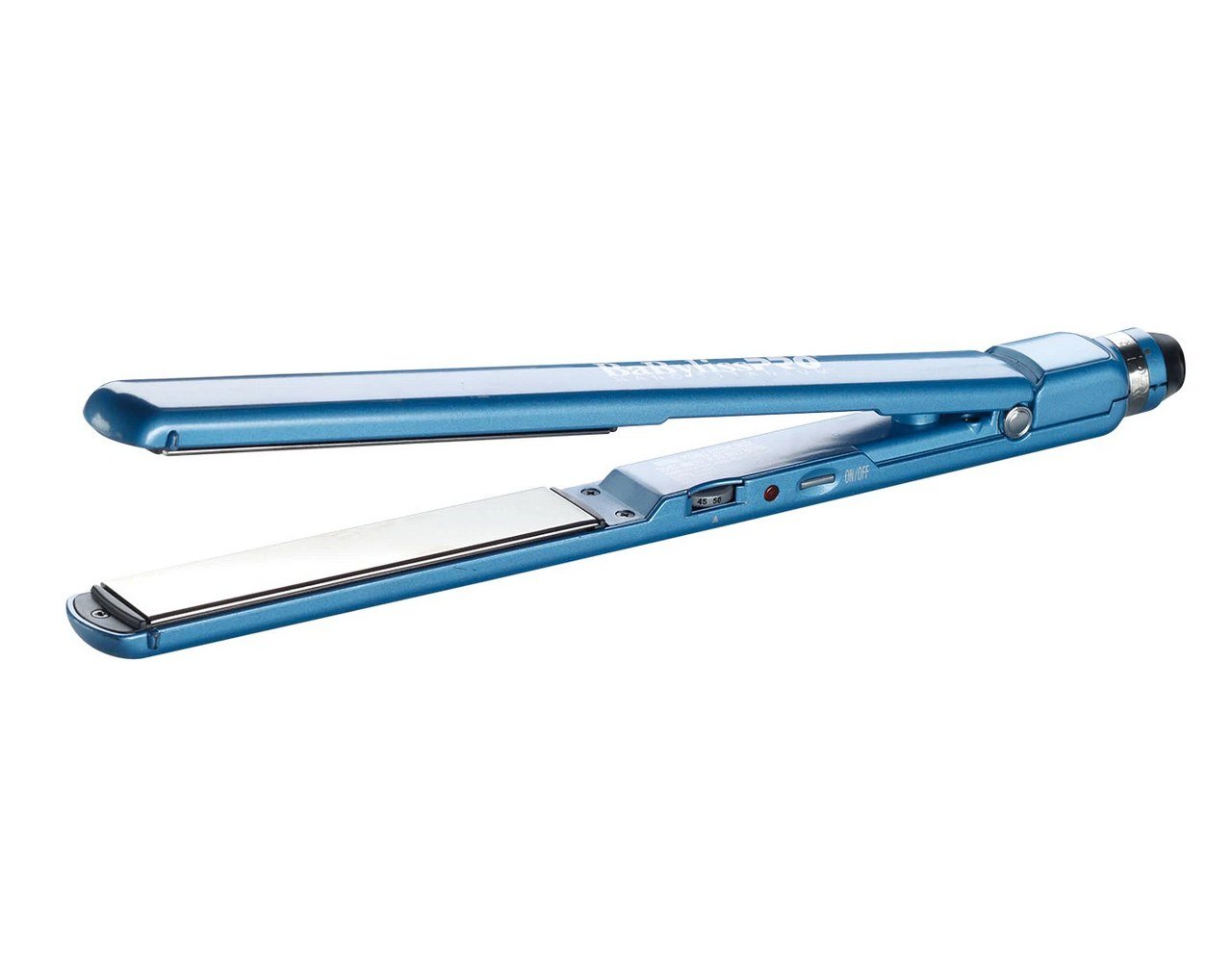
The verdict up front: start with BaBylissPRO Nano Titanium Ultra-Thin Straightener 1.5 inch, the strongest all round match in this line up for fine hair. Every pick is compared in the table below, then reviewed in full with its downsides as well as its strengths.
If you are looking for the best flat iron for fine hair, the right choice depends on fit, not hype. This guide is written for fine hair, and every criterion below is weighted for that need first. The short answer: choose the flat iron whose formula, format and strength match your hair, check the ingredient or specification list before the marketing claims, and avoid the options whose downsides match the problem you are trying to solve.
What matters most in flat iron is covered in depth below: what the product actually is, the types on sale and how they differ, the buying criteria explained one by one, how to use what you buy, and the mistakes that waste the most money in this category.
Curved plates straighten, curl and wave with one tool
1.25 inch nano titanium curved plates – 4 heat settings from 325 to 425 degrees F – floating plates for straightening, curling and waving – auto shut off
Temperature floor of 140 degrees serves the most fragile hair
Ceramic tourmaline plates – wide adjustable range from 140 to 450 degrees F – digital LCD control – worldwide dual voltage with glove and samples in the box
BaBylissPRO Nano Titanium Ultra-Thin Straightener 1.5 inch
The Ultra-Thin is the professional’s fine hair iron, and the reasoning is mechanical: its plates and housing are exceptionally slim, so the iron gets close to the root and works in small, controlled sections, which is exactly how fine hair should be straightened, with brief, precise passes at moderate heat rather than long slow ones at high heat. The nano titanium plates heat fast and evenly, and the wide temperature range can be dialled down into the 300s where fine hair belongs, whatever the 450 degree ceiling says about its other audiences. In practised hands it produces the glassy, sealed finish titanium is known for, in one pass per section. The compromises are the professional ones: titanium’s aggressive heat transfer punishes a careless dial setting on fine hair more than ceramic would; there is no digital readout on the classic model, so temperature is set by dial position and experience; and the slim plates cover less width, making very thick hair slow, though that is not this guide’s problem. For fine hair straightened by someone willing to set the heat thoughtfully, it is the most precise tool here. Its slim profile has one more fine hair use: it straightens fringes, edges and short sections with a precision wide irons cannot match, and many owners keep it as their detail iron alongside a wider everyday tool.
Specifications
Extra slim nano titanium plates
heat to 450 degrees F with wide adjustable range
slim housing for root access
salon length cord
Pros
Slim plates work close to the root in small sections
Fast, even titanium heat finishes sections in one pass
Wide range dials down to fine hair temperatures
Cons
Titanium punishes careless heat settings
No digital temperature readout
Slim plates are slow on thick hair
Who should buyyou straighten fine hair in careful sections and want salon precision
Who should skipyou want a digital display and forgiving ceramic heat
The StyleMax is the thinking reader’s fine hair iron: nine heat settings give fine gradations at the low end, and T3’s StyleMax technology automates the choice, customising heat to the hair type selected so fine hair is not subjected to a coarse hair default. The CeraGloss ceramic plates are the gentle heat source fine hair prefers, floating and curved so the iron glides without snagging and can add a bend at the ends instead of leaving them poker straight. In use it delivers the one pass promise its name makes at temperatures fine hair tolerates, which is the real damage equation: moderate heat, once, beats low heat dragged through four times. The compromises are price and automation trust: it is a premium iron, the auto mode will not suit readers who want total manual control, and the 1 inch plates are a standard size that very long, thick hair finds slow. For fine hair specifically, the combination of ceramic kindness, low end settings and genuine one pass performance makes it the most complete package in this guide. The StyleMax also stores its last used profile, so a fine hair reader is not resetting the iron at every session, and the plates’ gloss finish keeps product build up visible and easy to clean off.
Specifications
1 inch CeraGloss ceramic plates
9 heat settings
StyleMax auto heat customisation
curved floating plates
Pros
Nine settings plus auto customisation for hair type
Gentle ceramic plates that float and curve
True one pass results limit total heat exposure
Cons
Premium price
Auto mode will not suit control purists
Standard plates are slow on very thick hair
Who should buyyou want ceramic kindness with precise low heat for fine hair
Who should skipyou prefer full manual control at a lower price
The 10X Styling Iron’s signature is vibration: its ceramic plates vibrate gently as they glide, which Bio Ionic designed to spread the hair across the plate and break up the static cling that makes fine hair stick, drag and finish flyaway. For fine hair that mechanism addresses a real annoyance, because fine strands under a standard iron often emerge smooth but charged, floating apart within the hour; the 10X finish tends to sit together and stay polished. Heat runs to 450 degrees but the iron is stable and controllable at the lower settings fine hair uses, and the plates heat in seconds. The compromises: the vibration is a feature some users simply dislike the feel of, though it can be switched off on the iron, which rather raises the question of paying for it; the price is premium; and the brand’s moisture language should be read as finish quality, not treatment. Readers with fine, static prone hair that never looks finished after straightening are the precise audience, and for them this iron solves the actual problem. It is worth adding that the 10X heats to working temperature in well under a minute, which suits the quick, low exposure passes that fine hair straightening should be built around rather than long, slow ones.
Specifications
1 inch vibrating ceramic plates
heat to 450 degrees F
sonic vibrating plate technology
nano ionic mineral surface
Pros
Vibrating plates defeat the static that ruins fine hair finishes
Fast heat up with stable low settings
Polished finish that stays together
Cons
Vibration feel divides users, though it switches off
Premium price
Moisture claims describe finish, not treatment
Who should buyyour fine hair goes static and flyaway after straightening
Who should skipyou dislike vibration and want a plain, cheaper iron
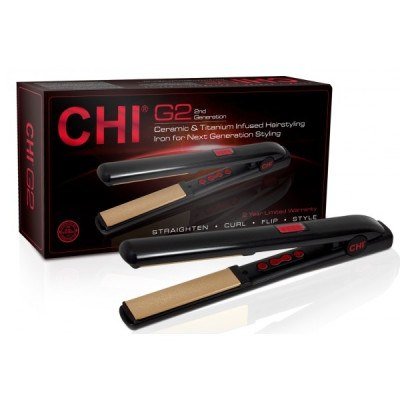
The G2 is CHI’s refinement of the iron that introduced ceramic straightening to most homes, updated with titanium infused ceramic plates and a digital display whose colour coded zones make the right setting for fine hair obvious at a glance, which is a genuinely useful safety design: the fine hair zone keeps the iron in the gentle range without memorising numbers. The plates heat rapidly and evenly, the 1 inch size suits fine hair’s smaller sections, and dual voltage makes it the travel ready member of the premium group. In use it gives the classic CHI result, smooth, shiny, sealed, with less of the drag older ceramic irons had. The compromises are modest: the price sits in the upper mid range; titanium infusion makes the plates a little less forgiving than pure ceramic at the top settings, though fine hair should never be there; and the design is conservative next to the T3. As an easy, legible, proven iron for fine hair, particularly for readers who share tools or teach a teenager, the colour coded control is worth real money. CHI’s support and availability are part of the value as well: the G2 is stocked by salons and major retailers, so it can be seen, handled and, if necessary, returned without the friction of an obscure online brand.
Specifications
1 inch titanium infused ceramic plates
digital display with colour coded temperature zones
rapid heat up
dual voltage
Pros
Colour coded zones make fine hair’s safe setting obvious
Fast, even titanium infused ceramic plates
Dual voltage for travel
Cons
Upper mid range price
Top settings are less forgiving than pure ceramic
Conservative design
Who should buyyou want a proven iron whose safe setting for fine hair is obvious at a glance
Who should skipyou want the widest possible temperature range for very fragile hair
The Platinum+ is the iron for fine hair readers who do not want to think about temperature at all: ghd’s ultra zone sensors monitor heat across the plates hundreds of times a second and hold 365 degrees F, the temperature ghd’s laboratories settled on as the styling optimum, adjusting power to the thickness of each section as it passes. For healthy fine hair that produces a remarkably consistent, glossy result with no setting mistakes possible, and the wishbone hinge keeps the floating plates aligned so fine strands are gripped evenly rather than snagged at one edge. The compromises are the fixed philosophy itself: fragile, bleached or very fine hair may need less than 365 degrees and this iron cannot give it; coarse hair may want more and cannot have it; and the price is the highest in this guide. It is also worth saying the single temperature is a considered engineering position, not a missing feature. For fine hair in good condition, straightened several times a week by someone who values consistency over control, the Platinum+ is close to foolproof. The Platinum+ also carries ghd’s strongest warranty and build in this guide, and its plates are contoured so the iron can add a flick or soft wave at the ends, giving fine hair movement instead of a flat, lank finish.
Specifications
Fixed 365 degrees F optimum temperature
ultra zone predictive technology
wishbone hinge floating plates
automatic sleep mode
Pros
Predictive sensors hold the optimum temperature section by section
Even plate alignment never snags fine strands
No setting mistakes are possible
Cons
Cannot go below 365 degrees for fragile hair
Highest price in this guide
One temperature will frustrate control seekers
Who should buyyour fine hair is healthy and you want total consistency with zero decisions
Who should skipyour fine hair is bleached or fragile and needs lower heat
Kristin Ess’s iron is the versatile mid priced pick: curved, floating nano titanium plates that straighten, and also curl and wave because the plate edges and housing are rounded, with four heat settings beginning at 325 degrees, a floor chosen with finer hair in mind. For fine hair readers who own one heat tool, that versatility is the argument, since the same iron that smooths on Monday can wave on Friday, and the curved plates avoid the sharp demarcation lines straight plates leave when they are used to bend hair. The 1.25 inch width covers fine hair’s sections efficiently. The compromises: four settings are steps, not a continuum, and the titanium plates at the 425 top setting are far beyond fine hair’s needs, so the dial demands the usual discipline; the mid priced build is good rather than luxurious; and specialists will note a dedicated curling iron curls better. As a single, sensibly priced tool for fine hair that is styled in more than one way, it is the most flexible choice in this guide. The rose gold and white finish is not a technical point, but tools that live on a dressing table get used more when they look good there, and Kristin Ess’s design is a genuine part of its appeal.
Specifications
1.25 inch nano titanium curved plates
4 heat settings from 325 to 425 degrees F
floating plates for straightening, curling and waving
auto shut off
Pros
Curved plates straighten, curl and wave with one tool
Heat floor of 325 degrees suits fine hair
Efficient 1.25 inch width at a mid price
Cons
Four stepped settings only
Top setting is far too hot for fine hair
Dedicated tools beat it at each single job
Who should buyyou want one mid priced iron for fine hair in several styles
Who should skipyou straighten only, and want finer temperature gradations
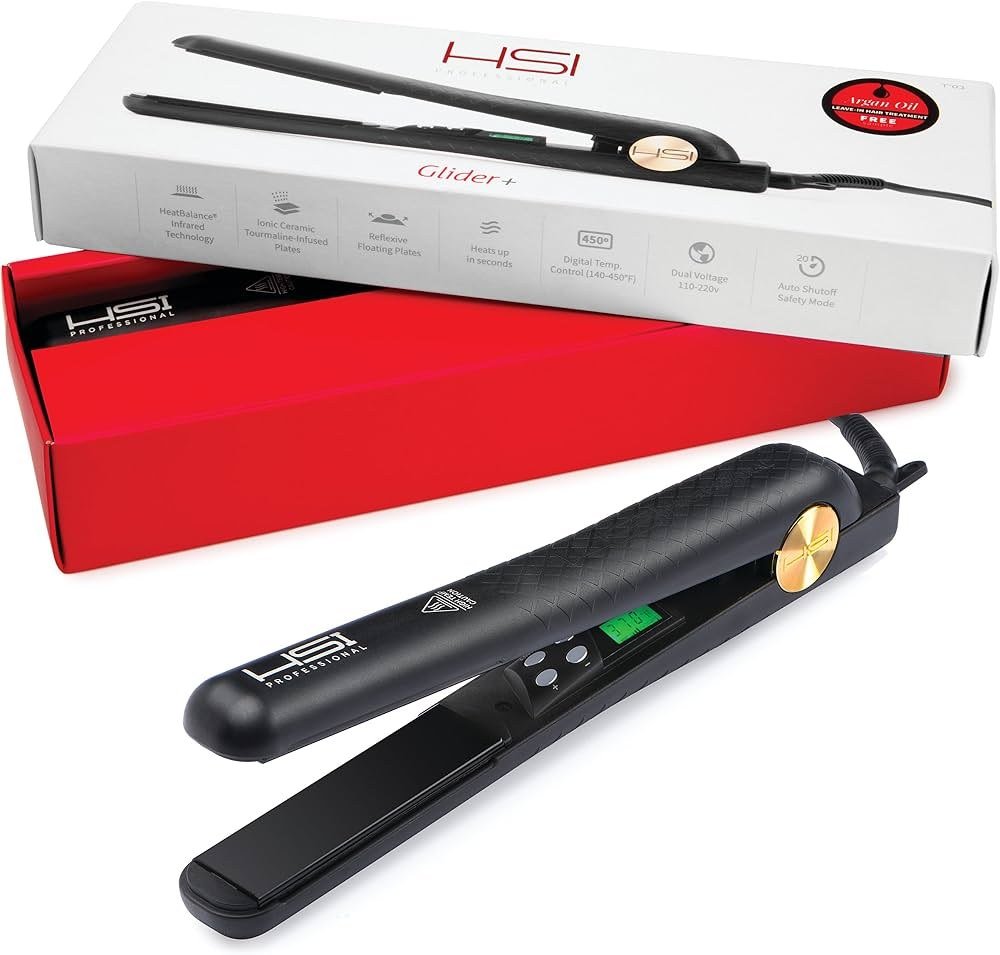
The Glider Plus earns its place on one specification no rival here matches: a temperature range starting at 140 degrees F. For the finest, most fragile hair, baby fine, thinning, or chemically compromised, even 300 degrees can be more than the strand should take, and the HSI can be set at temperatures other irons cannot reach, then worked up gradually to the lowest setting that actually smooths. The ceramic tourmaline plates are the gentle kind, the digital LCD keeps the setting honest, and the box typically includes a glove and argan treatment samples, with dual voltage for travel. The compromises are build and brand weight: the plastics and hinge feel budget against the T3 and ghd, heat consistency across the plate is good rather than exceptional, and HSI is a value brand whose customer service is thinner than the salon names. For the specific reader whose hair is too fragile for every other iron in this guide, though, that low floor is not a detail, it is the entire decision, and the HSI is the only pick that serves them. The LCD also prevents the classic budget iron failure of guessing the heat from a dial, which for fragile hair is the difference between a tool that can be trusted and one that has to be feared.
Specifications
Ceramic tourmaline plates
wide adjustable range from 140 to 450 degrees F
digital LCD control
worldwide dual voltage with glove and samples in the box
Pros
Temperature floor of 140 degrees serves the most fragile hair
Gentle ceramic tourmaline plates with digital control
Dual voltage with glove included
Cons
Budget build and hinge feel
Plate heat consistency is good, not exceptional
Value brand support is thin
Who should buyyour hair is baby fine, thinning or chemically fragile and needs ultra low heat
Who should skipyou want premium build quality and plate consistency
Remington’s Shine Therapy is the budget conscience of this guide: ceramic plates infused, the brand says, with argan oil and micro conditioners that transfer during styling, digital controls starting at 300 degrees, and floating plates, all at a price that undercuts the premium irons by a factor of five or more. For fine hair the honest reading is that the infusion is a pleasant extra rather than a proven treatment, but the fundamentals are right: ceramic is the gentle plate material, 300 degrees is a sensible fine hair working temperature, and digital control at this price is not guaranteed elsewhere. The finish is smooth and, yes, shiny, and the iron heats quickly. The compromises are longevity and refinement: the hinge and plastics are mainstream, the plates’ coating will wear with heavy use, and the temperature steps are coarser than the T3’s nine. For fine hair readers who straighten occasionally, or who are buying a first iron and refuse to overspend before the habit is proven, it does the essential job properly. Remington’s wide availability completes the case: it can be bought in a supermarket or pharmacy today, used tonight, and returned easily if fine hair disagrees with it, which no premium online only iron can match.
Specifications
1 inch ceramic plates infused with argan oil and micro conditioners
digital controls from 300 to 450 degrees F
floating plates
Pros
Ceramic plates and digital control from 300 degrees
Genuine fine hair suitability at a budget price
Fast heat up with floating plates
Cons
Infused oil claim is an extra, not a treatment
Coating and hinge wear with heavy use
Coarser temperature steps than premium irons
Who should buyyou straighten fine hair occasionally and want the essentials done right, cheaply
Who should skipyou straighten daily and need premium build longevity
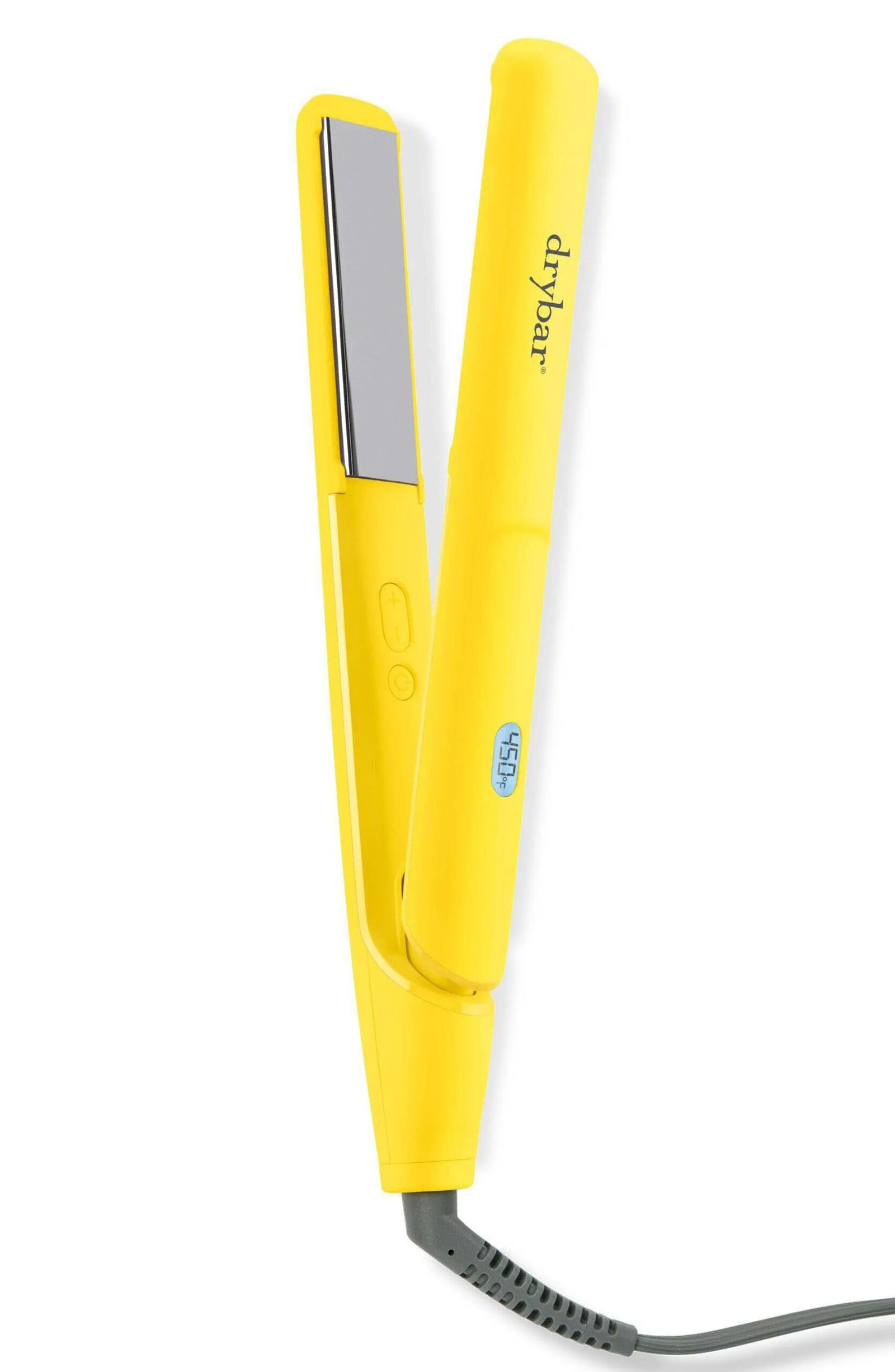
The Tress Press is Drybar’s single iron, and it behaves like a blowout bar tool: titanium plates for a fast, sealed finish, digital temperature control, rounded edges so the iron can double for waves, and a long professional cord. For fine hair the case rests on speed and finish: titanium’s quick heat transfer means a single brisk pass at a moderate digital setting does what slower irons do in two, and total heat exposure, the product of temperature and time, can end up lower. The digital readout removes guesswork, which matters because titanium forgives nothing at high settings. The compromises are that forgiveness point itself, since the iron reaches 450 degrees and fine hair should live in its lower third, a premium price, and a slightly wide body for very short hair. Readers with fine hair who straighten often and value a fast, glossy, salon style result, and who can be trusted with a dial, will find it one of the most satisfying irons here; the careless should choose ceramic. Drybar’s retail presence helps here too, since the Tress Press can be tried in store under guidance, and for an iron whose speed takes a session to appreciate, that trial is worth more than a specification sheet.
Specifications
1 inch titanium plates
digital heat to 450 degrees F
rounded plate edges
professional length cord
Pros
Fast titanium passes can lower total heat exposure
Digital readout removes temperature guesswork
Rounded edges double the iron for waves
Cons
Titanium at high settings is unforgiving on fine hair
Premium price
Body is wide for very short hair
Who should buyyou straighten fine hair often and want a fast, glossy salon finish
Who should skipyou are careless with heat settings; choose a ceramic iron instead
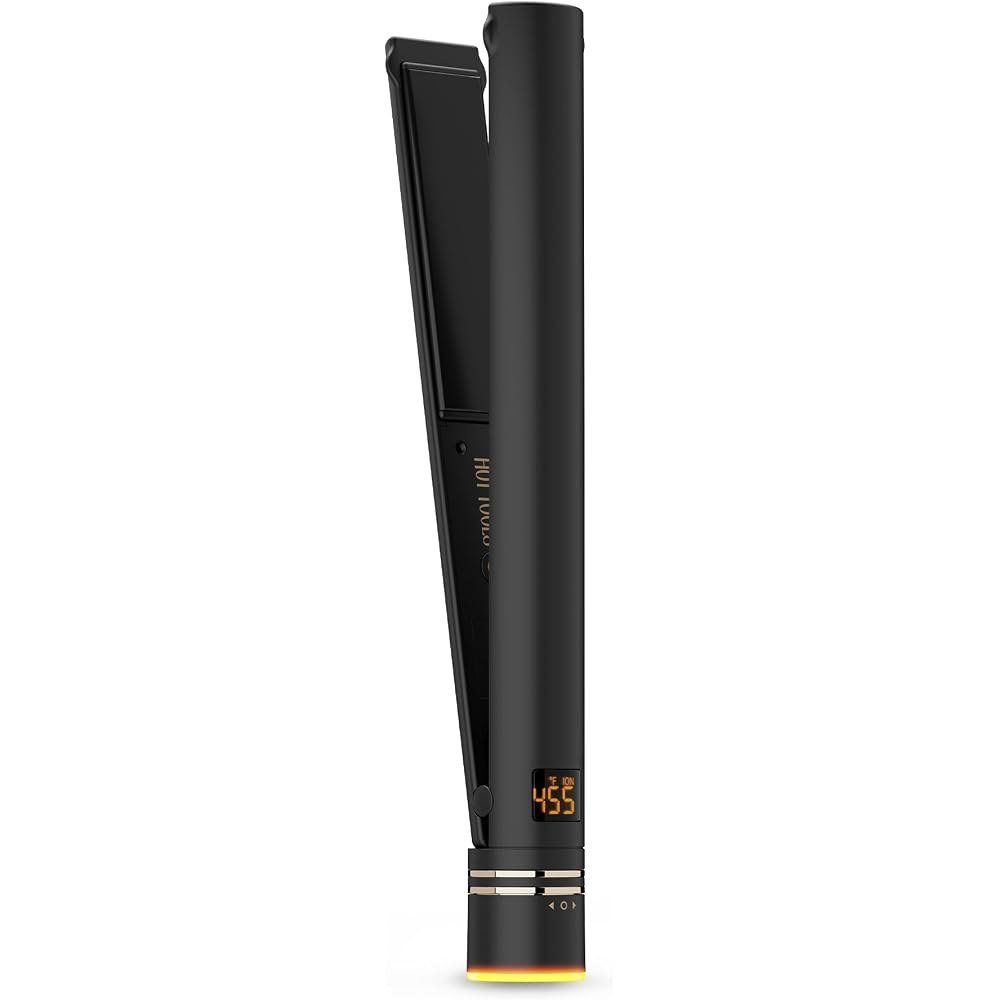
The Evolve closes the guide as the modernised Hot Tools flagship: micro shine titanium plates with rounded edges, Pulse Technology holding the set temperature as sections draw heat out, and an adjustable range that reaches 455 degrees for other hair types while still setting down into the zone fine hair uses. For fine hair the relevant virtues are consistency and glide: the micro shine finish reduces the drag that makes fine strands catch and kink mid pass, and the pulse recovery means the tenth section gets the same heat as the first, so results do not fade down the head. The 1.25 inch plates cover fine hair’s sections in fewer passes. The compromises are titanium discipline, again, since the top of the range is hostile territory for fine hair; a price in the upper mid range; and a feature set aimed at professionals that home users only partly exploit. As a durable, consistent, salon grade iron that a fine hair reader can also lend to thicker haired family members, it is a strong final pick. The Evolve’s rotating cord and universal voltage round out a professional package, and its plate size hits a useful middle: wide enough for speed on long fine hair, narrow enough for control at the root.
Specifications
1.25 inch micro shine titanium plates
Pulse Technology
adjustable heat to 455 degrees F
rounded plate edges with rotating cord
Pros
Micro shine plates glide without catching fine strands
Pulse recovery keeps heat consistent down the head
Wide plates finish sections in fewer passes
Cons
Top of the range is far too hot for fine hair
Upper mid range price
Professional features exceed home needs
Who should buyyou want a durable salon grade iron the household can share
Who should skipyour hair is fragile and needs the HSI’s ultra low range instead
A flat iron presses hair between two heated plates to straighten it, and with a twist of the wrist it also makes waves and curls. It is the highest contact heat tool, which is why plate quality and temperature control matter more here than in any other styler.
Plate material and float decide results: ceramic and tourmaline plates spread heat evenly, titanium heats fast and holds high temperatures for coarse or resistant hair, and floating plates keep pressure even so hair does not snag. Width follows hair length and thickness: narrow plates for short hair and detail work, wide plates for long, thick hair. A genuine low end to the temperature range is what makes an iron safe for fine or damaged hair.
How to Choose: the Criteria That Matter
Choosing a hair tool well means matching three things: the tool’s heat range to your hair’s tolerance, its size to your hair’s length and thickness, and its design to the style you actually wear most days. Read the temperature specification before the marketing, check the attachments your hair type needs are in the box, and be honest about session length, because a tool that takes forty minutes will be abandoned by February.
Temperature range and control, since fine hair needs genuinely low settings and coarse hair needs sustained heat
Temperature range is a safety specification, not a power boast. Fine, bleached and damaged hair needs a tool that genuinely works at low heat; coarse, resistant hair needs heat that holds under load. A wide, controllable range serves both.
Plate, barrel or airflow design matched to your hair texture and the style you want
The working surface must match the hair: plate width and float for irons, barrel diameter for curlers, airflow and attachments for dryers. A mismatch here cannot be fixed by technique, so it is the first thing to check.
Heat protection technology such as sensors, even heat plates or controlled airflow
Even heat is what separates a good tool from a damaging one. Sensors, quality plates and controlled airflow exist to remove hot spots, the places that scorch one section while the next stays damp.
Size and weight for your hair length and for how long styling sessions last
A tool that is heavy or oversized for your hair length will be used badly and then not used at all. Short hair needs narrow plates and small barrels; long, thick hair needs the opposite, plus a motor or element that keeps up.
Attachments included, such as diffusers for curls or concentrators for smooth blowouts
Attachments are part of the product: a diffuser decides whether a dryer serves curly hair at all, and a concentrator decides the smoothness of a blowout. Price the tool with the attachments your hair needs included.
Also Considered
These products were researched for this guide and left off the picks list for the reasons given. They are not poor products; they simply fit the exact question of this guide less well.
Dyson Corrale Straightener
The cordless flexing plate iron is genuinely innovative, but its price is several times the picks and its three heat settings give fine hair less low end control than the T3 or HSI.
CROC Classic Titanium Flat Iron 1.5 inch
A strong salon iron, left off because its wide titanium plates and high heat character suit thick hair better than the fine sections this guide serves.
FHI Heat Platform Ti Sleek Flat Iron 1.25 inch
A respected professional iron, researched closely; its titanium plates and pro pricing overlap the BaBylissPRO, which offers finer root access for fine hair.
How to Use What You Buy
Start with clean, fully detangled hair and apply heat protectant evenly
Dry hair completely before using irons, unless the tool is designed for wet to dry use
Work in small sections, no wider than the plate or barrel
Use the lowest temperature that achieves the style in one or two passes
Let each section cool in shape before touching it, which is what sets the style
Technique is half the tool. Hair should be detangled, protected and, for irons, completely dry before styling starts. Work in sections sized to the tool, use the lowest temperature that does the job in one or two passes, and let each section cool in shape before touching it. Those habits protect hair more than any single product feature, and they are free.
Use on completely dry hair with heat protectant, in sections no wider than the plates, one slow pass rather than several fast ones. Let hair cool before judging straightness, and finish with the lightest oil or serum only if frizz returns.
Who Should Buy, and Who Should Skip
Buy if your need matches this guide exactly: you are looking for options for fine hair, you have checked the criteria above against your current routine, and you are willing to introduce the product gradually and judge it over the period the category needs.
Skip if your concern is different from the one in the title, your skin or hair is currently irritated or damaged and needs recovery first, or a clinician has advised you on this concern, in which case their advice comes before any buying guide.
Common Mistakes in Flat Iron
Using maximum heat by default instead of the lowest effective setting
Passing the iron repeatedly over the same section
Styling damp hair with a flat iron, which boils water inside the hair shaft
Taking sections too large, which leaves the inside under styled and the outside over heated
Ironing damp hair, which boils the water inside the shaft and causes bubble damage no treatment reverses
Defaulting to maximum temperature when most hair straightens fully well below it
Frequently Asked Questions
How do I choose the right flat iron?
Start with the criteria in this guide: match the formula or specification to your hair type and the exact concern in the title, check the published ingredient or specification list, and pick the option whose downsides do not overlap with your problem. The type decision comes first: most disappointment in flat iron is a good product bought in the wrong type.
How long before I see results from a flat iron product?
It depends on the category, but most hair tools products need consistent use over several weeks before a fair judgement. Devices and treatments state their expected course in the manual or on the packaging, and that timeline is the one to follow. Judge on the category’s clock, not on the first week.
What should I avoid when buying for fine hair?
Avoid buying on claims alone: skip options with no published ingredient or specification list, strengths far beyond what your routine needs, and any product whose stated downsides match the exact issue you are trying to fix. Also avoid changing two other parts of your routine in the same week, which makes the new product impossible to judge.
Is the most expensive option always the best?
No. In flat iron, price often reflects branding, packaging and extras rather than the core ingredient or specification doing the work. The criteria in this guide matter more than the price band, and mid priced options with the right specification beat premium options with the wrong one.
What is the most common mistake with flat iron?
Ironing damp hair, which boils the water inside the shaft and causes bubble damage no treatment reverses A close second: defaulting to maximum temperature when most hair straightens fully well below it
How does flat iron fit into a daily routine?
Use on completely dry hair with heat protectant, in sections no wider than the plates, one slow pass rather than several fast ones. Let hair cool before judging straightness, and finish with the lightest oil or serum only if frizz returns. Technique is half the tool.
Can You Use Flat Iron Steak for Beef and Broccoli?
The companion how-to guide, Can You Use Flat Iron Steak for Beef and Broccoli, covers this in full: the step by step method, the right amounts and frequency for your type, and the mistakes that stop it working. It is linked from the routine sections of this page, and it is the right next read once you have chosen a product.
By Mirror & Glow Editorial Desk – November 23, 2026
Plate material and float decide results: ceramic and tourmaline plates spread heat evenly. This guide applies that to can you use flat iron steak for beef and broccoli: the method, the timing, and the traps to avoid.
By Mirror & Glow Editorial Desk – November 23, 2026
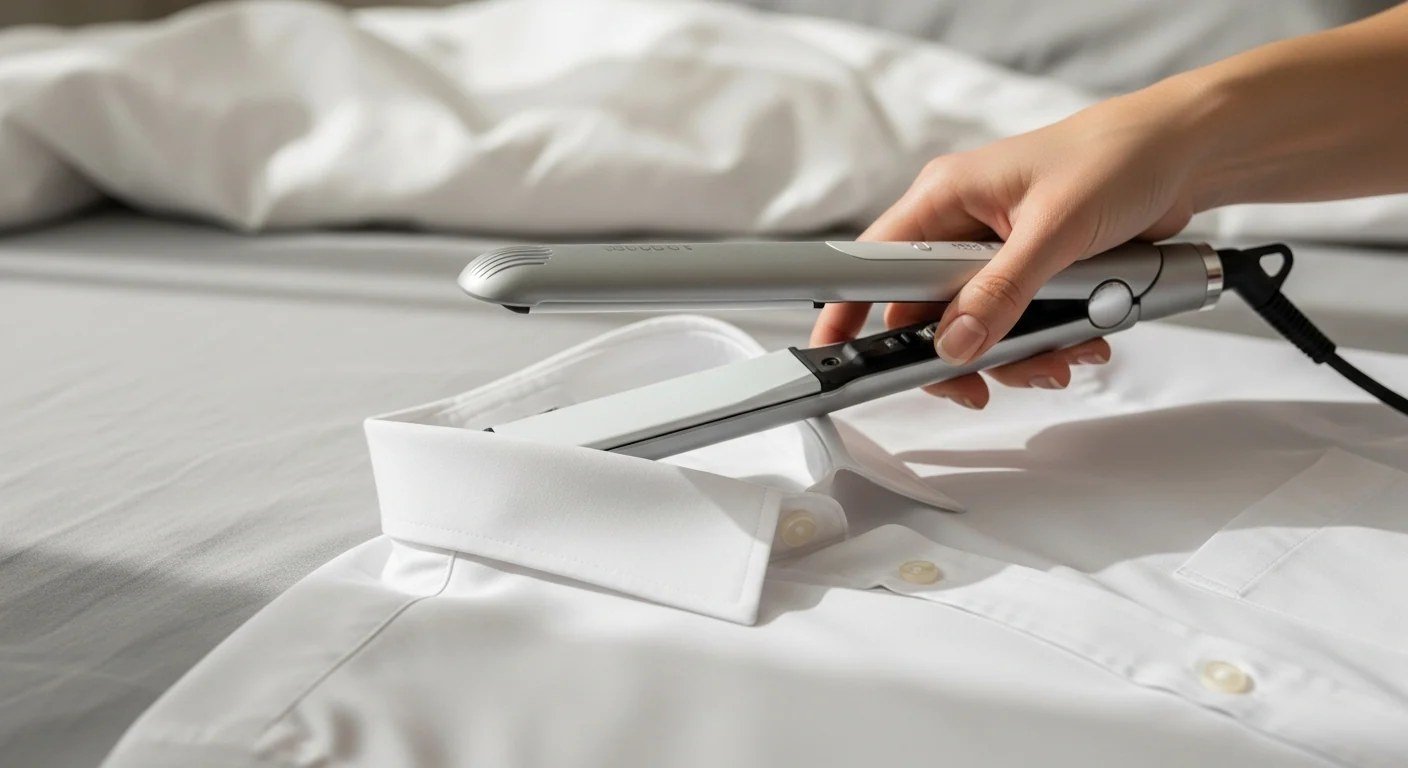
How to Use Flat Iron for Clothes Step by Step? A flat iron presses hair between two heated plates to straighten it — the guide explains the why, the step by step how, and what to do when it does not work.
By Mirror & Glow Editorial Desk – November 23, 2026
Plate material and float decide results: ceramic and tourmaline plates spread heat evenly. This guide applies that to what is flat iron steak called at the grocery store: the method, the timing, and the traps to avoid.