By Mirror & Glow Editorial Desk – November 23, 2026
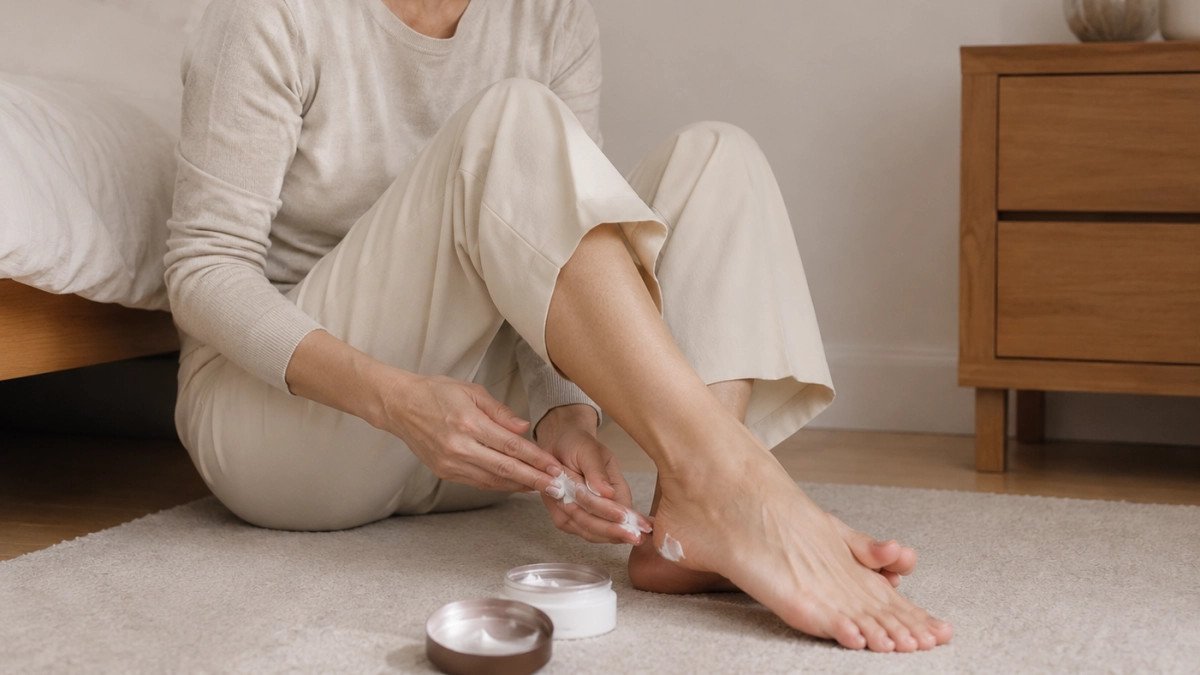
Hands massaging cream into feet resting on a towel during a spa pedicure treatment.
Affiliate disclosure: Mirror & Glow may earn a commission from qualifying purchases made through links on this page, at no extra cost to you. Full disclosure.
The verdict up front: start with O’Keeffe’s Healthy Feet Foot Cream, the strongest all round match in this line up for dry cracked feet. Every pick is compared in the table below, then reviewed in full with its downsides as well as its strengths.
If you are looking for the best foot cream for dry cracked feet, the right choice depends on fit, not hype. This guide is written for dry cracked feet, and every criterion below is weighted for that need first. The short answer: choose the foot cream whose formula, format and strength match your skin, check the ingredient or specification list before the marketing claims, and avoid the options whose downsides match the problem you are trying to solve.
What matters most in foot cream is covered in depth below: what the product actually is, the types on sale and how they differ, the buying criteria explained one by one, how to use what you buy, and the mistakes that waste the most money in this category.
Best Foot Cream for Dry Cracked Feet Compared
Product
Standout Point
Key Specification
O’Keeffe’s Healthy Feet Foot CreamTop Pick
Concentrated formula, so a little goes a long way
91 g jar – glycerin – allantoin – concentrated formula – unscented – non greasy claim
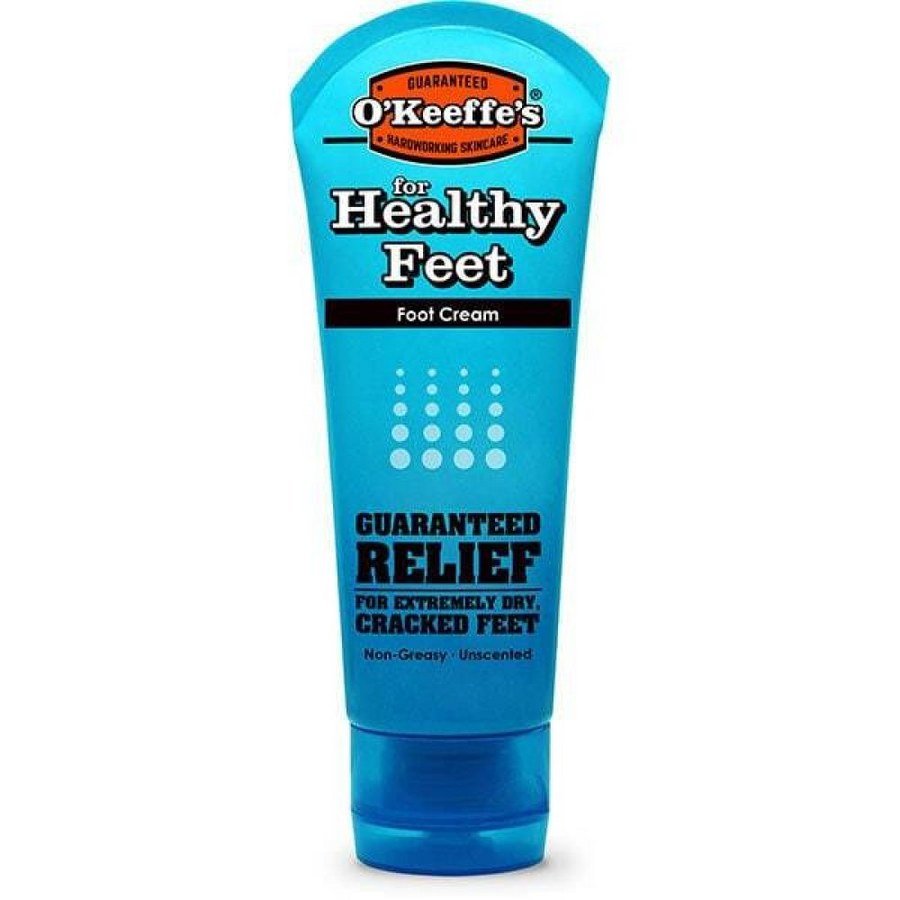
O’Keeffe’s Healthy Feet is the foot cream more readers finish than any other in this guide, and the reason is behavioural as much as chemical: a concentrated glycerin and allantoin cream that takes a pea sized amount per foot, sets down without grease, and can be used in the morning before socks and shoes, not only in a bedtime sock ritual. That usability is what a dry, cracked foot actually needs, because the best formula abandoned in the jar does nothing. The cream draws moisture in and helps the skin hold it, so heels soften progressively over the first week and, used daily, stop re splitting. Its boundary is callus: it is a superb moisturiser and maintainer, but a heel carrying a thick ridge of hard skin needs a urea treatment to reduce that ridge first, or the cream simply conditions the surface of a problem that keeps cracking from underneath. The jar is small, the dose is smaller, and there is a short tacky phase as it sets. For the common case, feet that are dry all over with heels beginning to crack, and for keeping repaired feet repaired, this is the guide’s first recommendation. It is also the cream to pack for travel and work, since the small jar survives a bag and the morning routine needs no socks or waiting time.
Specifications
91 g jar
glycerin
allantoin
concentrated formula
unscented
non greasy claim
Pros
Concentrated formula, so a little goes a long way
Sets down non greasy enough for morning use
Glycerin and allantoin suit daily maintenance
Cons
Moisturises but does not thin thick callus
Small jar feels expensive until the dose is understood
Brief tacky phase as it sets
Who should buyyour feet are dry with early heel cracking and you want the daily cream you will actually keep using
Who should skipyour heels carry thick, hard callus, where a urea cream has to reduce it first
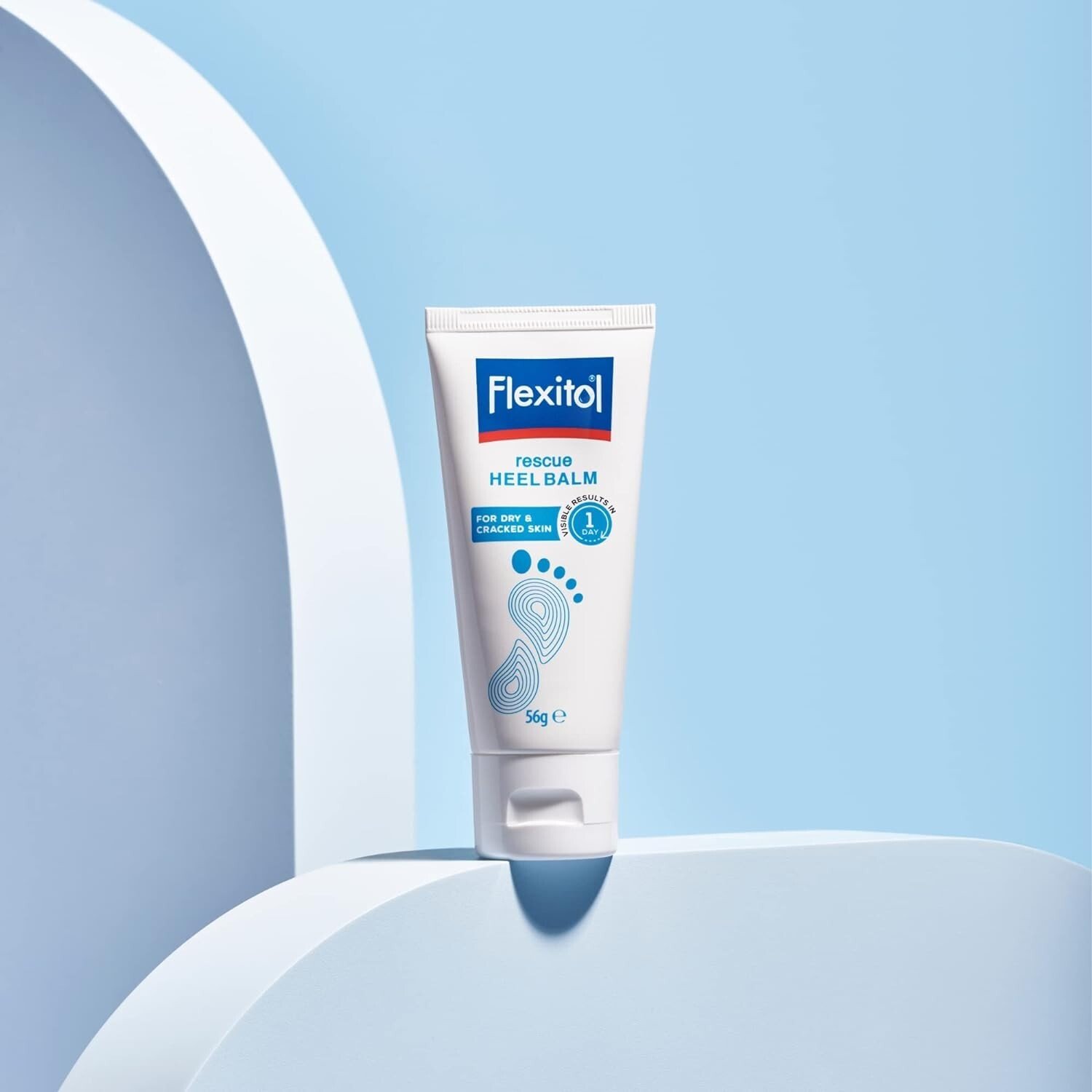
Flexitol is the intensive end of foot creams: a balm with a stated 25% urea, lanolin and glycerin, made for feet whose heels have moved past dry into rough, thickened and cracking. Urea at 25% softens the hard skin itself, loosening the callus so it becomes flexible again instead of splitting, while the balm base seals moisture in through the night. It is applied to the heel area rather than the whole foot, once or twice daily, and its pharmacy heritage in diabetic foot care ranges, with the standard advice that diabetic readers consult their clinician first, reflects how seriously the formula takes the job. Expect the texture to be rich and the routine to be a bedtime one with socks. It can sting on open fissures, so a crack that has already split open gets a plain healing ointment until it closes, then Flexitol takes over. Judged as a foot cream for genuinely cracked feet rather than general dryness, it is the benchmark in this guide: strong, specific and honest about being a treatment rather than a treat. Most routines see the surface cracks stop deepening within the first several nights, with the heel then softening progressively over the following two weeks of consistent use.
Specifications
56 g tube
25% urea
lanolin and glycerin
for dry and cracked skin
visible results in 1 day claim
Pros
25% urea actively softens callused heel skin
Rich balm base seals in the effect overnight
Long pharmacy track record for cracked heels
Cons
Too rich and costly as an all over foot cream
Stings on open or bleeding fissures
Needs socks to keep it off bedding
Who should buyyour heels are thick, rough and cracking and you want the intensive balm made for them
Who should skipyour feet are only mildly dry, where a lighter daily cream is pleasanter and cheaper
Kerasal earns its place in a foot cream guide as the ointment option: salicylic acid and urea in a petrolatum base, sealed with the American Podiatric Medical Association’s approval, made for dry, cracked feet that need softening and protection in the same application. The ointment format is the difference: where creams absorb and finish, Kerasal stays on the heel all night, keeping the acids working and the fissure edges protected from the friction that reopens them. A thin layer over the heels at bedtime, under socks, is the whole routine, and the small tube lasts because the layer is thin. It is not a whole foot moisturiser and should not be used as one; it is greasy by design, belongs nowhere near broken skin or between the toes, and diabetic readers need professional advice before acid products. For feet whose cracks are shallow but stubborn, heels that feel like bark, and soles that shed white dust into socks, it is one of the most effective night treatments sold without a prescription, and its single purpose focus is a strength rather than a limitation. A cotton sock over the application is not optional decoration; it keeps the ointment on the heel for the full night, which is where its results come from.
Specifications
30 g tube
salicylic acid and urea
ointment base
approved by the American Podiatric Medical Association
visible results in 1 day claim
Pros
Occlusive ointment keeps acids working all night
Exfoliates and protects shallow cracks together
Small jar still lasts, it spreads thin
Cons
Greasy ointment texture, bedtime use only
Not for between the toes
Milder than the 40% options on severe callus
Who should buyyour cracked heels need softening and overnight protection in one product
Who should skipyou want a morning, non greasy foot cream for whole foot use instead
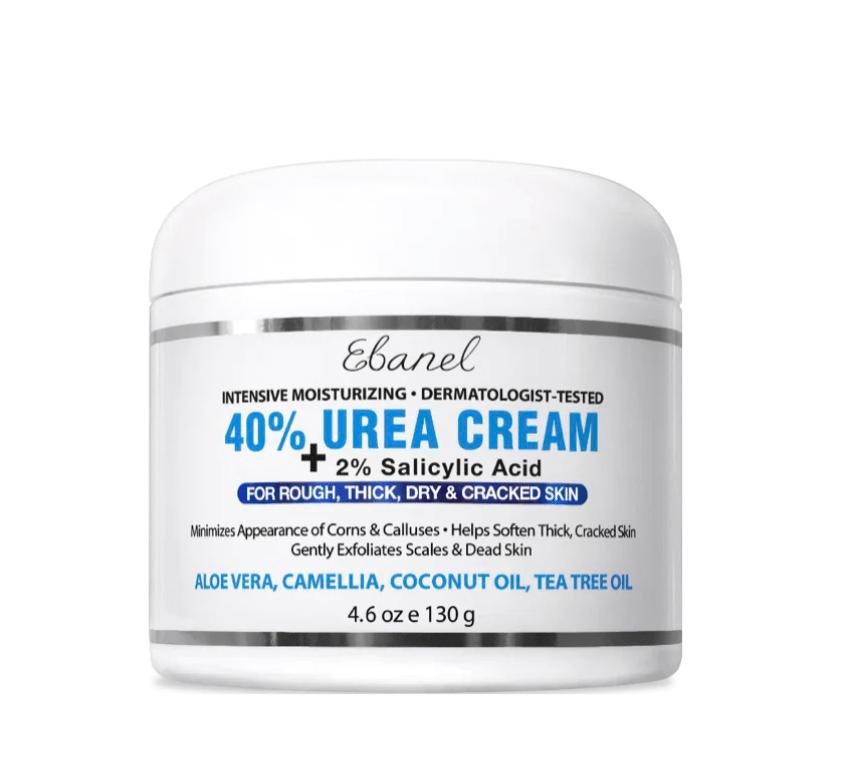
Ebanel is the strongest foot cream in this guide and it should be chosen knowingly: 40% urea with 2% salicylic acid, an intensive keratolytic combination for feet where the heels have built up thick, plate like callus that cracks at the edges. At this strength urea breaks down the hard skin itself rather than hydrating it, and the salicylic acid clears what loosens, so a short daily course can reduce in a week what gentle creams could not move in a month. The jar also serves elbows, knees and thick hand callus. Precision is the rule: apply to the thickened areas only, keep it off the thinner skin of the mid foot, never use it on an open crack, and step down to a maintenance cream once the heel is smooth rather than continuing indefinitely. It will sting on any break in the skin, and it is not for diabetic feet without medical advice. For the severe end of dry, cracked feet, the feet that catch on socks and bedding, this is the legitimate maximum strength home option, included with its warnings stated as plainly as its power. Once the course finishes, the result is held with a 10% urea or plain rich cream, which is why this jar is bought occasionally rather than constantly.
Specifications
130 g jar
40% urea
2% salicylic acid
aloe vera, coconut oil and tea tree oil
for rough, thick, dry and cracked skin
Pros
Strongest softening power in the guide
Urea and salicylic acid work by two mechanisms
Effective on plate like, stubborn callus
Cons
Irritates healthy skin if applied loosely
Not for open cracks or between toes
Diabetes or poor circulation: professional advice first
Who should buyyour heel callus is severe and plate like and standard foot creams have failed it
Who should skipyour feet are mildly dry or your skin is sensitive, where this strength is far more than needed
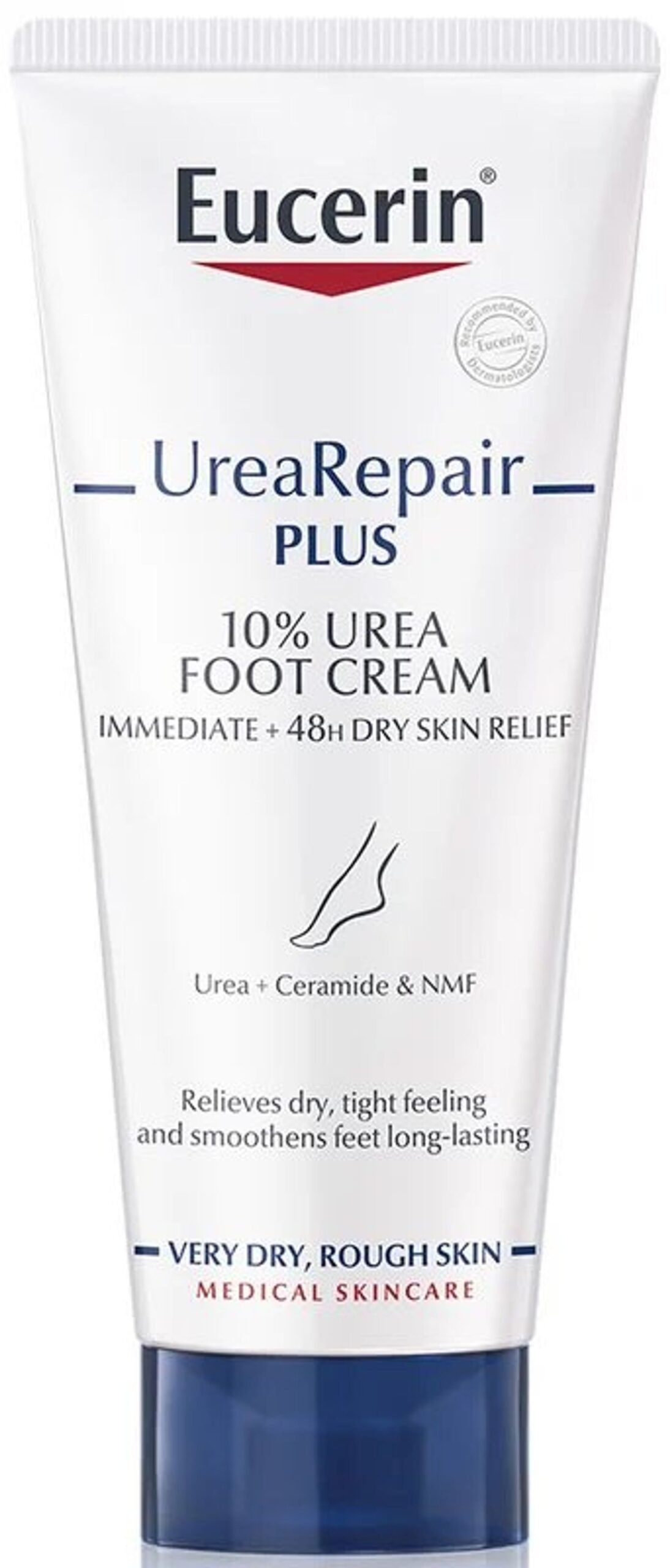
Eucerin’s UreaRepair foot cream is the daily wear urea option: a stated 10% urea with ceramide and natural moisturising factors, in a tube made for the whole foot, twice a day, without a sock ritual. Ten percent is the sustainable urea strength: enough to keep heel skin softening gently and stop cracks forming, mild enough for indefinite daily use on feet that are also reactive. The ceramide and NMF support distinguishes it from plain urea creams, rebuilding the barrier while the urea hydrates, which is why it suits feet that are dry and sensitive at once. The brand claims immediate relief with 48 hour effect, and the texture supports the claim’s spirit: it absorbs like a cream, not a balm. Its limit is pace on established damage: a heel already thick and split needs the 25% balm first, with this as the keeper afterwards. US supply runs through importers, so prices vary, and the 100 ml tube is modest at twice daily whole foot use. For readers who want urea’s benefits in a foot cream they can use every day of the year, this is the best judged formula in the guide. It is also a good choice for readers who wear shoes all day, since its finish does not leave feet sliding inside footwear the way balm textures can.
Specifications
100 ml tube
10% urea with ceramide and natural moisturising factors
immediate plus 48 hour relief claim
very dry, rough feet
Pros
Urea plus ceramide and NMF in one formula
Comfortable twice daily texture, no sock routine needed
Best suited to dry feet that are also reactive
Cons
Slower on severe callus than 25% options
US supply is through importers, prices vary
100 ml tube is modest at twice daily use
Who should buyyou want a urea foot cream gentle enough for twice daily, year round use
Who should skipyour heels are already thick and split, where the intensive balm comes first
This lotion is the whole foot and leg answer: a rich, fragrance free formula with alpha hydroxy and natural moisturising factors, in a 500 ml pump bottle that makes generous twice daily application affordable. Dry, cracked feet rarely travel alone; the same reader usually has flaky soles, rough heels and dry shins, and a pump lotion that covers all of it in one pass after the shower is a routine people actually sustain. The gentle alpha hydroxy smooths the rough surface progressively while the emollient base handles the dryness, so heels soften as part of general care rather than a targeted campaign. It is not the fastest route on thick, established callus, where the urea balm and the 40% cream work harder per application, and its richness wants a minute before socks. It can sting in an open fissure, as every acid containing product here can. But as the daily foot cream for dry feet with light to moderate heel cracking, bought by the half litre and used without rationing, it is one of the most sensible purchases in the guide, and its fragrance free formula suits the reactive skin that scented foot creams often upset. The pump format matters more than it sounds: a cream that takes two seconds to dispense gets used twice a day, and twice a day is what dry feet actually need.
Specifications
500 ml pump bottle
alpha hydroxy and natural moisturising factors
fragrance free
rich lotion for very dry skin
Pros
Large pump bottle suits generous daily use
Gentle exfoliation plus rich moisturising
Fragrance free, for feet and legs together
Cons
Slower on thick heel callus than urea balms
Rich texture needs a minute before socks
Can sting in open fissures
Who should buyyour dry feet come with dry legs and you want one generous pump lotion for everything
Who should skipyour heel callus is thick and localised, where a concentrated treatment works faster
CeraVe’s Moisturizing Cream is the barrier repair foot cream: three essential ceramides and hyaluronic acid in a petrolatum supported cream, fragrance free, with the brand’s MVE gradual release keeping hydration going between applications. For feet, its strength is the dry, rough, sensitive presentation: soles that flake, heels that are rough and early cracking, skin that stings with fragranced or strongly acidic products. It will not dissolve thick callus, and this guide does not pretend otherwise; what it does is restore a damaged moisture barrier so well that feet stop losing water, which is the underlying fault in most dry feet. The big tub is priced for the generous application feet need, it works over the whole foot and up the leg, and it layers happily under socks at night after a urea treatment on the worst heels. The tub format asks for clean hands. For readers whose cracked feet are part of generally dry, reactive skin, including those managing eczema prone skin elsewhere, this is the safest daily cream in the guide and the one dermatologists reach for first as a baseline. At night it can be applied thickly and covered with cotton socks, a simple intensification that noticeably speeds the recovery of rough, flaking soles.
Specifications
454 g tub
three essential ceramides
hyaluronic acid
petrolatum
fragrance free
MVE gradual release
Pros
Ceramides and petrolatum rebuild the barrier
Fragrance free, suits reactive and eczema prone skin
Large tub priced for generous foot use
Cons
Does not dissolve thick callus
Tub format needs clean hands or a spatula
Rich cream takes a minute to absorb
Who should buyyour feet are dry, rough and sensitive and you want barrier repair without acids or fragrance
Who should skipyour heels carry hard callus that needs a keratolytic cream to reduce it
Gold Bond’s foot cream is the pleasant everyday option: seven penetrating moisturisers with aloe in a non greasy tube, lightly scented, widely stocked and inexpensive, positioned by the brand for dry, rough and cracked heels. It publishes no urea or acid percentage, so this guide classifies it honestly as a maintenance cream rather than a treatment: it will keep comfortable feet comfortable, soften mild dryness, and serve very well as the morning partner to a urea night treatment. What it will not do is reduce established callus or close a fissure, and readers with genuinely cracked heels should not expect it to. The texture is its selling point: it absorbs like a hand cream, smells clean, and can be used before shoes without the sock ritual, which makes it the foot cream most likely to be used twice a day by readers who dislike rich products. The light fragrance rules it out for broken or very sensitive skin. As the affordable, everywhere available daily cream in a guide that also carries the heavy treatments, it earns its place on usefulness rather than strength. It is also a fair choice for readers who simply dislike the feel of cream on their feet, since its finish is the closest here to wearing nothing at all.
Specifications
113 g tube
seven penetrating moisturisers
aloe
fresh clean scent
non greasy claim
heals dry, rough and cracked heels positioning
Pros
Pleasant, non greasy texture that suits twice daily use
Widely stocked and low priced
Good maintenance cream alongside a urea treatment
Cons
No published urea or acid strength
Lightly fragranced, so not for broken or sensitive skin
Maintains rather than repairs severe callus
Who should buyyou want an affordable, non greasy daily foot cream for mild dryness and upkeep
Who should skipyour heels are thick or fissured, where a urea treatment has to lead
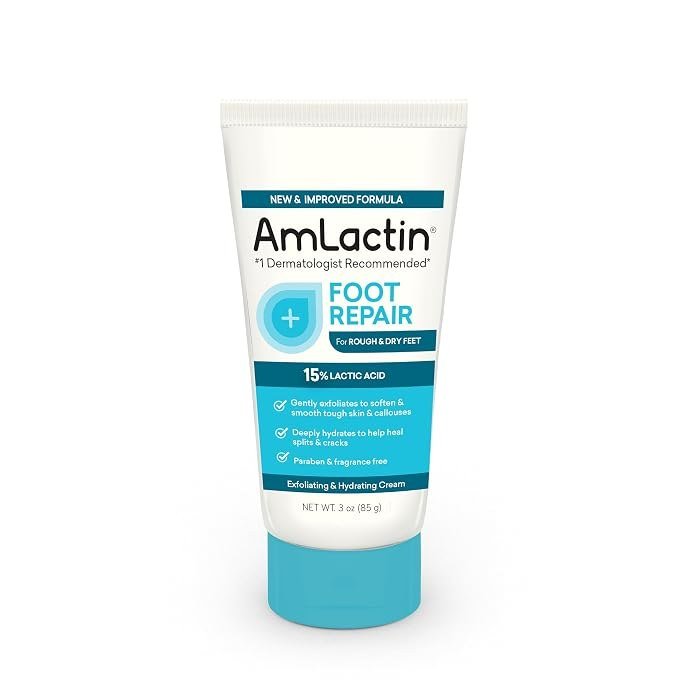
AmLactin’s cream brings a stated 15% lactic acid to feet, in the richer cream format that stays on the heel under socks better than the brand’s lotion. Lactic acid thins the thickened heel gradually by dissolving the bonds between dead cells, and because it is itself a humectant it leaves the newly revealed skin hydrated rather than raw, a combination that suits feet which are both callused and dry. The routine is nightly patience: a layer over heels and soles after the shower, judged over weeks, with the tub sized generously enough for both feet without rationing. It sits in the middle of this guide’s strength range, stronger than the daily lotions, gentler than the 40% treatment, and that middle is where many cracked feet actually live. The cautions are real: it stings sharply in an open crack, so fissures seal first under a plain ointment; it raises sun sensitivity on feet exposed in sandals; and it is not for broken skin. Fragrance free and long established, it is the considered choice for readers who want one acid cream that treats the whole foot, not only the heel. Readers often notice the change first as smoother stockings and bedding, since the rough heel surface stops catching before it looks dramatically different.
Specifications
396 g tub
15% lactic acid
exfoliating moisturiser
fragrance free version
cream format
Pros
Stated 15% lactic acid thins callus while moisturising
Cream format stays on the heel under socks
Works gradually without aggressive filing
Cons
Stings sharply in open or bleeding cracks
Increases sun sensitivity on exposed feet
Not for use on broken skin
Who should buyyou want one acid cream that treats heels and soles together at a sustainable strength
Who should skipyou have an open fissure today, where acids wait until it closes
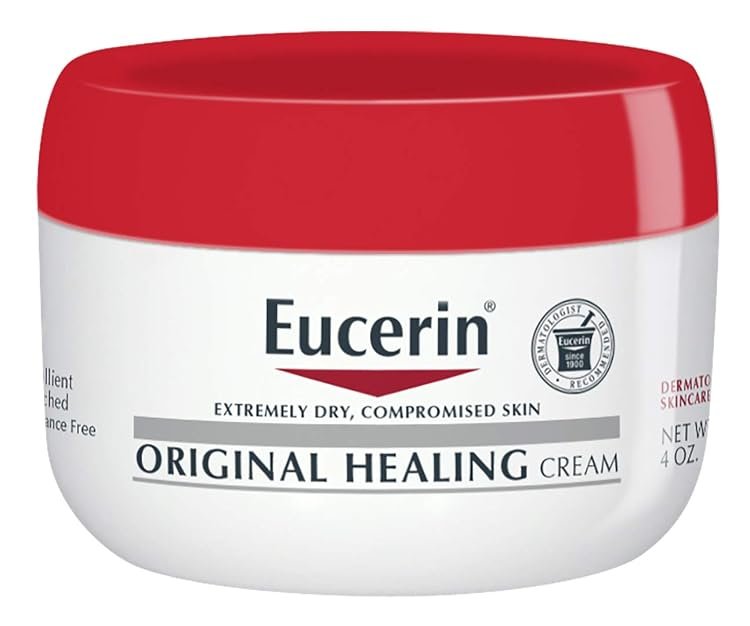
Eucerin’s Original Healing Cream is the acid free rich option: an emollient heavy, fragrance, dye and alcohol free cream made for extremely dry, compromised skin, and for feet that cannot tolerate urea or acids it is often the answer. Some cracked feet are reactive feet: they sting with actives, flare with fragrance, and need pure occlusion and patience. This cream delivers a dense, protective layer that softens heels by sealing water in, night after night under socks, and it is safe around shallow cracks that would make acid creams unbearable. The trade offs are texture and speed. It is greasy and slow to absorb, firmly a bedtime product, and with no active to reduce callus, a thick heel softens slowly and may still need a file or a tolerated treatment later. The jar shown is the small size; larger sizes are better value for nightly foot use. Within its role, the gentle heavy cream for the feet that reject everything stronger, it is excellent, and it doubles for elbows, knees and hands in the same dry condition, which makes the jar easy to justify. It is also the safest pick here around shallow cracks on the day they appear, when stronger creams would have to wait and this one can start immediately.
Specifications
113 g jar shown, larger sizes available
emollient rich formula
fragrance, dye and alcohol free
for extremely dry, compromised skin
Pros
Rich, emollient heavy formula for very dry heels
Fragrance, dye and alcohol free
Good acid free option for reactive skin
Cons
Greasy and slow to absorb, night use only
No active to reduce thick callus
Richness is more than mild dryness needs
Who should buyyour feet react to acids and fragrance and you need the rich, acid free night cream
Who should skipyour callus is thick and you tolerate actives, where a urea cream works much faster
Foot cream is a concentrated moisturiser built for the thickest, driest skin on the body: heels and soles that crack, catch on socks and see pressure all day. It is stronger medicine than body lotion by design, usually built on urea.
Urea is the headline ingredient to look for: at around ten percent it hydrates intensely, and at higher strengths it also softens and dissolves thickened callus skin. Lactic acid and rich occlusives such as lanolin or petrolatum support it. That softening action is why foot cream is kept for feet; on thinner skin the same strength can sting. Deep or bleeding cracks, and any foot problem with diabetes, belong to a clinician, not a cream.
How to Choose: the Criteria That Matter
Choosing body care well means matching the active to the concern and the texture to the severity. Bumps need a keratolytic active, cracks need urea and occlusion, plain dryness needs humectants and consistency. Read the ingredient list for the one active your concern calls for, choose a format you will genuinely use daily, and give texture problems a month of consistency before judging.
The texture your skin needs: lotion for mild dryness, cream or ointment style richness for severe dryness
Texture follows severity. Mild dryness maintains well on a lotion; established dryness needs a cream; cracked, thickened areas need ointment weight richness or an active formula. Buying too light a texture for the problem is the commonest waste in this category.
Key ingredients for the job, such as urea or lactic acid for roughness and ceramides for barrier support
Ingredients do the work: urea and lactic acid for roughness and bumps, ceramides and petrolatum for barrier repair, salicylic acid for body breakouts. A pleasant smell is not an ingredient strategy, so read the list for the active your concern actually needs.
Fragrance position, since body products are a common trigger for sensitive skin
Body products cover the largest skin area you own, which makes them the most likely trigger for fragrance sensitivity. If skin reacts to products generally, the fragrance free version of the same formula is the buy.
Application area and skin thickness: heels and elbows need stronger formulas than arms and legs
Skin thickness varies by site: heels, elbows and knees tolerate and need stronger formulas than the inner arm or chest. One product rarely serves the whole body optimally, and targeted products for feet and hands earn their separate place.
How it fits a shower routine, because the best body product is the one used daily
A body routine survives on convenience: a pump by the shower beats a beautiful jar in a cupboard. Choose the format you will use daily, because in body care consistency outperforms potency.
Also Considered
These products were researched for this guide and left off the picks list for the reasons given. They are not poor products; they simply fit the exact question of this guide less well.
PurOrganica Urea 40% Cream
A maximum strength budget urea cream, carried as a pick in the urea foot cream guide. Left off here because the Ebanel pick covers the same 40% plus salicylic ground with a more established name.
Amopé Pedi Perfect Electronic Foot File
Researched as the mechanical partner to these creams and a pick in the cracked heels treatment guide. Left off this list because this guide compares creams; the file reduces callus but moisturises nothing.
How to Use What You Buy
Apply moisturiser within a few minutes of showering, on skin that is still slightly damp
Use enough to cover the area in a thin, even film rather than spot treating
For exfoliating products, start once or twice a week and build as skin tolerates
Give rough areas such as heels a nightly application, with socks to protect bedding
Allow four weeks of consistent use before judging texture problems like bumps
Body care works on shower logic: exfoliate a few times a week, moisturise within minutes of washing while skin is still damp, and give targeted areas a nightly treatment. That rhythm, kept for a month, changes skin more than any single premium product used sporadically. Keep the products where the routine happens, at the shower and the bedside, not in a cabinet.
Apply nightly to clean feet, ideally after a shower or soak, and wear cotton socks to keep the cream working and off the sheets. Most heels improve visibly in two to three weeks of nightly use.
Who Should Buy, and Who Should Skip
Buy if your need matches this guide exactly: you are looking for options for dry cracked feet, you have checked the criteria above against your current routine, and you are willing to introduce the product gradually and judge it over the period the category needs.
Skip if your concern is different from the one in the title, your skin or hair is currently irritated or damaged and needs recovery first, or a clinician has advised you on this concern, in which case their advice comes before any buying guide.
Common Mistakes in Foot Cream
Moisturising dry skin hours after showering, when the water has already escaped
Scrubbing rough or bumpy skin harder instead of using the right active ingredient
Applying exfoliating acids to broken, shaved or sunburnt skin
Stopping after a week when texture concerns respond over a month
Using regular body lotion on cracked heels and concluding creams do not work, when the active strength is the difference
Filing or cutting into deep cracks at home, which risks infection; soften and moisturise, and see a professional for deep fissures
Frequently Asked Questions
How do I choose the right foot cream?
Start with the criteria in this guide: match the formula or specification to your skin type and the exact concern in the title, check the published ingredient or specification list, and pick the option whose downsides do not overlap with your problem. The type decision comes first: most disappointment in foot cream is a good product bought in the wrong type.
How long before I see results from a foot cream product?
It depends on the category, but most body care products need consistent use over several weeks before a fair judgement. Devices and treatments state their expected course in the manual or on the packaging, and that timeline is the one to follow. Judge on the category’s clock, not on the first week.
What should I avoid when buying for dry cracked feet?
Avoid buying on claims alone: skip options with no published ingredient or specification list, strengths far beyond what your routine needs, and any product whose stated downsides match the exact issue you are trying to fix. Also avoid changing two other parts of your routine in the same week, which makes the new product impossible to judge.
Is the most expensive option always the best?
No. In foot cream, price often reflects branding, packaging and extras rather than the core ingredient or specification doing the work. The criteria in this guide matter more than the price band, and mid priced options with the right specification beat premium options with the wrong one.
What is the most common mistake with foot cream?
Using regular body lotion on cracked heels and concluding creams do not work, when the active strength is the difference A close second: filing or cutting into deep cracks at home, which risks infection; soften and moisturise, and see a professional for deep fissures
How does foot cream fit into a daily routine?
Apply nightly to clean feet, ideally after a shower or soak, and wear cotton socks to keep the cream working and off the sheets. Most heels improve visibly in two to three weeks of nightly use. Body care works on shower logic: exfoliate a few times a week, moisturise within minutes of washing while skin is still damp, and give targeted areas a nightly treatment.
How Long to Use Athletes Foot Cream for Ringworm?
The companion how-to guide, How Long to Use Athletes Foot Cream for Ringworm, covers this in full: the step by step method, the right amounts and frequency for your type, and the mistakes that stop it working. It is linked from the routine sections of this page, and it is the right next read once you have chosen a product.
By Mirror & Glow Editorial Desk – November 23, 2026
Urea is the headline ingredient to look for: at around ten percent it hydrates intensely. This guide applies that to how long to use athletes foot cream for ringworm: the method, the timing, and the traps to avoid.
By Mirror & Glow Editorial Desk – November 23, 2026
How Often to Put Athletes Foot Cream on Ringworm? The short answer first, then the detail: apply nightly to clean feet, ideally after a shower or soak, with timing, amounts and the errors that stop it working.
By Mirror & Glow Editorial Desk – November 23, 2026
The direct answer to can you use body lotion as foot cream, with the background explained: foot cream is a concentrated moisturiser built for the thickest. Step by step method, routine placement and FAQs.