By Mirror & Glow Editorial Desk – November 23, 2026
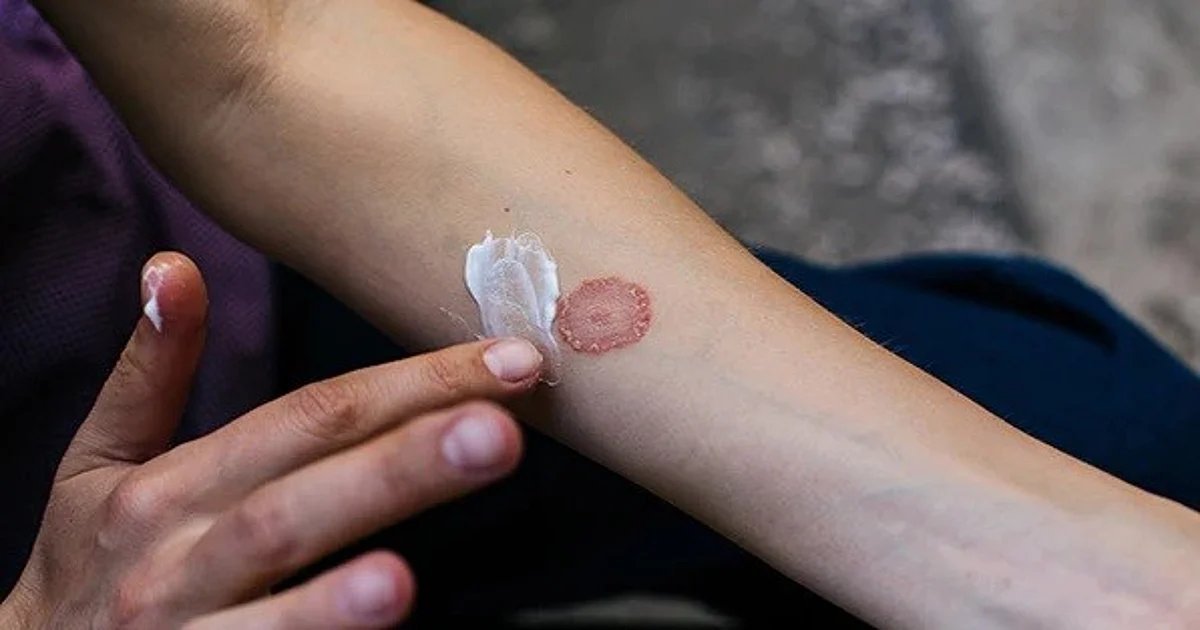
Hand applying white cream to a round red ringworm patch on a forearm.
The direct answer to how often to put athletes foot cream on ringworm: frequency for foot cream depends on your skin or hair type and the strength of the product, and the safe pattern is to start at the lower end of the product’s stated frequency, then increase only if your skin or hair stays comfortable. The sections below explain how to judge the right rhythm for you, and the signs that you are doing it too often.
Foot Cream Explained
Foot cream is a concentrated moisturiser built for the thickest, driest skin on the body: heels and soles that crack, catch on socks and see pressure all day. It is stronger medicine than body lotion by design, usually built on urea.
Urea is the headline ingredient to look for: at around ten percent it hydrates intensely, and at higher strengths it also softens and dissolves thickened callus skin. Lactic acid and rich occlusives such as lanolin or petrolatum support it. That softening action is why foot cream is kept for feet; on thinner skin the same strength can sting. Deep or bleeding cracks, and any foot problem with diabetes, belong to a clinician, not a cream.
How Often, by Type
The right frequency is the highest one your skin or hair stays comfortable with, and no higher. Use the table for your type, start there, and let two weeks of evidence, not enthusiasm, argue for increasing.
Your Type
Guidance
Mild dryness
Daily light application after showering maintains mild dryness; frequency matters less than the damp skin timing.
Established dryness or rough texture
Moisturiser daily, exfoliating treatments two to three times a week, and targeted creams nightly on the worst areas.
Sensitive or reactive skin
New body products start on alternate days on a small area; body skin is forgiving, but the area covered is large, so reactions are too.
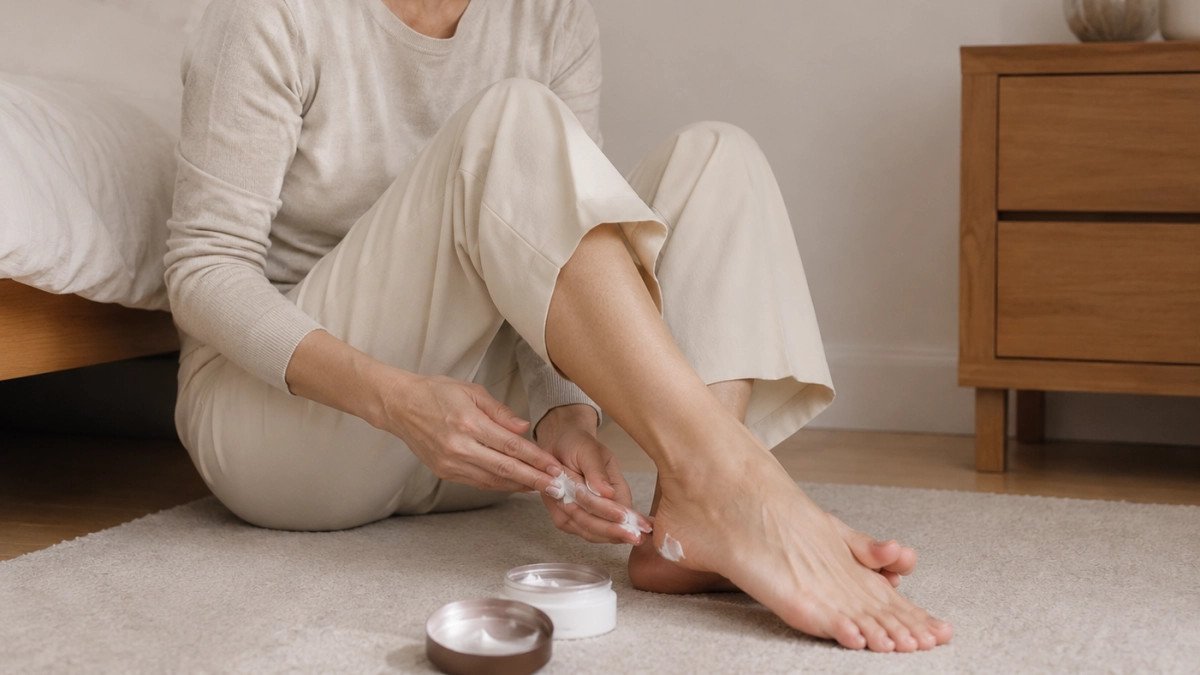
For foot cream specifically: Apply nightly to clean feet, ideally after a shower or soak, and wear cotton socks to keep the cream working and off the sheets. Most heels improve visibly in two to three weeks of nightly use.
Signs you are overdoing it are consistent across categories: tightness, stinging, flaking, new sensitivity, or hair that feels coated, limp or brittle. Any of those means step the frequency down for a week, not push through. Consistency at a sustainable frequency beats intensity in bursts every time.
Step by Step: Foot Cream
The method below is the standard technique for this category, in the order that makes each step work. Adapt the amounts to your own skin or hair, and keep the order. If you still need the product itself, the buying guide Best Foot Cream for Dry Feet with Urea compares the current options for this exact need.
Apply moisturiser within a few minutes of showering, on skin that is still slightly damp
Use enough to cover the area in a thin, even film rather than spot treating
For exfoliating products, start once or twice a week and build as skin tolerates
Give rough areas such as heels a nightly application, with socks to protect bedding
Allow four weeks of consistent use before judging texture problems like bumps
Getting Foot Cream Right in Your Routine
Fit matters more than intensity with foot cream. Build the habit at the gentlest effective level first: the right product amount, the right frequency for your type, and one change at a time so you can see what is actually helping. Keep the rest of your body care routine stable while you judge the change, and give the routine the full period the product guidance describes before deciding it does not work.
Keep notes for the first two weeks: what you used, how much, and how your skin or hair felt the next day. That simple record answers most follow up questions, including whether a reaction came from the new step or from something layered with it.
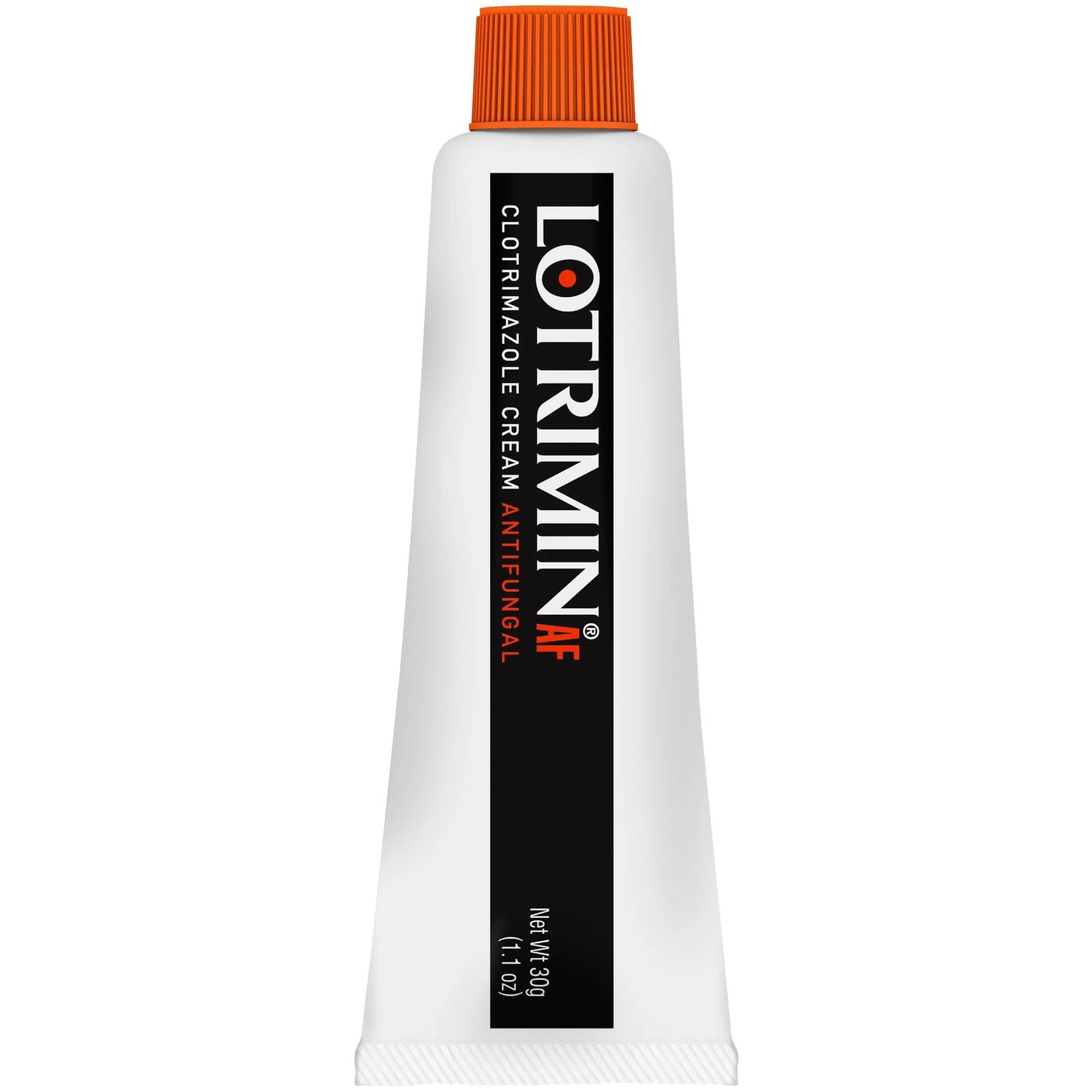
This is the first true cream in the guide, and the one to reach for when flakes concentrate in patches: Lotrimin AF is a clotrimazole 1% cream, a broad spectrum antifungal from the same family of actives dermatologists use for seborrheic dermatitis, in a small 1 oz tube. It is sold for athlete’s foot, which is worth stating plainly, but the active is the point: worked into the skin under the beard, parting the hair to reach it, twice a day, it treats the yeast driven inflammation in the exact spot rather than washing the whole beard. That makes it the right format for the classic beard dandruff pattern of flaky, pink patches at the chin, moustache and sideburns, and for readers who do not want to medicate their whole beard for one bad area. The cream base is light and non greasy, so beard hair over it stays presentable. Expect a course measured in weeks, typically two to four, and continue a few days past clear skin. Its limits are format ones: the small tube goes quickly if the area is large, a medicated wash is still the better base routine for widespread flaking, and cream under a dense beard takes a minute of patience to apply properly. Persistent or spreading patches despite a full course should be seen by a dermatologist.
Specifications
1 oz tube
clotrimazole 1%
antifungal cream
applied to skin twice daily
Pros
True cream format targets patches precisely under the beard
Clotrimazole 1% is a standard antifungal for this condition
Light, non greasy base keeps beard hair presentable
Cons
Sold for athlete’s foot, so beard use is off label even though the active is standard
Small tube is easily used up on larger areas
Antifungals alone will not calm a strongly inflamed flare quickly
Who should buyyour dandruff sits in defined patches and you want a cream that treats the skin directly
Who should skipyour flaking covers the whole beard and a medicated wash would be easier
Moisturising dry skin hours after showering, when the water has already escaped
Scrubbing rough or bumpy skin harder instead of using the right active ingredient
Applying exfoliating acids to broken, shaved or sunburnt skin
Stopping after a week when texture concerns respond over a month
Using regular body lotion on cracked heels and concluding creams do not work, when the active strength is the difference
Filing or cutting into deep cracks at home, which risks infection; soften and moisturise, and see a professional for deep fissures
When to See a Professional
See a dermatologist or qualified professional if the concern is painful, spreading, bleeding, not improving after a consistent routine of several weeks, or if it appeared suddenly and severely. Nail changes such as thickening, colour change with pain, or separation from the nail bed also deserve professional assessment rather than cosmetic treatment. Buying guides support everyday care; they do not diagnose or treat medical conditions.
Deciding between options? The comparison Foot Cream vs Body Lotion sets out the differences, downsides and verdicts for this topic.
Frequently Asked Questions
How Often to Put Athletes Foot Cream on Ringworm – what is the most important thing to get right?
Consistency at the right level for your type. With foot cream, the correct amount and frequency used steadily will outperform an intense routine used occasionally, and it avoids most of the irritation that makes people abandon the routine.
How long does it take to see a difference?
Most body care routines show their direction within two to four weeks of consistent use, with fuller results over two to three months for concerns involving skin renewal or hair growth cycles. Judge on that timeline, not on single days.
What if my skin or hair reacts badly?
Stop the new step, return to your simplest routine until things settle, and reintroduce only one product at a time if you try again. Persistent pain, swelling or spreading irritation is a reason to seek professional advice rather than push through.
What is the biggest mistake people make with foot cream?
Using regular body lotion on cracked heels and concluding creams do not work, when the active strength is the difference A close second: filing or cutting into deep cracks at home, which risks infection; soften and moisturise, and see a professional for deep fissures
What should I check before starting with foot cream?
Urea is the headline ingredient to look for: at around ten percent it hydrates intensely, and at higher strengths it also softens and dissolves thickened callus skin. Beyond that, check the product’s own directions against your skin or hair type, start at the gentle end of any range, and change nothing else in your routine for the first two weeks so the result is readable.
What is the best foot cream for dry feet with urea?
The buying guide Best Foot Cream for Dry Feet with Urea compares the leading options for this exact need against the criteria that matter, with specifications, honest pros and cons, and a clear statement of who should skip each pick. It is linked from this page.
By Mirror & Glow Editorial Desk – November 23, 2026
Urea is the headline ingredient to look for: at around ten percent it hydrates intensely. This guide applies that to how long to use athletes foot cream for ringworm: the method, the timing, and the traps to avoid.
By Mirror & Glow Editorial Desk – November 23, 2026
The direct answer to can you use body lotion as foot cream, with the background explained: foot cream is a concentrated moisturiser built for the thickest. Step by step method, routine placement and FAQs.
By Mirror & Glow Editorial Desk – November 23, 2026
Answering can you use foot cream for jock itch properly: apply nightly to clean feet, ideally after a shower or soak. Background, method, routine placement and FAQs, written for your skin or hair type.