By Mirror & Glow Editorial Desk – November 23, 2026
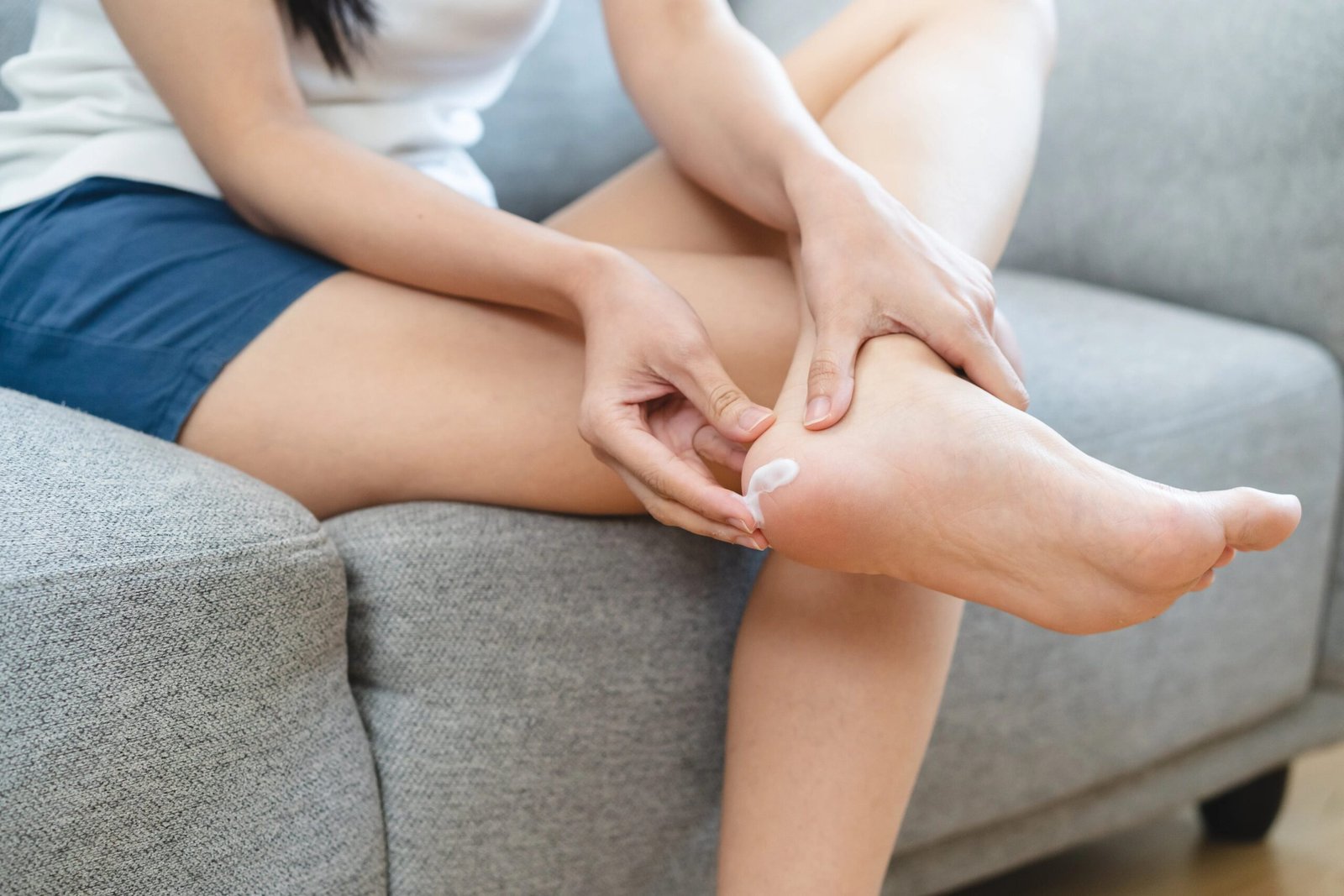
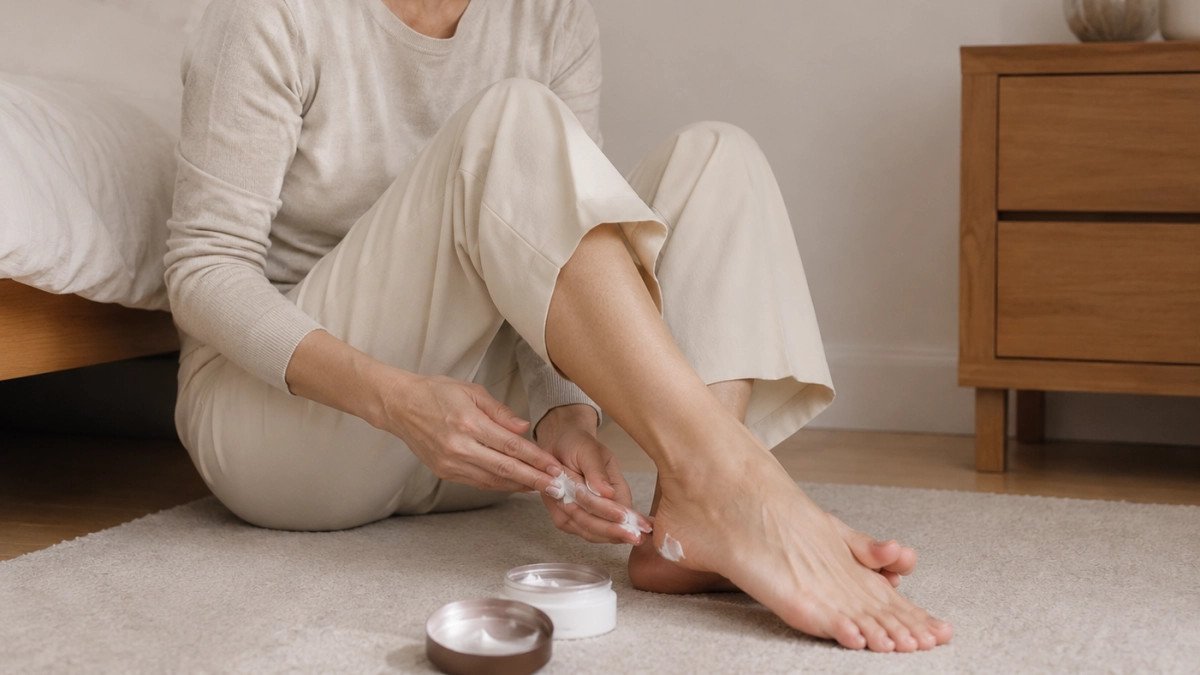
Woman sitting on a sofa applying cream to the heel of her foot.
Affiliate disclosure: Mirror & Glow may earn a commission from qualifying purchases made through links on this page, at no extra cost to you. Full disclosure.
The verdict up front: start with Flexitol Rescue Heel Balm, the strongest all round match in this line up for dry feet with urea. Every pick is compared in the table below, then reviewed in full with its downsides as well as its strengths.
If you are looking for the best foot cream for dry feet with urea, the right choice depends on fit, not hype. This guide is written for dry feet with urea, and every criterion below is weighted for that need first. The short answer: choose the foot cream whose formula, format and strength match your skin, check the ingredient or specification list before the marketing claims, and avoid the options whose downsides match the problem you are trying to solve.
What matters most in foot cream is covered in depth below: what the product actually is, the types on sale and how they differ, the buying criteria explained one by one, how to use what you buy, and the mistakes that waste the most money in this category.
Why this guide has nine picks, not ten: it only includes creams that actually contain urea, at a stated percentage or as a named formula ingredient. Several famous foot creams were researched and left in Also Considered because they contain no urea at all, and adding a tenth product that fails the guide’s own title would mislead readers.
Best Foot Cream for Dry Feet with Urea Compared
Product
Standout Point
Key Specification
Flexitol Rescue Heel BalmTop Pick
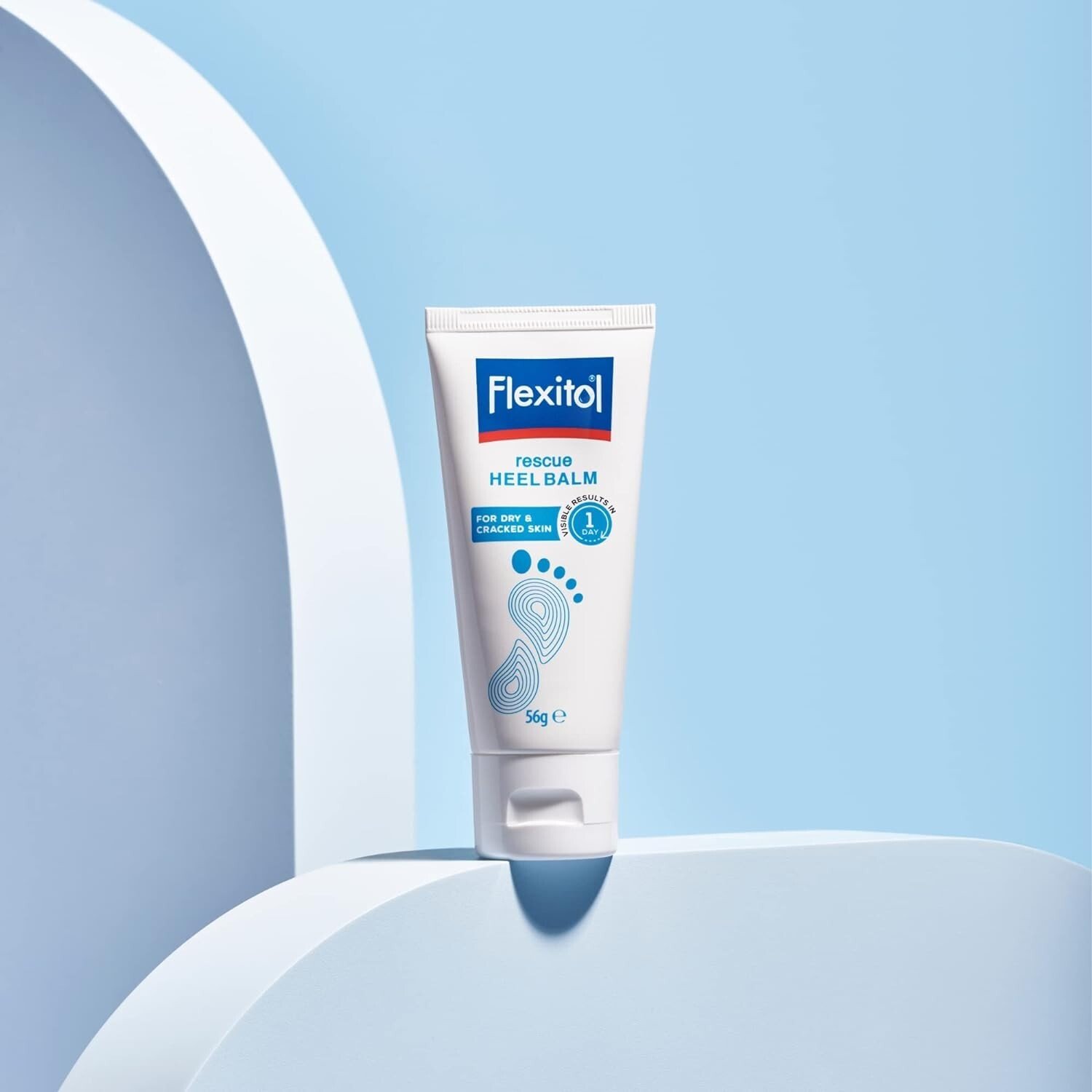
25% urea actively softens callused heel skin
25% urea – lanolin and shea butter – balm for cracked heels – visible results claim from the first days of use
Flexitol is the name most pharmacists reach for first in this category, and the formula shows why: 25% urea, a concentration high enough to actively soften and break down the thickened, callused skin of cracked heels rather than merely moisturise it, in a rich balm base with lanolin and shea butter to seal the softened skin. Urea works two jobs at once, drawing water into the outer layer and loosening the bonds of hard skin so it sheds, and at 25% both effects are strong. The brand’s claim of visible improvement within the first days matches how the product behaves on genuinely cracked heels: edges soften, snagging on socks and sheets reduces, and deep dry fissures become shallower over one to two weeks of twice daily use. The texture is a proper balm, thick and slightly waxy, so it belongs in socks after application, ideally overnight. It is a heel treatment, not an all over foot lotion, and using it as one wastes money and leaves feet greasy. It can also sting on open, bleeding cracks, which should first be protected and allowed to close. For the classic presentation this guide is about, hard, dry, cracked heels that ordinary foot cream has failed, this is the benchmark pick, and the one against which the rest are priced and judged.
Specifications
25% urea
lanolin and shea butter
balm for cracked heels
visible results claim from the first days of use
Pros
25% urea actively softens callused heel skin
Rich balm base seals in the effect overnight
Long pharmacy track record for cracked heels
Cons
Too rich and costly as an all over foot cream
Stings on open or bleeding fissures
Needs socks to keep it off bedding
Who should buyyour heels are hard, thickened and cracking despite regular foot cream.
Who should skipyour feet are only mildly dry, where a 10% urea lotion is enough.
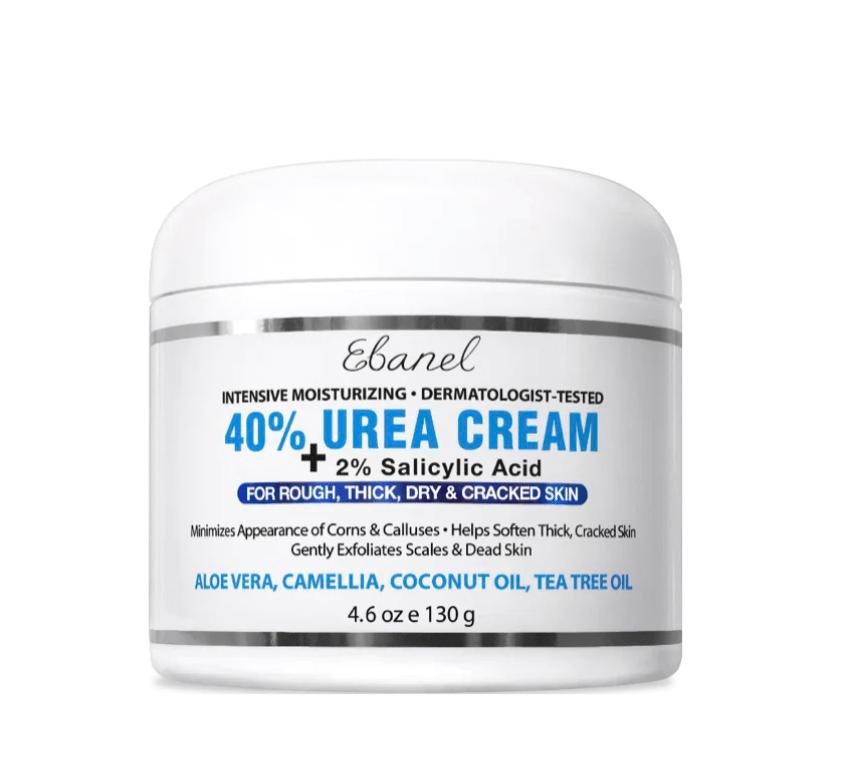
Ebanel is the maximum strength option in this guide, and it should be chosen with the respect that implies: 40% urea, the highest concentration sold for cosmetic foot use, reinforced with 2% salicylic acid, so the formula both softens hard skin and chemically exfoliates it. This is the pick for severe presentations: heels with deep, plate like callus, skin that cracks in the same place every winter, or feet where 25% products improved things but plateaued. Used in a thin layer once or twice daily on the hard areas only, it can transform thick heel skin over two to four weeks, especially paired with a gentle file once the skin softens. The jar also contains tea tree oil, green tea and aloe, which soften the medicinal character slightly, though the feel remains that of a treatment, not a treat. The cautions are the strongest in this guide. Forty percent urea will irritate healthy surrounding skin, so apply precisely, wash hands after, and keep it away from open cracks, between the toes, and anywhere the skin is thin. It is not for children, and anyone with diabetes or poor circulation should take foot skin decisions to a professional rather than a jar, a rule that applies across this category. Choose Ebanel when the job is demolition, then step down to a 10% cream to maintain the result.
Specifications
40% urea plus 2% salicylic acid
tea tree oil, green tea and aloe
intensive jar for heels, elbows and knees
Pros
Strongest softening power in the guide
Urea and salicylic acid work by two mechanisms
Effective on plate like, stubborn callus
Cons
Irritates healthy skin if applied loosely
Not for open cracks or between toes
Diabetes or poor circulation: professional advice first
Who should buyyour heel callus is severe and mid strength creams have plateaued.
Who should skipyour dryness is mild, or your skin is thin or sensitive.
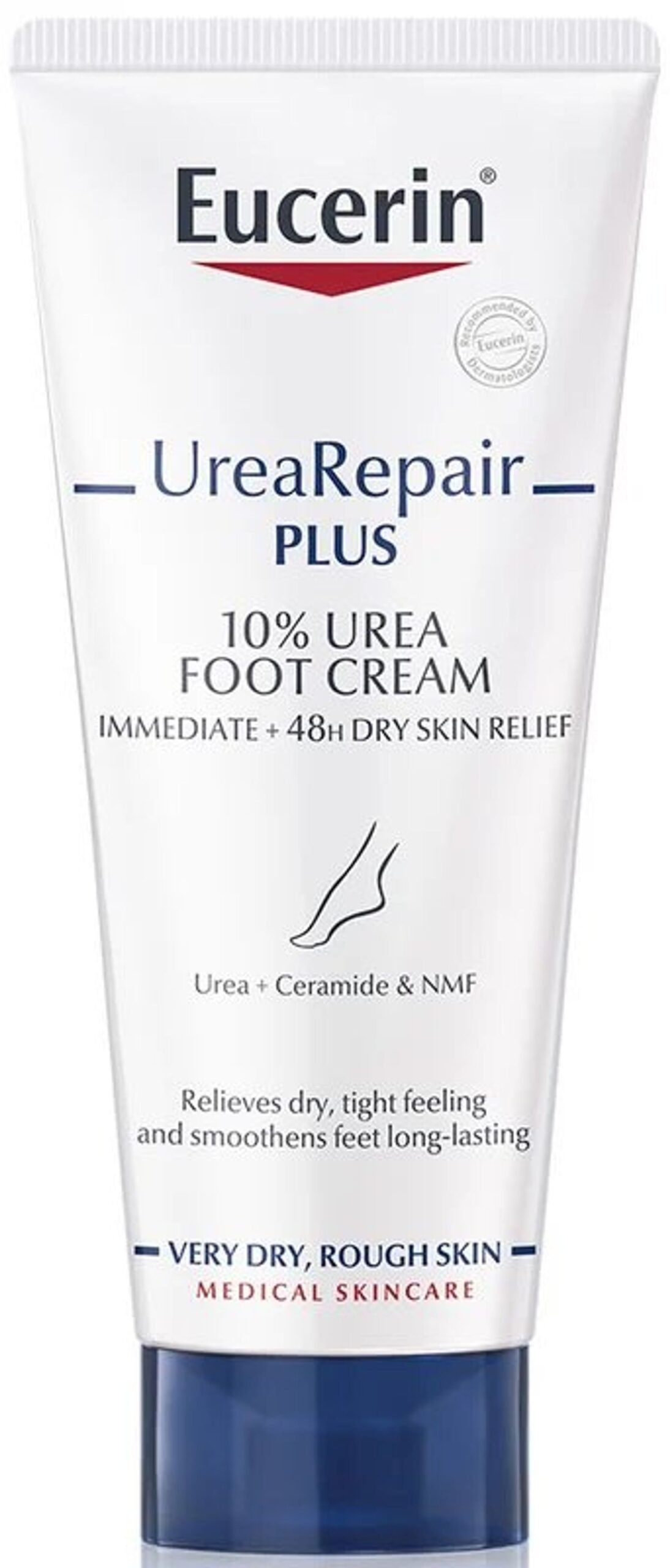
UreaRepair PLUS is the considered, dermatological end of the 10% urea class: Eucerin combines the urea with ceramide and natural moisturising factors, the water binding compounds healthy skin uses itself, so the cream exfoliates gently and repairs the barrier in the same application. That combination is why this pick suits feet that are very dry and rough but also reactive, where the high percentage treatments feel like an assault. The label promises immediate relief with a 48 hour effect, and in use it behaves that way: one application at night noticeably reduces tightness and flaking by morning, and a week of use brings most dry feet back to comfortable. The texture is a true cream, rich but not balmy, so it can be used morning and evening without living in socks, and the 100 ml tube is a sensible size for a product used on two feet rather than whole legs. It will not demolish severe callus at the pace of the 25% and 40% picks, and readers with genuinely cracked heels may want Flexitol for the heels and this for everything else. Availability is the other caveat: UreaRepair is a European pharmacy line, sold through importers in the US at variable prices. Choose it if you want the balanced daily driver of the urea category, with the strongest formulation pedigree here.
Specifications
100 ml tube
10% urea with ceramide and natural moisturising factors
immediate plus 48 hour relief claim
very dry, rough feet
Pros
Urea plus ceramide and NMF in one formula
Comfortable twice daily texture, no sock routine needed
Best suited to dry feet that are also reactive
Cons
Slower on severe callus than 25% options
US supply is through importers, prices vary
100 ml tube is modest at twice daily use
Who should buyyour feet are very dry and rough but also sensitive.
Who should skipyour heels are deeply cracked and need maximum strength first.
PurOrganica is the value route to maximum strength: a 40% urea cream with salicylic acid, sold in a plain 4 oz jar at a price well below the branded intensive treatments, and bought in large numbers by readers who use urea creams as a permanent part of foot care rather than an occasional rescue. The formula’s job is identical to the Ebanel pick, softening and shedding very hard, dry skin on heels, and it is used the same way, in a thin, precise layer on the hard areas, once or twice a day, with hands washed afterwards. Buyers typically run it as a course: two to three weeks of intensive use to clear built up callus, then a cheaper 10% cream or the Eucerin Roughness Relief below for maintenance. The brand is a small Amazon native label rather than a pharmacy name, so the packaging and presentation are plain and the quality story rests on the stated formula and a large base of repeat buyers rather than on dermatology heritage. The same strength cautions apply in full: keep it off healthy skin, open cracks and between the toes, and treat it as a targeted treatment, never a general foot lotion. Choose PurOrganica if you know 40% urea is what your heels need and you want the lowest cost per course; choose Ebanel if you prefer the more established label at the same strength.
Specifications
4 oz jar
40% urea with salicylic acid
for feet, hands, elbows and knees
intensive dry skin treatment
Pros
Maximum strength urea at the lowest course cost
Same dual action as the premium 40% pick
Jar format suits scooping for heel application
Cons
Small Amazon native brand, plain presentation
Full 40% cautions: precision application required
Treatment product, not a daily foot lotion
Who should buyyou need a 40% course for stubborn callus and price matters.
Who should skipyou want a pharmacy brand name behind a maximum strength product.
Kerasal takes a different route to the same destination: instead of a cream, it is a concentrated ointment that pairs urea and salicylic acid, the exfoliating pair, with a petrolatum base that seals the foot in an occlusive layer while the acids work. That occlusion is its distinction. Applied at night and covered with socks, the ointment keeps the softening ingredients in uninterrupted contact with hard heel skin for hours, and the brand’s claim of visible results in one day reflects how quickly the surface of dry, cracked feet looks better under that regime, with genuine softening following over the first week. The jar is small, 1 oz, but the ointment spreads thin and is meant for heels and soles rather than whole feet. In use it is greasy in the way of all ointments, so it is strictly a bedtime product, and it should not be used between the toes. Because the formula is an ointment, it also protects shallow cracks from friction while they close, though deep or bleeding fissures need care beyond cosmetics. Kerasal suits readers who have found creams too weak but flinch at the 40% jars: it is the middle path, exfoliating and sealing at once. Choose it for a night time intensive routine; choose a 10% cream if you need something wearable in shoes all day.
Specifications
1 oz jar
exfoliating moisturising ointment with urea and salicylic acid
petrolatum base
for dry, cracked feet
Pros
Occlusive ointment keeps acids working all night
Exfoliates and protects shallow cracks together
Small jar still lasts, it spreads thin
Cons
Greasy ointment texture, bedtime use only
Not for between the toes
Milder than the 40% options on severe callus
Who should buyyou want an overnight intensive that exfoliates and seals together.
Who should skipyou need a daytime cream for wear in shoes.
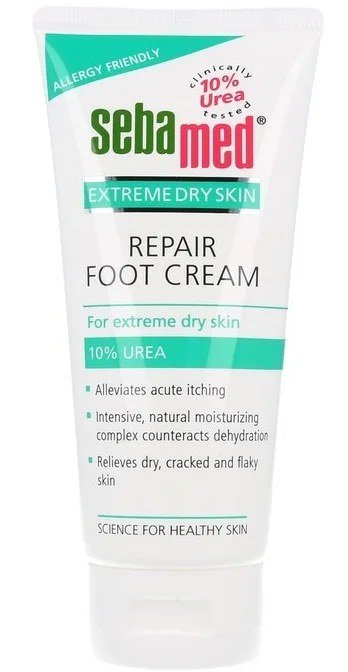
Sebamed is the German pharmacy brand built entirely on one idea, formulating at pH 5.5 to match the skin’s own acid mantle, and its foot cream applies that thinking to a stated 10% urea for extremely dry, cracked and flaky feet. The urea level puts it in the daily driver class alongside the Eucerin UreaRepair, strong enough to keep heel skin soft and prevent the build up that leads to cracking, gentle enough for twice daily use on skin that complains about stronger products. The label also promises relief from the itching that accompanies very dry feet, which users of the Extreme Dry Skin line consistently mention. Texture is a straightforward cream, absorbed in a few minutes, with the faint clinical scent of the brand. Sebamed’s positioning is unglamorous and medical, which for feet in trouble is usually the right register. The caveats are availability and pace: it is an imported line in the US, priced accordingly, and at 10% it maintains and gradually improves rather than demolishing established callus. Readers whose heels are already deeply cracked should start with Flexitol or a 40% course and keep Sebamed as the maintenance cream afterwards, which is arguably its ideal role. Choose it if you want a pH considered, pharmacy grade daily urea cream and you are willing to buy it online.
Specifications
100 ml tube
10% urea
pH 5.5 formula
for extreme dry, cracked and flaky feet
Pros
pH 5.5 formulation philosophy suits reactive skin
10% urea is the sustainable daily strength
Relieves dry skin itching as well as roughness
Cons
Imported line, US prices reflect that
Maintenance pace, not a callus demolisher
Clinical scent and presentation
Who should buyyou want a pharmacy grade 10% cream for daily maintenance.
Who should skipyou need maximum strength for established cracks right now.
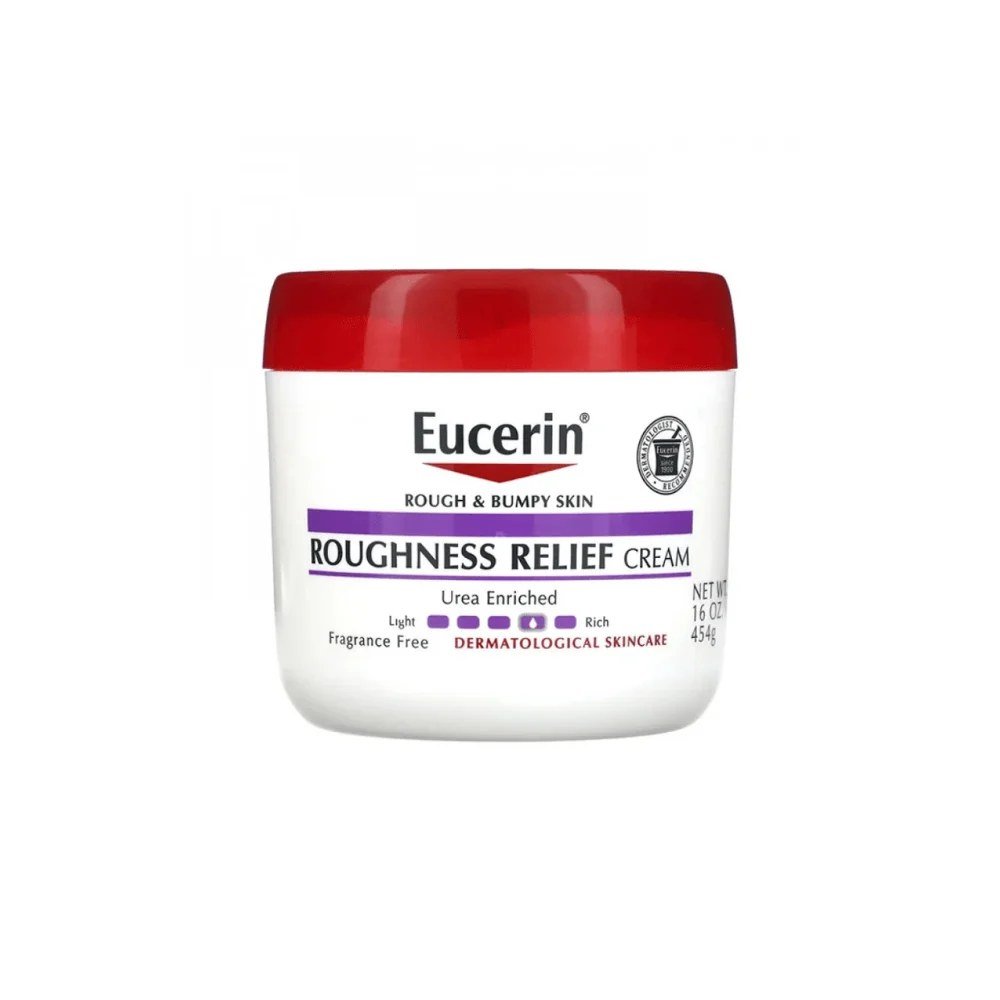
Roughness Relief is the generalist of this guide: Eucerin’s urea enriched cream for rough, bumpy skin anywhere on the body, sold in a large 454 g jar that makes it the natural choice when dry feet are part of a wider picture of rough heels, elbows, knees and shins. The urea here is at a maintenance level rather than a stated treatment percentage, supported by ceramides and sunflower seed oil in a rich, fragrance free cream, so its talent is steady improvement and prevention: used daily after showering, it keeps heel skin flexible enough that callus does not rebuild, which is the phase of foot care most people actually live in. The jar format and price per gram are the best in this guide, and one jar realistically covers a winter of whole body roughness. What it will not do is rescue already cracked heels at any speed; the urea load is simply not in the Flexitol class, and readers starting from cracked skin should treat this as phase two. The cream is rich enough to need a minute before socks, and the open jar format is less hygienic than a tube over months of use. Choose Roughness Relief if your feet are dry and rough rather than cracked, or as the maintenance cream that follows an intensive course, where its size and price make daily use effortless to sustain.
Specifications
454 g jar
urea enriched formula with ceramides
fragrance free
full body cream for rough, bumpy skin
Pros
Biggest jar and best price per gram in the guide
One product covers feet and all rough body areas
Fragrance free with ceramides
Cons
Maintenance urea level, too gentle for cracked heels
Open jar format over months of use
Rich texture needs a minute before socks
Who should buyyour feet are rough and dry rather than cracked, or you are maintaining after a treatment course.
Who should skipyour heels are currently cracked and painful.
Ureadin Podos is the texture outlier in this guide, and for some readers that will make it the winner: ISDIN, the Barcelona pharmacy brand, formulates its 10% urea as a gel oil, a clear, silky gel that spreads like an oil and absorbs like a gel, leaving none of the white cream residue or sock soaking richness of the other picks. That matters more than it sounds. A large share of foot cream failure is simple distaste, and a product that can be applied in the morning, absorbs in a couple of minutes, and goes straight into shoes gets used, which at 10% urea is the whole battle. The formula is positioned for dry, rough feet and the prevention of the thickened skin that leads to cracks, and it performs that maintenance role well, with the added comfort that the gel oil texture massages in pleasantly over the whole foot, not just the heels. It is not the tool for established cracks or heavy callus, where the balms and 40% creams earn their place, and the 75 ml tube is the smallest here, so twice daily whole foot use runs through it quickly at a pharmacy price. US availability is through importers and the brand’s own channels. Choose Ureadin Podos if texture has defeated every foot cream you have tried; it is the pick most likely to still be in use in a month.
Specifications
75 ml tube
10% urea
gel oil texture
Spanish pharmacy foot care
Pros
Gel oil texture absorbs cleanly, wearable in shoes
10% urea in a format people actually enjoy using
Whole foot application, not just heels
Cons
Maintenance strength, not for established cracks
Smallest tube in the guide
Import pricing in the US
Who should buyyou abandon rich foot creams because of how they feel.
Who should skipyour heels are cracked now and need intensive repair.
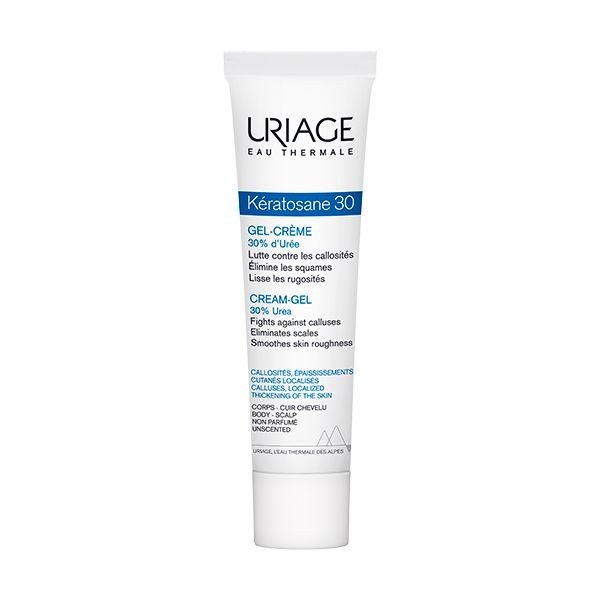
Kératosane 30 is the precision instrument in this guide: a small 40 ml tube of gel cream at 30% urea, made by the French pharmacy brand Uriage for localised areas of thickened skin, the heel rim callus, a hard patch on the ball of the foot, the stubborn ridge where shoe friction builds skin faster than it sheds. At 30%, the urea is a genuine keratolytic, softening and loosening the hard plate so it can be gently filed and gradually normalises, and the small tube reflects its intended use, pea sized amounts on defined patches, not whole feet. The gel cream texture is more elegant than the big urea jars, non greasy once absorbed, and the formula sits in Uriage thermal water, the brand’s soothing base, which takes some of the edge off a high percentage. Used once daily on the patch, most readers see the hard edge soften within one to two weeks. The cautions match the strength: keep it precisely on the thickened area, off normal skin, open cracks and between toes, and stop if the surrounding skin becomes sore. The price per millilitre is the highest here, justified only by the targeted role. Choose Kératosane when your problem is one or two defined callus patches rather than general dryness; choose a 10% cream when the whole foot needs care.
Specifications
40 ml tube
30% urea
localised treatment for thickened skin and calluses
Uriage thermal water base
Pros
30% urea aimed precisely at localised callus
Elegant gel cream, not a greasy jar treatment
Pharmacy brand with a soothing thermal water base
Cons
Highest price per millilitre in the guide
Precision application only, not a whole foot cream
Too strong for general dry skin maintenance
Who should buyyou have one or two defined, stubborn callus patches.
Who should skipyour whole foot is dry and needs daily care.
Foot cream is a concentrated moisturiser built for the thickest, driest skin on the body: heels and soles that crack, catch on socks and see pressure all day. It is stronger medicine than body lotion by design, usually built on urea.
Urea is the headline ingredient to look for: at around ten percent it hydrates intensely, and at higher strengths it also softens and dissolves thickened callus skin. Lactic acid and rich occlusives such as lanolin or petrolatum support it. That softening action is why foot cream is kept for feet; on thinner skin the same strength can sting. Deep or bleeding cracks, and any foot problem with diabetes, belong to a clinician, not a cream.
How to Choose: the Criteria That Matter
Choosing body care well means matching the active to the concern and the texture to the severity. Bumps need a keratolytic active, cracks need urea and occlusion, plain dryness needs humectants and consistency. Read the ingredient list for the one active your concern calls for, choose a format you will genuinely use daily, and give texture problems a month of consistency before judging.
The texture your skin needs: lotion for mild dryness, cream or ointment style richness for severe dryness
Texture follows severity. Mild dryness maintains well on a lotion; established dryness needs a cream; cracked, thickened areas need ointment weight richness or an active formula. Buying too light a texture for the problem is the commonest waste in this category.
Key ingredients for the job, such as urea or lactic acid for roughness and ceramides for barrier support
Ingredients do the work: urea and lactic acid for roughness and bumps, ceramides and petrolatum for barrier repair, salicylic acid for body breakouts. A pleasant smell is not an ingredient strategy, so read the list for the active your concern actually needs.
Fragrance position, since body products are a common trigger for sensitive skin
Body products cover the largest skin area you own, which makes them the most likely trigger for fragrance sensitivity. If skin reacts to products generally, the fragrance free version of the same formula is the buy.
Application area and skin thickness: heels and elbows need stronger formulas than arms and legs
Skin thickness varies by site: heels, elbows and knees tolerate and need stronger formulas than the inner arm or chest. One product rarely serves the whole body optimally, and targeted products for feet and hands earn their separate place.
How it fits a shower routine, because the best body product is the one used daily
A body routine survives on convenience: a pump by the shower beats a beautiful jar in a cupboard. Choose the format you will use daily, because in body care consistency outperforms potency.
Also Considered
These products were researched for this guide and left off the picks list for the reasons given. They are not poor products; they simply fit the exact question of this guide less well.
AmLactin Intensive Healing Cream 15% Lactic Acid
A dermatologist favourite for dry, rough feet that appears elsewhere on this site, but it exfoliates with lactic acid and contains no urea, so it fails this guide’s title. Readers happy to switch acid families will find it excellent.
O’Keeffe’s Healthy Feet Foot Cream
One of the best selling foot creams in the world and a fine occlusive moisturiser, but its formula is glycerin based with no urea, so it is listed here honestly rather than counted as a urea pick.
How to Use What You Buy
Apply moisturiser within a few minutes of showering, on skin that is still slightly damp
Use enough to cover the area in a thin, even film rather than spot treating
For exfoliating products, start once or twice a week and build as skin tolerates
Give rough areas such as heels a nightly application, with socks to protect bedding
Allow four weeks of consistent use before judging texture problems like bumps
Body care works on shower logic: exfoliate a few times a week, moisturise within minutes of washing while skin is still damp, and give targeted areas a nightly treatment. That rhythm, kept for a month, changes skin more than any single premium product used sporadically. Keep the products where the routine happens, at the shower and the bedside, not in a cabinet.
Apply nightly to clean feet, ideally after a shower or soak, and wear cotton socks to keep the cream working and off the sheets. Most heels improve visibly in two to three weeks of nightly use.
Who Should Buy, and Who Should Skip
Buy if your need matches this guide exactly: you are looking for options for dry feet with urea, you have checked the criteria above against your current routine, and you are willing to introduce the product gradually and judge it over the period the category needs.
Skip if your concern is different from the one in the title, your skin or hair is currently irritated or damaged and needs recovery first, or a clinician has advised you on this concern, in which case their advice comes before any buying guide.
Common Mistakes in Foot Cream
Moisturising dry skin hours after showering, when the water has already escaped
Scrubbing rough or bumpy skin harder instead of using the right active ingredient
Applying exfoliating acids to broken, shaved or sunburnt skin
Stopping after a week when texture concerns respond over a month
Using regular body lotion on cracked heels and concluding creams do not work, when the active strength is the difference
Filing or cutting into deep cracks at home, which risks infection; soften and moisturise, and see a professional for deep fissures
Frequently Asked Questions
How do I choose the right foot cream?
Start with the criteria in this guide: match the formula or specification to your skin type and the exact concern in the title, check the published ingredient or specification list, and pick the option whose downsides do not overlap with your problem. The type decision comes first: most disappointment in foot cream is a good product bought in the wrong type.
How long before I see results from a foot cream product?
It depends on the category, but most body care products need consistent use over several weeks before a fair judgement. Devices and treatments state their expected course in the manual or on the packaging, and that timeline is the one to follow. Judge on the category’s clock, not on the first week.
What should I avoid when buying for dry feet with urea?
Avoid buying on claims alone: skip options with no published ingredient or specification list, strengths far beyond what your routine needs, and any product whose stated downsides match the exact issue you are trying to fix. Also avoid changing two other parts of your routine in the same week, which makes the new product impossible to judge.
Is the most expensive option always the best?
No. In foot cream, price often reflects branding, packaging and extras rather than the core ingredient or specification doing the work. The criteria in this guide matter more than the price band, and mid priced options with the right specification beat premium options with the wrong one.
What is the most common mistake with foot cream?
Using regular body lotion on cracked heels and concluding creams do not work, when the active strength is the difference A close second: filing or cutting into deep cracks at home, which risks infection; soften and moisturise, and see a professional for deep fissures
How does foot cream fit into a daily routine?
Apply nightly to clean feet, ideally after a shower or soak, and wear cotton socks to keep the cream working and off the sheets. Most heels improve visibly in two to three weeks of nightly use. Body care works on shower logic: exfoliate a few times a week, moisturise within minutes of washing while skin is still damp, and give targeted areas a nightly treatment.
How Long to Use Athletes Foot Cream for Ringworm?
The companion how-to guide, How Long to Use Athletes Foot Cream for Ringworm, covers this in full: the step by step method, the right amounts and frequency for your type, and the mistakes that stop it working. It is linked from the routine sections of this page, and it is the right next read once you have chosen a product.
By Mirror & Glow Editorial Desk – November 23, 2026
Urea is the headline ingredient to look for: at around ten percent it hydrates intensely. This guide applies that to how long to use athletes foot cream for ringworm: the method, the timing, and the traps to avoid.
By Mirror & Glow Editorial Desk – November 23, 2026
How Often to Put Athletes Foot Cream on Ringworm? The short answer first, then the detail: apply nightly to clean feet, ideally after a shower or soak, with timing, amounts and the errors that stop it working.
By Mirror & Glow Editorial Desk – November 23, 2026
The direct answer to can you use body lotion as foot cream, with the background explained: foot cream is a concentrated moisturiser built for the thickest. Step by step method, routine placement and FAQs.