By Mirror & Glow Editorial Desk – November 23, 2026
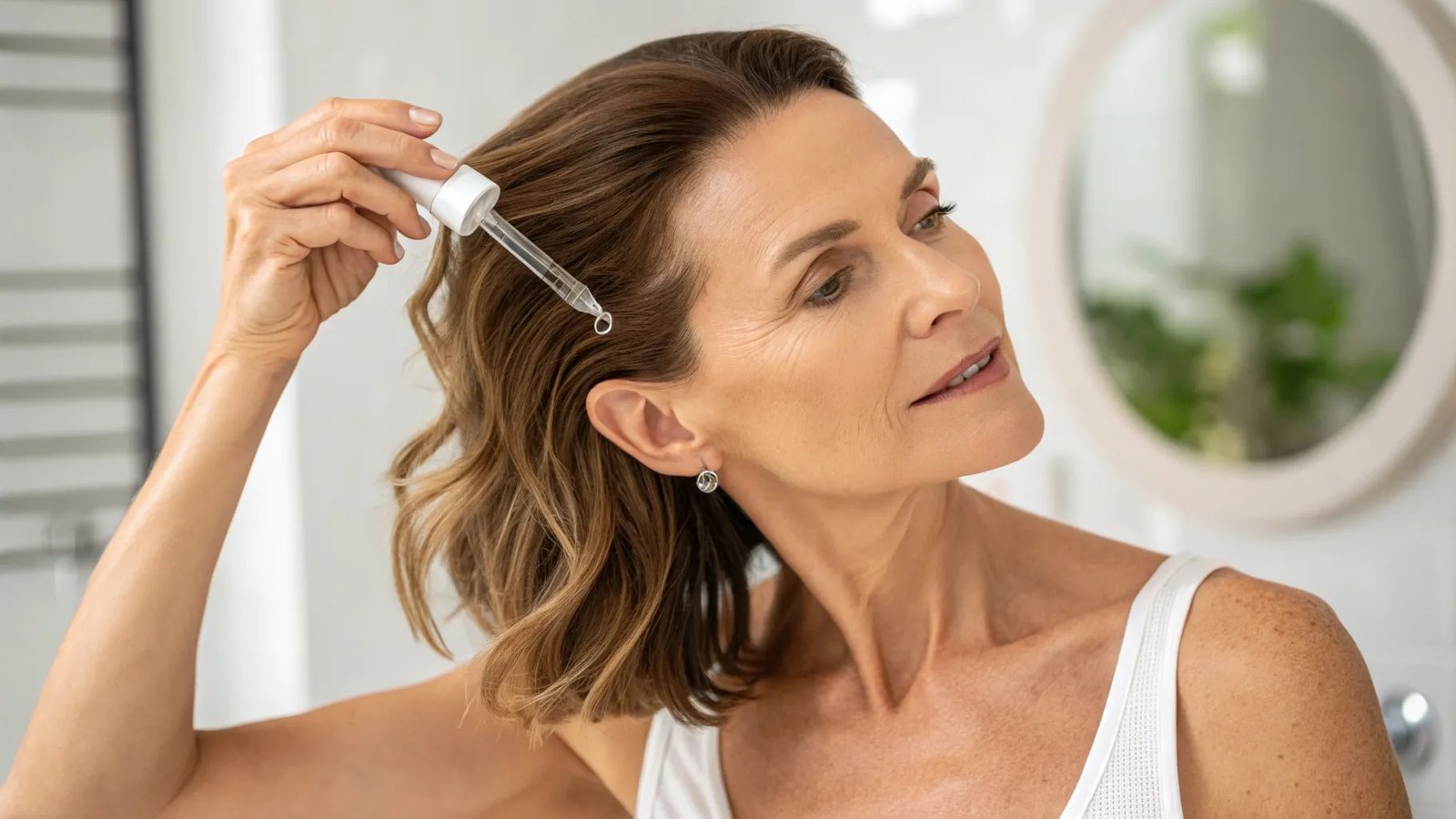
Mature woman applying a dropper treatment along her hairline in a bathroom.
Affiliate disclosure: Mirror & Glow may earn a commission from qualifying purchases made through links on this page, at no extra cost to you. Full disclosure.
The verdict up front: start with Nutrafol Women Balance, the strongest all round match in this line up for thinning hair due to glp 1. Every pick is compared in the table below, then reviewed in full with its downsides as well as its strengths.
If you are looking for the best products for thinning hair due to glp 1, the right choice depends on fit, not hype. This guide is written for thinning hair due to glp 1, and every criterion below is weighted for that need first. The short answer: choose the products whose formula, format and strength match your hair, check the ingredient or specification list before the marketing claims, and avoid the options whose downsides match the problem you are trying to solve.
What matters most in thinning hair is covered in depth below: what the product actually is, the types on sale and how they differ, the buying criteria explained one by one, how to use what you buy, and the mistakes that waste the most money in this category.
Best Products for Thinning Hair Due to Glp 1 Compared
Product
Standout Point
Key Specification
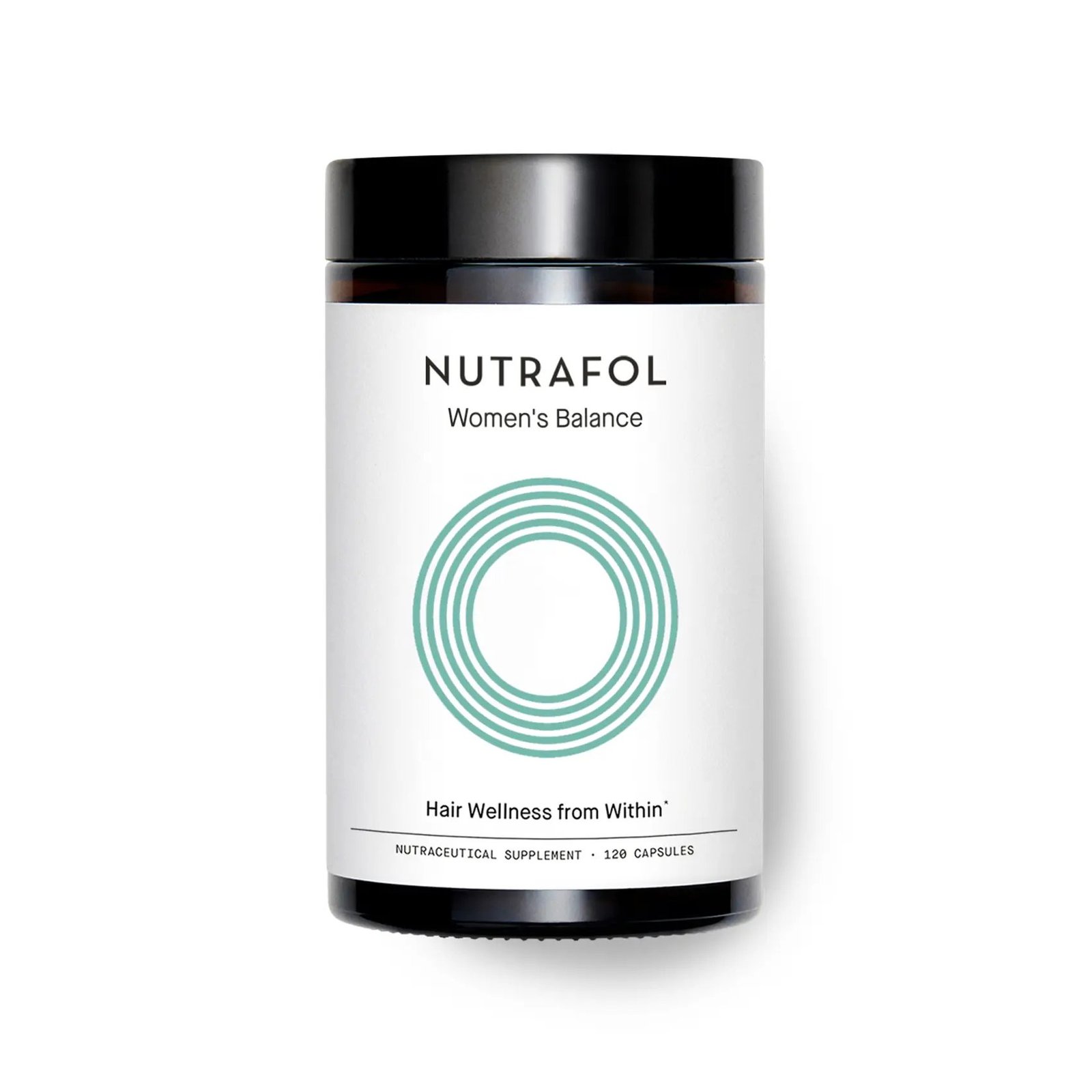
Nutrafol Women BalanceTop Pick
Formulated for women 45 plus, the core GLP-1 group
120 capsules, one month supply – Sensoril ashwagandha and saw palmetto – curcumin, maca and astaxanthin – formulated for women 45 plus – drug free supplement
Three step kit: shampoo, conditioner and leave in treatment – niacinamide, biotin and caffeine – for natural hair with progressed thinning – salon system
Hair shedding after starting a GLP-1 medicine is usually telogen effluvium: rapid weight loss and reduced food intake push more follicles into the shedding phase at once, typically two to four months after the change, and the hair that sheds is replaced as the body stabilises. No supplement changes that cycle, and this guide will not pretend otherwise. What readers in this situation actually shop for is nutritional and stress support while it runs its course, and Nutrafol Women Balance is the most considered option in that space. It is formulated for women of 45 and over, the group heavily represented among GLP-1 users, with Sensoril ashwagandha for stress hormones, saw palmetto and curcumin, maca for hormone change, and astaxanthin as an antioxidant, in four capsules a day. The brand funds clinical studies of its formulas and publishes them, which puts it ahead of most of the supplement shelf, though the studies are the brand’s own. The cautions matter more here than in any other guide. GLP-1 users are often managing blood sugar, thyroid treatment or other medication, and supplements are not inert: show the label to your prescriber or pharmacist before starting, and treat protein, iron and overall intake, checked with your clinician, as the foundation this sits on. It is also expensive, and results, if they come, are judged over three to six months. Bought with clear eyes and medical clearance, it is the supplement pick of this guide.
Specifications
120 capsules, one month supply
Sensoril ashwagandha and saw palmetto
curcumin, maca and astaxanthin
formulated for women 45 plus
drug free supplement
Pros
Formulated for women 45 plus, the core GLP-1 group
Published clinical studies behind the formula
Addresses stress and hormone change angles together
Cons
Expensive, four capsules daily
Must be cleared with your prescriber first
Cannot shorten a telogen effluvium cycle
Who should buyyou are over 45, your shedding followed rapid weight loss, and your clinician is happy for you to take it
Who should skipyou want a guaranteed regrowth timeline, which no supplement can offer
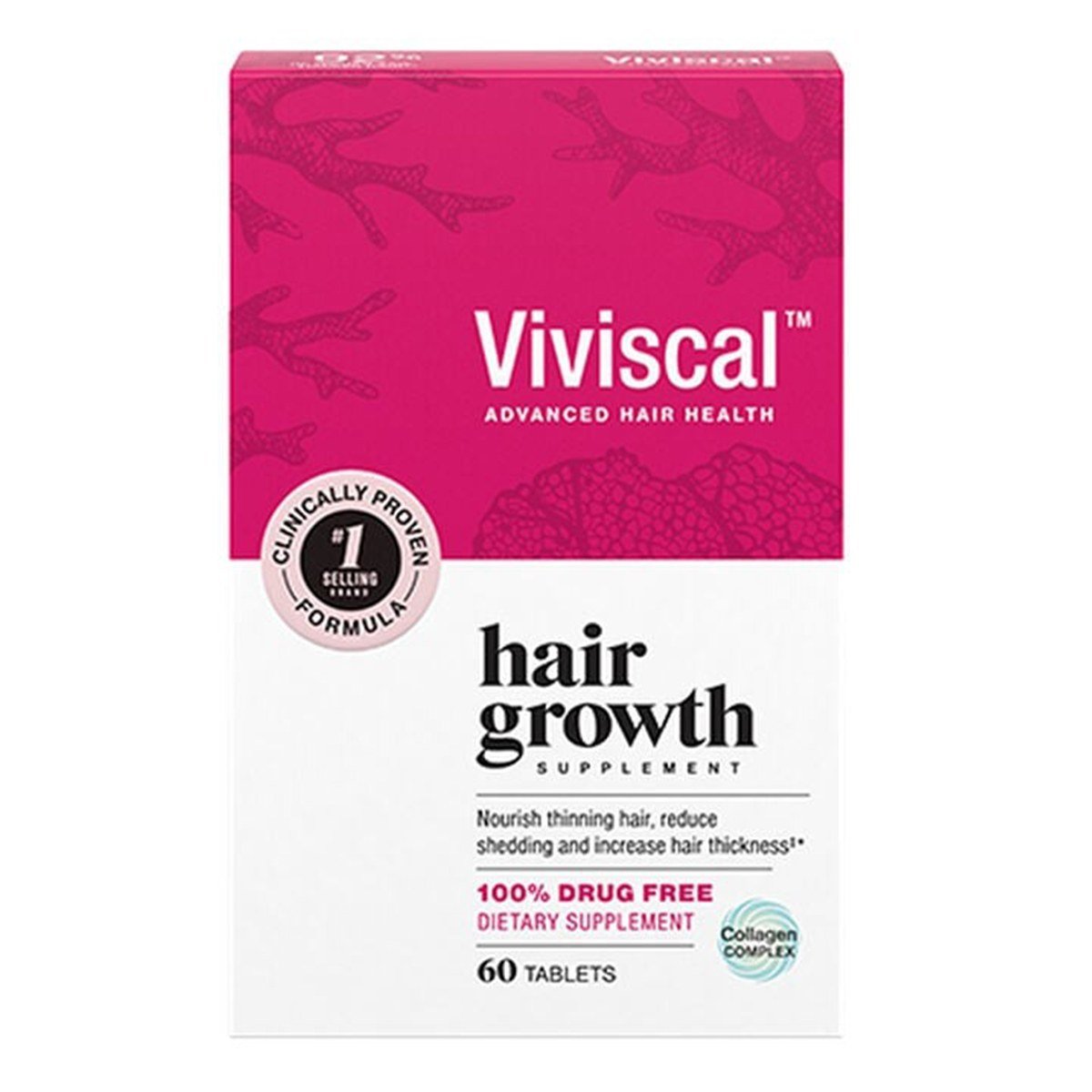
Viviscal is the other supplement with a genuine research history in this guide, built on AminoMar, a marine protein complex developed from studies of fish rich diets and hair quality, combined with biotin, zinc, vitamin C and a modest amount of iron. The formula has been tested in published clinical trials on women with thinning hair, which separates it from the gummy shelf, and the twice daily tablet routine is simpler than four capsule regimens. For GLP-1 related shedding its relevance is nutritional: users eating far less often run low on protein and iron, two inputs hair is quick to sacrifice, and a supplement that includes iron alongside marine protein speaks directly to that gap. That is also why the standing advice in this guide applies with full force: shedding on a GLP-1 medicine deserves a blood panel conversation with your clinician, because if ferritin or protein intake is the driver, correcting the actual deficiency beats any branded tablet. Viviscal is not suitable for anyone with a fish or shellfish allergy, it is not for use in pregnancy, and it should be kept apart from certain antibiotics and thyroid medication timing, all of which your pharmacist can check in a minute. Judged over three to six months, it is the more affordable of the two studied supplements here, and the one to choose if the marine complex approach and simpler dosing appeal. Expect support for the hair you are growing, not rescue of the hair already in the shedding phase.
Specifications
60 tablets, one month supply
AminoMar marine protein complex
biotin, zinc and vitamin C
iron included
twice daily tablets
Pros
Published trials behind the AminoMar complex
Includes iron, relevant when eating much less
Simple twice daily tablets, mid price
Cons
Not suitable with fish or shellfish allergy
Deficiency testing matters more than any tablet
Three to six months before fair judgement
Who should buyyou want a studied supplement with iron included and a simple tablet routine
Who should skipyou have a fish or shellfish allergy, or you are pregnant
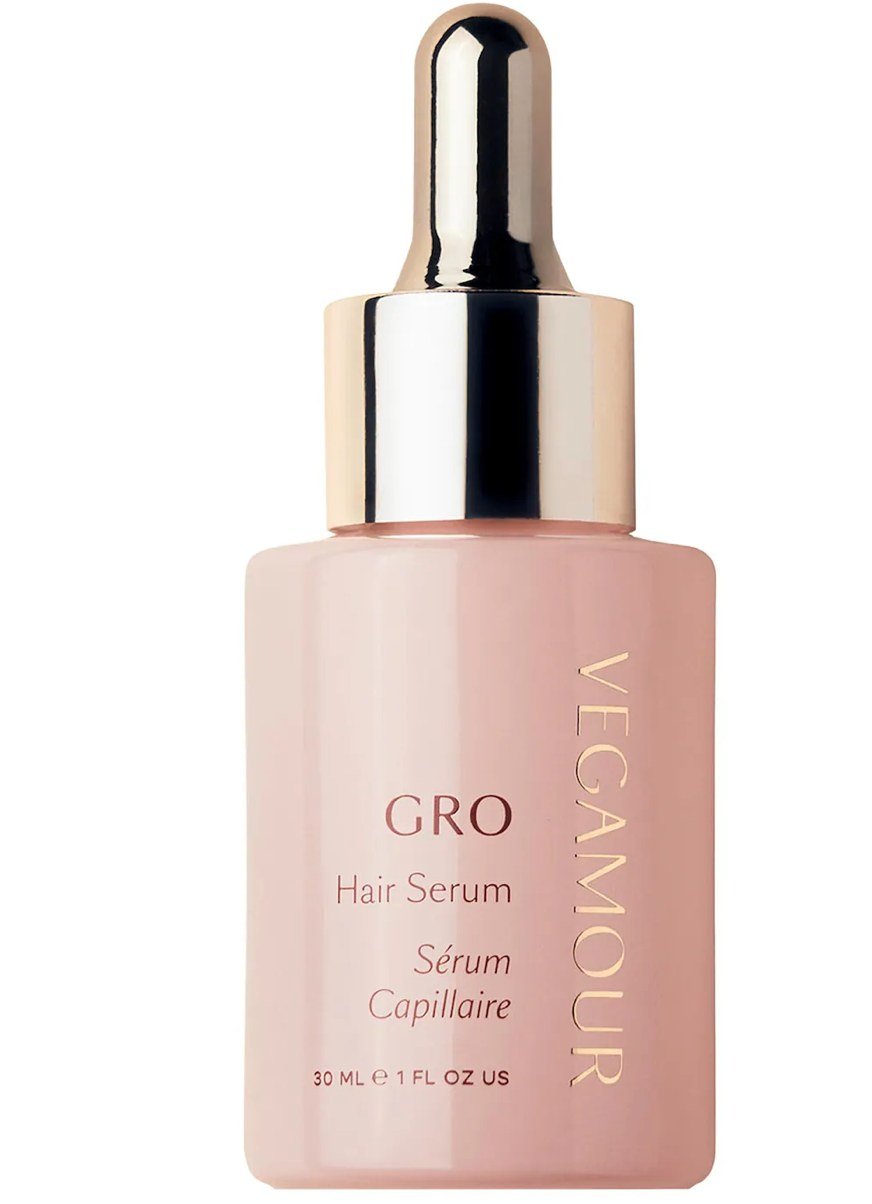
A scalp serum cannot stop telogen effluvium, and Vegamour, to its credit, markets GRO around the appearance of density and reduced shedding rather than drug style regrowth. For GLP-1 readers that framing fits the real need: while the shed runs its course, the goals are to keep the scalp in good condition, minimise additional shedding from breakage and irritation, and make regrowing hair look as full as possible. GRO is a light, water based daily serum with mung bean and red clover sprout extracts, curcumin and caffeine, applied by the dropperful to the scalp once a day and massaged in. It is vegan, colour safe and non greasy, so it disappears into the routine of someone already managing a weekly injection and a new diet without adding an oily scalp step. The brand cites consumer perception studies for its density claims, which should be weighed as perception, not clinical regrowth data. In practice users like the clean feel, the lack of residue on fine hair, and a scalp that feels calmer. The limits: it is a premium priced 30 ml bottle that lasts about a month, the botanical evidence base is thinner than the marketing suggests, and it will do nothing visible while shedding is at its peak, because the follicles affected by the weight loss shift are not reachable by a cosmetic. As a gentle, pleasant holding measure for the regrowth phase, it is the serum most readers here will actually enjoy using daily, and consistency is the only way any of these products earn their money.
Specifications
1 fl oz dropper bottle
mung bean, red clover and curcumin
caffeine
vegan daily scalp serum
colour safe
Pros
Light, non greasy, easy daily habit
Honest density and shedding framing
Vegan and colour safe formula
Cons
Premium price for a one month bottle
Evidence is consumer perception level
No effect on shedding already in motion
Who should buyyou want a clean daily scalp serum to support the regrowth phase without grease or residue
Who should skipyou expect a serum to stop GLP-1 shedding at its peak
If the supplement prices in this guide made your eyes water, this is the counterweight: The Ordinary packs four named cosmetic active complexes, REDENSYL, Procapil, CAPIXYL and BAICAPIL, plus caffeine, into a 60 ml bottle that costs less than a takeaway lunch and lasts two to three months of daily scalp use. Each complex is a supplier tested blend of peptides and plant extracts aimed at the look of density and the anchoring of hair in the follicle, and while supplier studies are not drug trials, this is the same ingredient technology that premium serums charge five times more to deliver. For GLP-1 shedding the role is the same as every cosmetic here: support the scalp, reduce the breakage that makes thinning look worse, and be there for the regrowth phase, not to interrupt the shed itself. The formula is a thin, watery leave in applied a few drops at a time to a clean scalp, ideally in the evening. It can leave a slight residue if you over apply, and the dropper invites over application, so restraint is the skill to learn. There is no fragrance and no oiliness, which fine haired readers appreciate. It will not outperform the expensive serums on experience, and its ingredient percentages beyond caffeine are not published, which is the usual Ordinary trade. As the low cost way to run a daily peptide serum for the six months a GLP-1 shed and regrowth cycle takes, nothing else in this guide is close, and it is the pick we would start with before spending more.
Specifications
60 ml dropper bottle
REDENSYL, Procapil, CAPIXYL and BAICAPIL complexes
caffeine 1 percent
twice the size of most serums
budget price
Pros
Four named active complexes at a budget price
Large 60 ml bottle lasts months
Fragrance free, watery, no oily residue
Cons
Percentages beyond caffeine unpublished
Easy to over apply and leave residue
Supplier level evidence, not clinical trials
Who should buyyou want a daily peptide scalp serum for the regrowth months without premium pricing
Who should skipyou want published percentages and clinical trial backing
Nioxin is the salon system’s answer to thinning, and Kit 2, for natural hair with progressed thinning, is the relevant box when GLP-1 shedding has moved past the first wispy stage and the scalp is showing through. The kit is a three step routine: a cleansing shampoo that clears sebum and build up from the follicles, a lightweight conditioner that works on the scalp as well as the lengths, and a leave in scalp treatment carrying niacinamide, biotin and caffeine. Used together at least three times a week, the system’s honest mechanism is environmental and cosmetic: a cleaner scalp, less breakage, and hair that sits apart at the root so it looks denser, with the brand citing visible results in 30 days for the system. That is a fair offer for shedding that is fundamentally temporary, because it improves how the hair you have presents while the follicles reset. The disclosures belong here too. The shampoo contains sulfates and fragrance, the treatment can tingle and occasionally flush the scalp briefly from its niacin type ingredients, and the conditioner in the trial kit runs out before the shampoo, which everyone who has used Nioxin knows. Choose Kit 1 instead if thinning is light, and the colour treated equivalents, kits 3 and 4, if your hair is dyed. As a structured, salon proven routine for noticeable thinning, it is the most complete wash based option in this guide.
Specifications
Three step kit: shampoo, conditioner and leave in treatment
niacinamide, biotin and caffeine
for natural hair with progressed thinning
salon system
Pros
Complete three step system, nothing else to buy
Targets scalp build up and breakage together
Thirty years of salon use behind the brand
Cons
Shampoo contains sulfates and fragrance
Treatment can tingle or flush the scalp
Kit bottles empty at different rates
Who should buyyour thinning is progressed and visible, and you want a complete salon system rather than single products
Who should skipyour hair is colour treated, where kits 3 and 4 are the matching versions
PURA D’OR Original Gold Label Anti-Hair Thinning Biotin Shampoo
This is the shampoo that dominates the online thinning shelf, a big 16 ounce pump bottle built on biotin and a 17 ingredient proprietary herbal blend that includes nettle leaf extract, black cumin seed oil and saw palmetto, ingredients traditionally used to oppose the hormone linked pattern of thinning. GLP-1 shedding is not hormone pattern thinning, and this guide flags that distinction because it decides what a shampoo can do for you: no wash off product reaches the follicle long enough to change a shedding cycle. What a good shampoo can do during a shed is cleanse gently without stripping fragile regrowth, reduce the breakage that shedding hair can ill afford, and keep the scalp comfortable, and on those terms the Gold Label performs well. It is sulfate free, built on an aloe and argan oil base rather than harsh detergents, lathers moderately and leaves hair feeling thicker at the root, an effect users consistently report and which matters cosmetically when density is down. The herbal DHT framing is the brand’s, and the evidence for topical botanicals is modest, so buy it as a gentle, strengthening shampoo, not a treatment. The scent is herbal and medicinal to some noses, the pump bottle is bulky in a shower caddy, and very oily scalps may find it under cleansing. Priced fairly for its size and constantly discounted, it is the shampoo pick for readers who want one simple change in the shower while the shed resolves, and who would rather spend the serious money on blood tests and protein.
Specifications
16 fl oz pump bottle
biotin and herbal DHT blocker blend
nettle, pumpkin seed and black cumin seed
sulfate free
argan oil base
Pros
Gentle sulfate free cleanse for fragile regrowth
Large bottle, frequently discounted
Hair feels thicker at the root after washing
Cons
Botanical DHT claims outrun the evidence
Herbal scent divides opinion
Oily scalps may find it under cleansing
Who should buyyou want one gentle, strengthening shampoo change while shedding runs its course
Who should skipyou are looking for a shampoo that can stop the shed itself
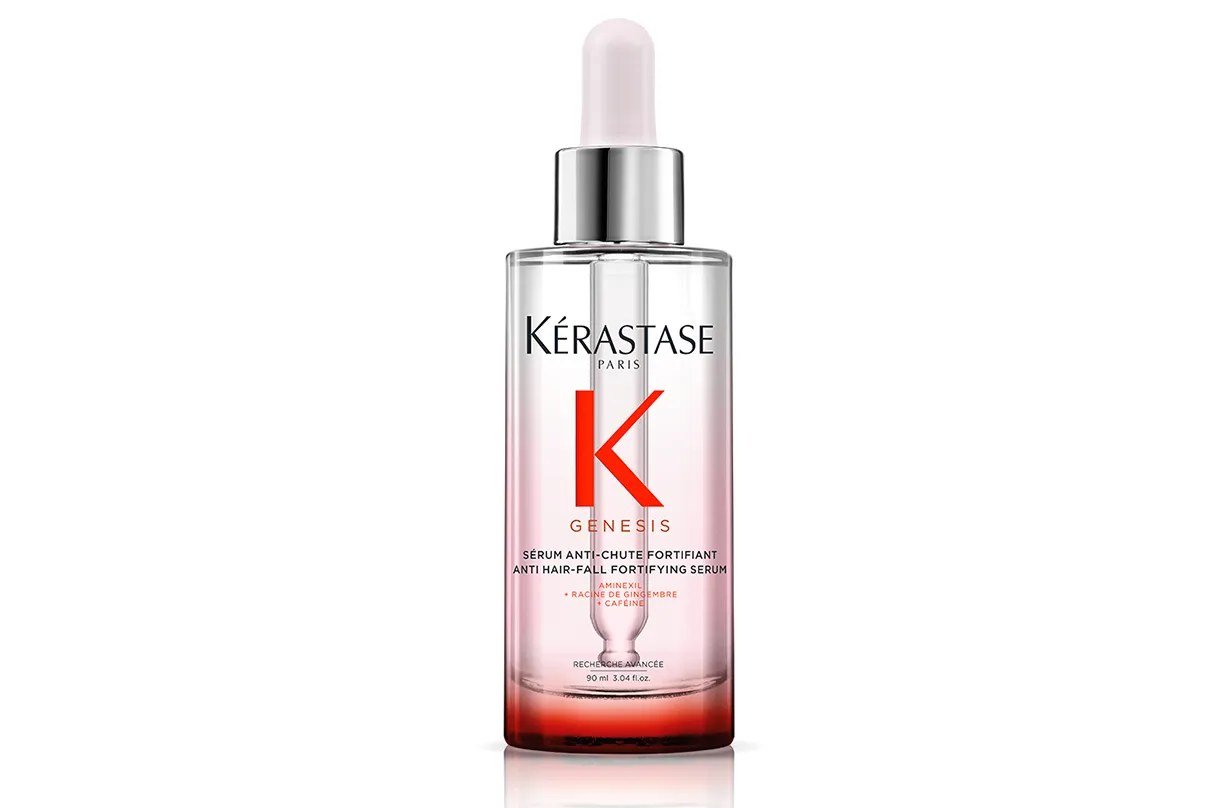
Genesis is Kérastase’s line for hair fall rooted in breakage and weakened anchoring, and this daily scalp serum is its centrepiece. The formula leads with Aminexil at 1.5 percent, an ingredient developed to keep the collagen around the follicle supple so hair stays anchored rather than loosening early, supported by ginger root extract and caffeine. In the GLP-1 context that anchoring story is relevant to the second half of the problem: once the initial shed passes, the hair that remains and regrows is often finer and more fragile, and a serum aimed at keeping it in place and reducing fall from brushing addresses the phase readers find most discouraging. The serum is applied section by section with the pipette, a few drops massaged into the scalp daily, and it dries clean with the line’s refined floral fragrance. It is a salon luxury product and priced as one, though the 90 ml bottle lasts longer than most serums here. The boundaries are the usual ones, stated plainly: Aminexil is a cosmetic ingredient, not minoxidil, whatever the similar name suggests, and no scalp serum reverses telogen effluvium triggered by rapid weight loss. Kérastase’s own claims are about hair fall from breakage, which is the honest lane for this product. Readers who enjoy a premium ritual and want the regrowth phase supported by the best formulated cosmetic in the guide will be happy here; budget readers get similar intent from The Ordinary at a tenth of the price.
Specifications
90 ml pipette bottle
Aminexil 1.5 percent
ginger root and caffeine
daily scalp serum
anti hair fall line for weakened hair
Pros
Aminexil 1.5 percent targets hair anchoring
Large 90 ml bottle, clean drying serum
Premium formulation and ritual feel
Cons
Luxury price for a cosmetic ingredient
Not minoxidil, despite the similar name
Fragranced, which some scalps dislike
Who should buyyour shed has passed its peak and you want premium support for fragile regrowth
Who should skipyou are still in the first heavy shedding weeks and expect a serum to halt it
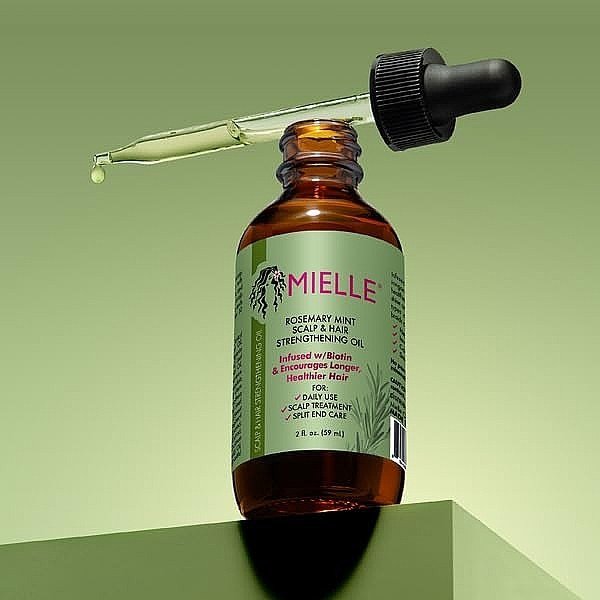
Mielle Rosemary Mint Scalp & Hair Strengthening Oil
Mielle’s rosemary oil became a phenomenon on the strength of one widely shared study in which rosemary oil performed comparably to a minoxidil solution for pattern hair growth over six months, and while GLP-1 shedding is a different condition entirely, the oil has a sensible supporting role here: scalp massage with a light oil improves the local environment, the ritual itself reduces the stress of watching hair shed, and the oil conditions fragile regrowth and reduces breakage along its length. The formula blends rosemary and mint oils with biotin and a long list of carrier oils and extracts in a 2 ounce dropper bottle that sells at a budget price, and it is designed to be massaged into the scalp and left, or used sparingly on the ends. A few drops are genuinely enough; the most common complaint about this product is self inflicted, from using it like a finishing oil and ending up greasy. The cautions are real. Essential oils can irritate sensitive scalps, so patch test and dilute if your scalp reacts, the minty scent is strong, and the study behind the fame concerned pattern thinning in men, not weight loss shedding, so expectations should stay at the supportive level this guide assigns to every cosmetic here. For readers who want an active, hands on ritual at the lowest price in the guide, and who will actually keep it up for the months regrowth takes, this little bottle earns its following honestly.
Specifications
2 fl oz dropper bottle
rosemary and mint oils
biotin
over 30 essential oils and extracts claim
budget price
for all hair types
Pros
Budget price, a little goes far
Massage ritual supports scalp and regrowth care
Conditions fragile new growth against breakage
Cons
Essential oils can irritate sensitive scalps
Famous study was pattern thinning, not shedding
Easy to over apply and end up greasy
Who should buyyou want an affordable scalp massage oil to support the regrowth phase
Who should skipyour scalp is sensitive or reactive to essential oils
Divi is the clean beauty entry in this guide, a daily scalp serum from a brand built entirely around scalp health, formulated with copper tripeptide 1, caffeine, tea tree oil, rosemary and amino acids, and made without the long list of ingredients clean beauty readers avoid. Copper peptides are the interesting inclusion: they are studied in skin care for supporting the tissue environment, and in a scalp serum they represent the follicle environment approach, keeping the scalp balanced and comfortable so the hair cycling through it is not additionally stressed. For GLP-1 users, whose shedding is temporary and whose priority is not to add irritation, breakage or build up to a scalp already producing thinner regrowth, a light, clean, non greasy serum used once a day is a sensible shape of product. Divi absorbs quickly, layers under styling, and the dropper makes targeted application along the parting and hairline, where GLP-1 thinning shows most, straightforward. The limits mirror the category: the evidence is ingredient level and anecdotal rather than clinical, the bottle is a small 30 ml at a mid premium price, and tea tree, while low in the formula, is still an essential oil for the highly reactive to note. Nothing here will shorten the shed. What it offers is a pleasant, modern, scalp first routine from a specialist brand, and for readers who read ingredient lists closely and want that philosophy, Divi is the natural pick of this line up.
Specifications
1 fl oz dropper bottle
copper tripeptide 1 and caffeine
tea tree oil and amino acids
clean, cruelty free
daily scalp serum
Pros
Copper peptide and caffeine scalp focus
Clean formula, light and non greasy
Dropper suits hairline and parting application
Cons
Ingredient level evidence, no trials
Small bottle at a mid premium price
Contains tea tree, a note for reactive scalps
Who should buyyou read ingredient lists and want a clean, scalp first serum for the regrowth phase
Who should skipyou want clinical trial evidence behind your purchase
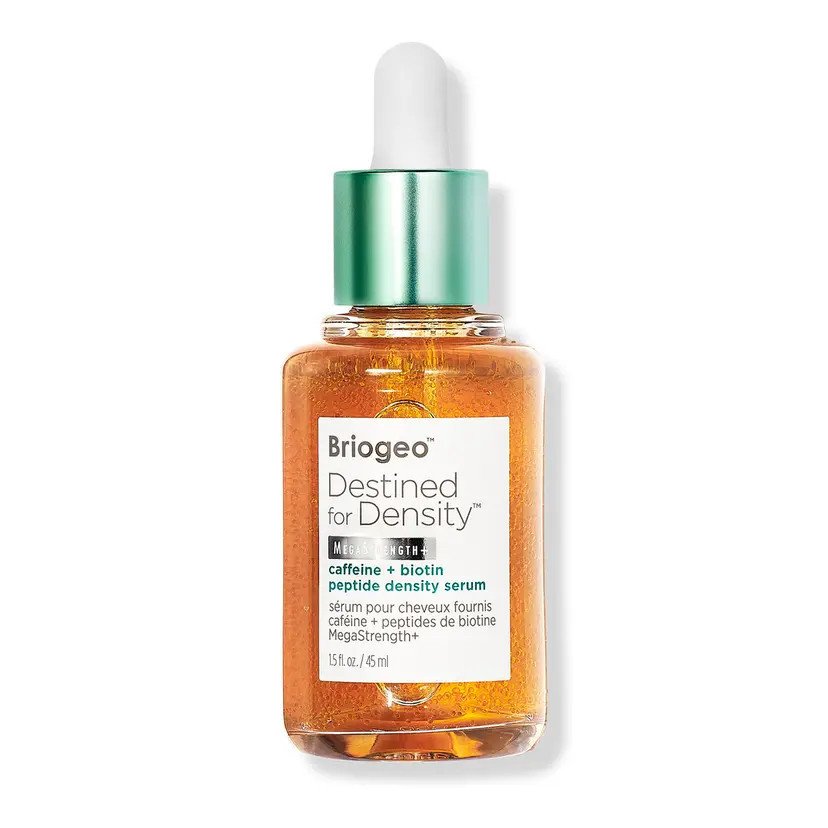
Briogeo Destined for Density MegaStrength+ Peptide Serum
Briogeo’s density serum closes this guide as the clean salon option, a leave in scalp treatment from the Destined for Density line built on caffeine, biotin, copper tripeptides and a peptide complex, with the brand’s Energy Complex of antioxidants alongside. The formula is positioned for the look of thicker, fuller hair and for supporting the follicle environment, and Briogeo publishes consumer perception results in which users reported visibly thicker hair over a 16 week period, the realistic timescale for judging anything in this category and a useful anchor for GLP-1 readers, whose regrowth phase runs on a similar clock. The serum itself is light, applies with a dropper to the scalp in sections, and fits the brand’s clean positioning: no sulfates, silicones or parabens in the line’s philosophy, and a formulation that will not leave fine, thinning hair looking coated. Used daily, it is aimed squarely at the months after the shed, when new growth is coming through baby fine and every bit of root lift and reduced breakage shows. The honest notes: perception studies are not clinical proof, the price is premium for 45 ml, and Briogeo’s range is wide enough that readers should confirm they have the serum and not the line’s shampoo or supplements in the basket. For clean beauty readers who want a peptide serum from an established salon brand rather than a supplement company, this is the pick, and its 16 week framing is the most honest expectation setting in the category.
Specifications
1.5 fl oz dropper bottle
caffeine and biotin
copper tripeptide and peptide complex
Energy Complex
clean hair care brand
Pros
Peptides, caffeine and biotin in a clean formula
Realistic 16 week expectation framing
Light on fine, thinning hair
Cons
Perception studies, not clinical proof
Premium price for 45 ml
Wide line, easy to buy the wrong product
Who should buyyou want a clean peptide serum from a salon brand for the regrowth months
Who should skipyou need results inside a month, which nothing here can give
Thinning hair is hair that has lost density or strand thickness, making the scalp more visible and styles less full. It overlaps with hair loss but the day to day question is usually cosmetic: how to maximise fullness now while any underlying cause is addressed properly.
Volume is built with weightless products: heavy oils, creams and conditioners at the root collapse fine hair. Volumising mousses, root sprays and dry shampoo add grip and the appearance of density. Hair fibres and tinted scalp products camouflage a visible parting effectively for events. Cutting matters: blunt cuts look thicker than layered ones on fine hair. As with all loss, a widening parting or rapid change deserves assessment rather than only cosmetics.
How to Choose: the Criteria That Matter
Choosing hair care well starts with an honest read of your own hair: its thickness, its porosity, how damaged it is and what you actually do to it weekly. Match the product’s weight to your strand thickness, its job to your hair’s actual deficit, and its format to a slot in your real routine. The expensive mistake in this category is buying for the hair you wish you had, or copying the routine of a different hair type entirely.
Your hair type and porosity, since low porosity hair needs lighter products than high porosity hair
Porosity, how readily your hair takes in and loses water, decides how much product hair needs and how heavy it can be. Low porosity hair resists rich products and needs light layers and warmth; high porosity hair drinks product and needs it sealed in.
The job to be done: moisture, protein and bond support, scalp care or colour protection
Name the job before the product. Moisture, protein and bond support, scalp care and colour protection are different purchases, and the commonest hair mistake is buying a rich moisture product for hair that needed protein, or the reverse.
Ingredient weight: rich butters and oils for coarse hair, light emulsions for fine hair
Fine hair collapses under butters and heavy oils; coarse hair laughs at light sprays. Read ingredient weight honestly against your strand thickness, and dose by section rather than by handful.
Silicone and sulfate position, depending on your routine and how you clarify
Neither position is a moral stance: sulfates clean thoroughly and suit oily scalps and build up, while sulfate free washing protects colour, keratin treatments and dry curls. Silicones similarly split by need: smoothness and protection for damaged hair, build up risk for fine hair.
How the product is used: rinse out, leave in, or pre wash treatment
Rinse out, leave in and pre wash products are different tools. A leave in cannot do a mask’s job and a mask cannot be left in; buying the right format for the routine slot you actually have is what makes the purchase work.
Also Considered
These products were researched for this guide and left off the picks list for the reasons given. They are not poor products; they simply fit the exact question of this guide less well.
Minoxidil (Rogaine and generic versions)
The one topical with genuine drug level regrowth evidence, and deliberately not a pick: it is a licensed medicine, not a cosmetic, with its own side effects, shedding phase and interactions, and GLP-1 shedding is usually temporary telogen effluvium rather than the pattern loss minoxidil treats. Anyone considering it should be having that conversation with their clinician, who can also check whether shedding needs investigating in its own right.
Nizoral Anti-Dandruff Shampoo (ketoconazole)
Researched because ketoconazole shampoos circulate in thinning hair discussions. It is a medicated anti dandruff treatment, and GLP-1 related shedding is not driven by dandruff or scalp fungus, so it answers a question this guide is not asking. Readers who genuinely have dandruff alongside shedding should treat that separately, with this or their pharmacist’s advice.
High dose biotin gummies (such as typical hair, skin and nails formulas)
The most bought products in this space, and left off on evidence and safety specific to this audience: biotin beyond dietary need has weak support for hair in people who are not deficient, and high dose biotin is documented to distort common blood tests, including thyroid and cardiac markers, which matters for GLP-1 users having regular bloodwork. A clinician checked deficiency beats a gummy every time.
How to Use What You Buy
Start with hair washed and gently squeezed free of excess water
Apply the product to mid lengths and ends first, where hair is oldest and driest
Use the contact time on the label rather than rinsing immediately
Rinse with lukewarm water and judge softness once hair is fully dry, not wet
Repeat on a weekly rhythm and adjust the amount before switching products
Hair care rewards rhythm over intensity. A weekly pattern, wash, condition, one treatment step, gentle styling, does more than a monthly rescue session. Introduce one product at a time and judge it on fully dry, styled hair over at least three uses, since hair lies when it is wet and coated. Protect the routine’s gains at night with silk or satin and gentle handling, where a surprising share of breakage happens.
Wash as often as needed with a light shampoo, condition ends only, style with mousse at the roots and dry with lift. Address the cause in parallel with professional input where the pattern suggests it.
Who Should Buy, and Who Should Skip
Buy if your need matches this guide exactly: you are looking for options for thinning hair due to glp 1, you have checked the criteria above against your current routine, and you are willing to introduce the product gradually and judge it over the period the category needs.
Skip if your concern is different from the one in the title, your skin or hair is currently irritated or damaged and needs recovery first, or a clinician has advised you on this concern, in which case their advice comes before any buying guide.
Common Mistakes in Thinning Hair
Applying rich products to the roots, which weighs hair down and dulls it
Judging a conditioner while hair is still wet and coated
Using protein heavy products daily on hair that needs moisture instead
Skipping heat protectant because a treatment is in the routine
Oiling and masking thinning hair into flatness in the name of nourishment
Choosing long, layered cuts that string out the ends and emphasise thinness
Frequently Asked Questions
How do I choose the right products?
Start with the criteria in this guide: match the formula or specification to your hair type and the exact concern in the title, check the published ingredient or specification list, and pick the option whose downsides do not overlap with your problem. The type decision comes first: most disappointment in thinning hair is a good product bought in the wrong type.
How long before I see results from a thinning hair product?
It depends on the category, but most hair care products need consistent use over several weeks before a fair judgement. Devices and treatments state their expected course in the manual or on the packaging, and that timeline is the one to follow. Judge on the category’s clock, not on the first week.
What should I avoid when buying for thinning hair due to glp 1?
Avoid buying on claims alone: skip options with no published ingredient or specification list, strengths far beyond what your routine needs, and any product whose stated downsides match the exact issue you are trying to fix. Also avoid changing two other parts of your routine in the same week, which makes the new product impossible to judge.
Is the most expensive option always the best?
No. In thinning hair, price often reflects branding, packaging and extras rather than the core ingredient or specification doing the work. The criteria in this guide matter more than the price band, and mid priced options with the right specification beat premium options with the wrong one.
What is the most common mistake with thinning hair?
Oiling and masking thinning hair into flatness in the name of nourishment A close second: choosing long, layered cuts that string out the ends and emphasise thinness
How does thinning hair fit into a daily routine?
Wash as often as needed with a light shampoo, condition ends only, style with mousse at the roots and dry with lift. Address the cause in parallel with professional input where the pattern suggests it. Hair care rewards rhythm over intensity.
How to Get Rid of Hair Loss and Dandruff?
The companion how-to guide, How to Get Rid of Hair Loss and Dandruff, covers this in full: the step by step method, the right amounts and frequency for your type, and the mistakes that stop it working. It is linked from the routine sections of this page, and it is the right next read once you have chosen a product.
By Mirror & Glow Editorial Desk – November 23, 2026
Volume is built with weightless products: heavy oils. This guide applies that to how to get rid of hair loss and dandruff: the method, the timing, and the traps to avoid.
By Mirror & Glow Editorial Desk – November 23, 2026
Pure argan oil is mostly oleic and linoleic acids with vitamin E. This guide applies that to can i leave argan oil in my hair for a week: the method, the timing, and the traps to avoid.
By Mirror & Glow Editorial Desk – November 23, 2026
Everything behind can you use bond repair and protein treatment together: different brands use different chemistries, set out as a clear step by step with the mistakes and questions readers raise most.