By Mirror & Glow Editorial Desk – November 23, 2026
Older woman washing her shoulder and back with a blue bath brush.
The short verdict on body scrub vs exfoliating body wash: neither option wins for everyone. Body Scrub, Exfoliating Body Wash differ in how they work, who they suit and what they cost in effort and money terms. Each option is explained in depth below, the table sets the differences out plainly, and the verdict section matches each option to the readers it actually suits.
Body Scrub vs Exfoliating Body Wash Compared
Factor
Body Scrub
Exfoliating Body Wash
How it works
Grains polish away dead surface skin by friction.
Acids loosen dead skin during a normal shower routine.
Best for
Instant smoothness and prepping skin for moisturiser or tan.
Bumpy texture and body breakouts with zero extra steps.
Routine fit
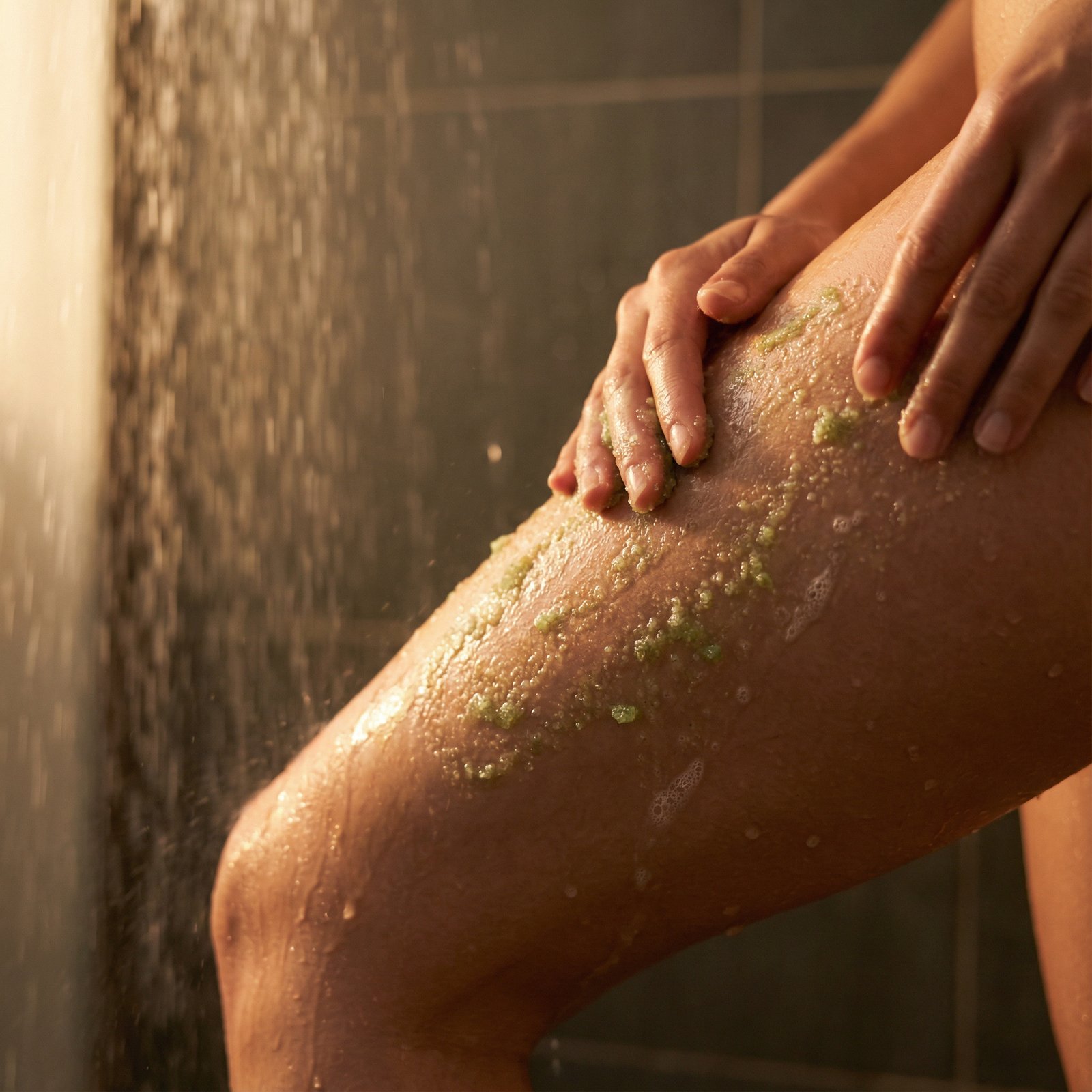
Use once or twice a week in the shower on wet skin, gentle circular pressure, avoiding broken, shaved or sunburnt skin. Heels, elbows and the backs of arms can take an extra pass; the chest and neck get the lightest touch.
Fits a standard body care routine; the matching buying guide below gives the step by step for this category.
Cost level
Varies by brand and format; judge by the criteria in this guide rather than headline prices.
Varies by brand and format; judge by the criteria in this guide rather than headline prices.
Downsides
It can irritate if used hard or often, and grains vary in harshness.
Contact time is short, so effects are gentler and slower than leave on products.
The Products Behind This Comparison
Comparisons are settled by real products, so the full line up from the buying guide Best Body Scrub to Remove Dead Skin is set out here in the same detail: every product with its photo, full description, specifications, pros and cons, and who should buy or skip it.
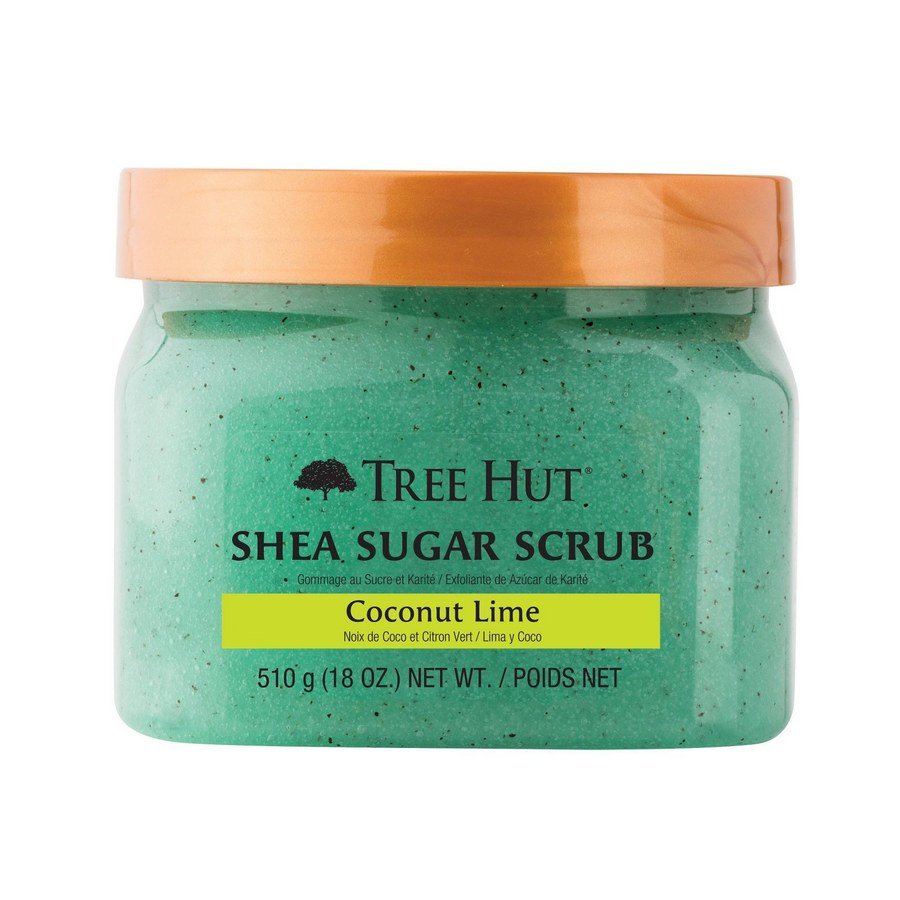
Tree Hut is the sugar scrub most readers picture when they picture a body scrub: a dense, oily tub of sugar crystals suspended in shea butter and plant oils, in a long list of fragrances. As a dead skin remover its mechanism is purely physical and immediate: the sugar granules do the polishing while you massage, then dissolve as you rinse, so the scrub cannot be over left on the way a chemical product can, and the oil base leaves skin conditioned enough that many users skip moisturiser afterwards. The grain is firm, closer to a traditional polish than a gentle gel, which suits elbows, knees, legs and pre shave or pre tan preparation, and the large tub keeps the cost per use low for whole body sessions. The trade offs are the fragrance and the oil. Scented variants are strongly perfumed, which sensitive or eczema prone skin may not tolerate, and the oily rinse leaves a film in the tub or shower that needs care on wet floors. It also does nothing chemical for bumpy conditions like keratosis pilaris beyond surface smoothing. For straightforward, satisfying removal of dull surface skin at a drugstore price, it is the benchmark the rest of this guide is measured against.
This is the scrub in the guide for skin where dead skin is only half the problem: it combines a stated 10% blend of glycolic and lactic acids with pumice buffing beads, so chemical loosening and physical polishing happen in the same short application. That dual design is aimed at keratosis pilaris, the rough, dotted texture on upper arms and thighs where dead cells plug the follicle opening, a job purely physical scrubs do badly because the plug sits below the surface. The brand instructs use on wet skin in the shower, massaging and rinsing rather than leaving it on, and the formula includes bisabolol to keep the acid step calm. It is the most treatment like product here, and it should be used like one: two or three times a week, not daily, with moisturiser after and sunscreen on exposed skin. Its limits are strength and size. It is too much for sensitive, broken or freshly shaved skin, the tube is smaller than the tubs in this guide so whole body use is expensive, and the pumice makes it unsuitable for the face. For bumpy, rough texture that ordinary scrubs have failed to shift, it is the guide’s most effective answer.
Specifications
226 g tube
10% glycolic and lactic acids
pumice buffing beads
bisabolol
fragrance free positioning
Pros
10% AHA blend plus pumice works chemically and physically
Designed for keratosis pilaris and stubborn roughness
Tube format is hygienic and shower friendly
Cons
Too strong for sensitive or freshly shaved skin
Small tube makes whole body use costly
Not a daily product, and not for the face
Who should buyyour dead skin comes with bumps and plugged follicles on arms or thighs.
Who should skipyou want a gentle daily polish, or your skin is sensitive and reactive.
Dove’s body polish is the gentle end of this guide: a whipped, cream based scrub with fine particles, built on the brand’s moisturising cream heritage, so it cleanses and polishes in one step without leaving skin tight. The grain is noticeably finer than a sugar scrub, which makes it the right choice for more delicate areas, for frequent use, and for readers who find traditional scrubs scratchy. Used two or three times a week it keeps dullness from building up and leaves skin smooth enough that the effect reads as good maintenance rather than a weekly event. The variants are fragranced, in the familiar Dove style, and the scent is part of the product’s appeal for its audience. Its limits are the reverse of its gentleness. On genuinely thick, rough areas such as heels, elbows and knees it makes modest progress, and it contains no acids for bumpy or ingrown prone skin. The tub also requires wet hands in the shower, with the usual hygiene note. For readers whose dead skin problem is really a dullness and dryness problem, and who want the mildest possible tool that still counts as a scrub, this is the sensible, inexpensive pick. That accessibility is part of its merit: a mild scrub that is cheap enough to use generously is the one that stays in the routine.
Specifications
298 g tub
fine exfoliating particles
moisture renew blend
whipped cream texture
fragranced variants
Pros
Fine grain suits delicate areas and frequent use
Cream base cleanses without leaving skin tight
Inexpensive and widely stocked
Cons
Too gentle for thick, rough areas
Fragranced, so not for fragrance free routines
No acids for bumpy or ingrown prone skin
Who should buyyou want a mild, frequent polish for dull, dry skin rather than a heavy duty scrub.
Who should skipyour problem areas are thick callus or keratosis pilaris, which need stronger tools.
Frank Body’s original scrub is the coffee scrub that defined its category: ground robusta coffee and sea salt in a dry, loose format, with sweet almond oil and vitamin E, scooped from a resealable pouch and massaged onto wet skin. The experience is deliberately raw: the grounds give a vigorous, even abrasion that is excellent on legs, arms and the backs of thighs, and the dry format means there is no gel or cream diluting the grain. Coffee scrubs are often marketed with temporary firming claims; the honest version is that massage plus exfoliation leaves skin looking smoother and feeling softer, and the oil content means skin is conditioned afterwards rather than stripped. Practical limits are part of the product’s character. It is messy, grounds will coat the shower, the pouch must be kept sealed and dry between uses, and the coffee scent is strong and lingers. It is also too vigorous for delicate or sensitive skin and contains nut oil, which matters for some readers. For an occasional, thorough, spa like polish that treats dead skin removal as an event rather than a chore, it remains the category’s most recognisable name. Rinse the shower down afterwards and the ritual is complete: few scrubs in this guide leave legs feeling as thoroughly polished in a single session.
Specifications
200 g pouch
ground robusta coffee
cold pressed sweet almond oil
vitamin E
sea salt
vegan formula
Pros
Dry coffee and salt grain gives vigorous, even polishing
Almond oil leaves skin conditioned, not stripped
A little goes a long way from the pouch
Cons
Messy in the shower and the pouch must stay dry
Strong coffee scent lingers
Too vigorous for delicate or sensitive skin
Who should buyyou want an occasional deep polish for legs and body and enjoy a spa style ritual.
Who should skipyou want a tidy, gentle, fragrance free scrub for sensitive skin.
Nécessaire’s exfoliator is the design led, gel format entry in this guide: a rinse off gel combining physical pumice with a published blend of glycolic, lactic and mandelic acids, plus niacinamide, so it works as a chemical and physical scrub at a gentler register than the KP treatment earlier in this list. The mandelic acid in the blend is the thoughtful detail, a larger molecule acid that works more slowly and suits sensitive skin better than glycolic alone. The texture behaves like a shower gel with grain, which makes it easy to use evenly over large areas two or three times a week, and the tube keeps it clean and portable. It comes in fragrance free and eucalyptus versions, a choice most scrub brands do not offer. Its limits are price and power. It costs more per use than the drugstore tubs here, and its balanced formulation will not match a 10% AHA treatment on established keratosis pilaris or a firm sugar scrub on very rough heels and elbows. What it offers instead is the most modern formulation in the guide: a considered acid blend in an elegant daily shower format for readers who exfoliate as maintenance, not rescue. For readers building a considered, ingredient led body routine, it is the scrub that feels most like the skincare they already use on their face.
Specifications
180 ml tube
pumice and glycolic, lactic and mandelic acids
niacinamide
fragrance free and eucalyptus versions
gel format
Pros
Acid blend plus pumice in an easy gel format
Mandelic acid makes it kinder to sensitive skin
Fragrance free version available
Cons
Premium price per use
Not strong enough for established KP or heavy callus
Gel format uses up faster than dense tubs
Who should buyyou exfoliate as regular maintenance and want acids and polish in one elegant step.
Who should skipyou need maximum strength for bumpy, plugged skin on a budget.
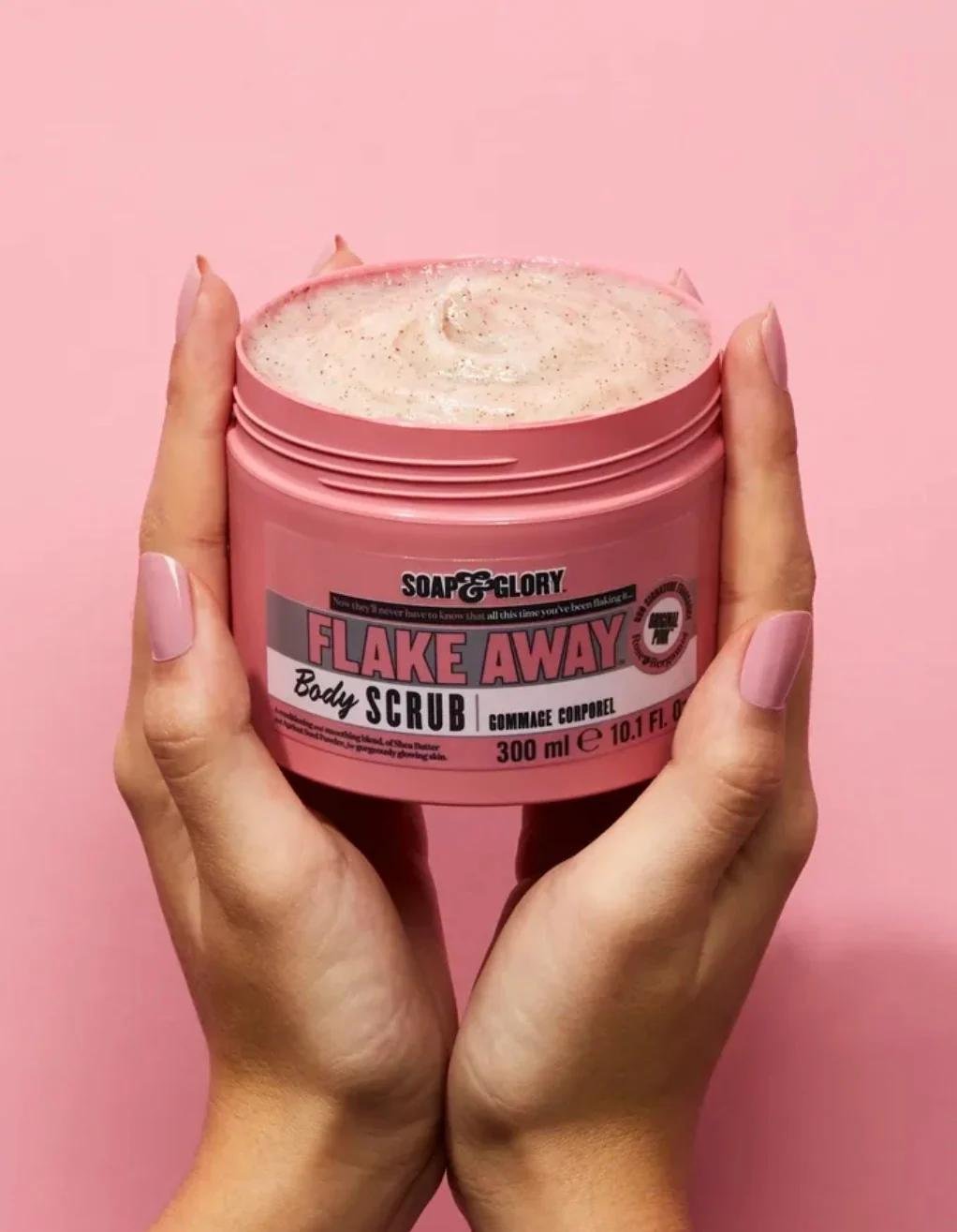
Flake Away is the classic British drugstore polish: a shea butter based scrub with apricot seed powder, sea salt and sugar, in Soap & Glory’s Original Pink fragrance. The base is the point of difference. Where oil based scrubs can feel slippery, this buttery paste grips the skin, so the grains work under your hands instead of sliding away, and it rinses to a moisturised finish that rarely needs lotion after. The grain sits in the middle of this guide’s range, firm enough for legs, arms and rough patches, kinder than a dry coffee scrub, and the tub is sized for regular whole body use at a mid range price. For readers who grew up with this product it is the standard against which others are judged, and its formula has survived because it works. The limits are scent and sensitivity. Original Pink is a strong, sweet fragrance that fills the bathroom, so it is not a choice for fragrance free routines, and the salt content means it should stay away from broken or freshly shaved skin, where it will sting. As a pleasurable, effective, mid priced polish for normal skin, it earns its long running place in this guide.
Specifications
300 ml tub
shea butter
apricot seed powder
sea salt and sugar
Original Pink fragrance
buffing body polish
Pros
Buttery base grips skin so the grains work properly
Mid strength grain suits regular whole body use
Rinses to a moisturised finish
Cons
Strong sweet fragrance is not for everyone
Salt stings on broken or shaved skin
Tub format needs dry hands for hygiene
Who should buyyou want a mid priced, mid strength polish that leaves skin moisturised in one step.
Who should skipyou need a fragrance free scrub, or your skin is broken or freshly shaved.
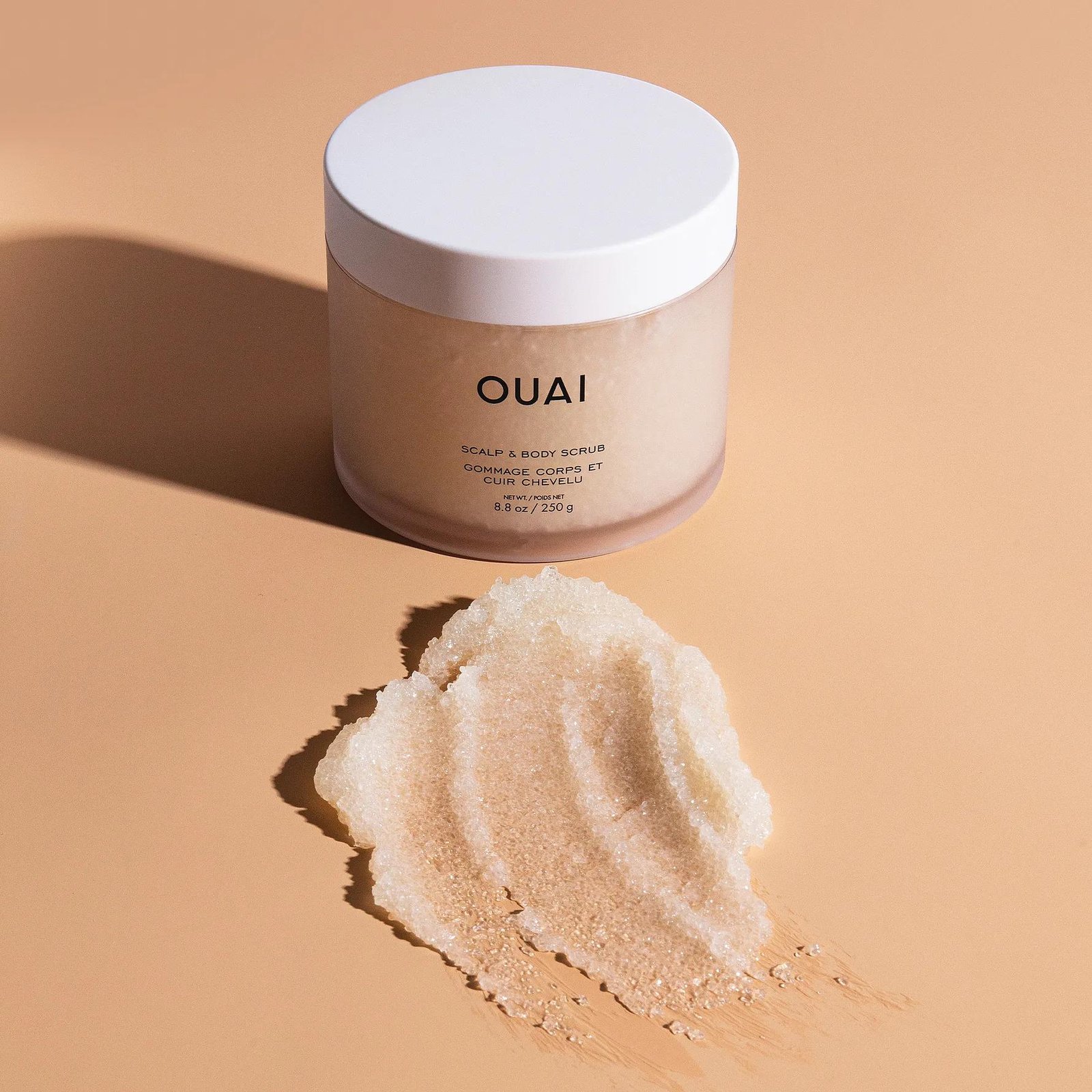
OUAI’s scrub is the dual purpose entry: a sugar crystal scrub in coconut oil designed to be used on the scalp as well as the body, which makes it the only product here that addresses flaky scalps and dull body skin with one jar. The sugar grain is set in a rich oil base that melts down as it is worked, and the brand includes a probiotic blend in the published formula. On the body it behaves as a moisturising polish for arms, legs and torso; on the scalp it is massaged in before shampoo to lift flakes and product build up, a use the tubs of pure body scrub are not formulated for. The St. Barts version carries the brand’s tropical fragrance, and scent is a large part of this product’s identity. Its limits follow from the dual brief and the oil. It is a premium priced jar, the coconut oil base can leave body skin too slick for some tastes and is a consideration for acne prone backs, and a dedicated KP or callus problem still needs a dedicated product. For readers who want one beautiful jar covering scalp flaking and body polish, it is a genuinely convenient pick.
Specifications
250 g jar
sugar crystals
coconut oil
probiotic blend
dual scalp and body use
St. Barts scent version
Pros
One jar works on scalp build up and body skin
Sugar in coconut oil melts down as it polishes
Premium fragrance led experience
Cons
Premium price for a mid sized jar
Oily finish may not suit acne prone backs
Not targeted enough for KP or callus
Who should buyyou have a flaky scalp as well as dull body skin and want one product for both.
Who should skipyour back is acne prone, or your budget points to the drugstore tubs.
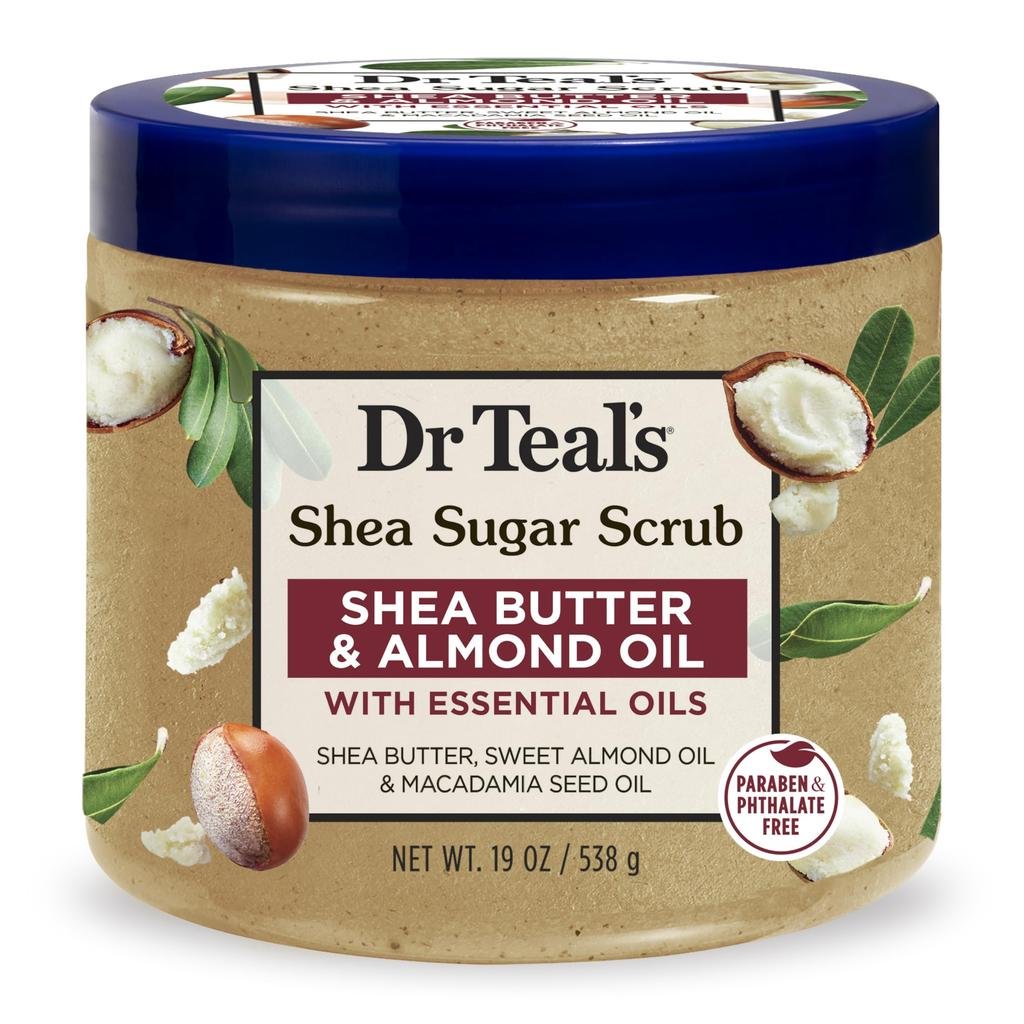
Dr Teal’s shea sugar scrub is the value pick of this guide: the largest tub here, built on sugar with shea butter, sweet almond oil and macadamia seed oil, at a price per gram none of the other picks match. The formula follows the brand’s bath ritual positioning, with essential oils giving it a warm, spa like scent, and the published claims include paraben and phthalate free status. As a scrub it sits comfortably in the middle: the sugar grain is effective on legs, arms and backs, the oils leave skin supple, and the generous size removes the temptation to ration it, which is the hidden failure of many scrub routines. It is a particularly sensible choice before self tanning and for maintaining large areas through winter. The limits are refinement rather than performance. The scent, while pleasant, is fragranced and not for sensitive skin routines, the oily base needs the usual care in the shower, and there are no acids for bumpy or ingrown prone skin. Judged on what most readers actually need from a body scrub, effective grain, skin left conditioned, and a tub that lasts, it is the guide’s best value recommendation. Few products in this guide make the simple case as well: the right grain, a kind base, and enough of it to use without thinking about the cost.
Specifications
538 g tub
sugar
shea butter
sweet almond and macadamia oils
essential oils
paraben and phthalate free positioning
Pros
Largest tub in the guide at a low price per use
Sugar grain with shea and almond oils
Spa like scent suits bath routines
Cons
Fragranced, so not for sensitive skin routines
Oily base needs care on shower floors
No acids for bumpy or ingrown prone skin
Who should buyyou scrub large areas regularly and want the best value tub that still performs.
Who should skipyour skin is fragrance sensitive, or your roughness needs chemical exfoliation.
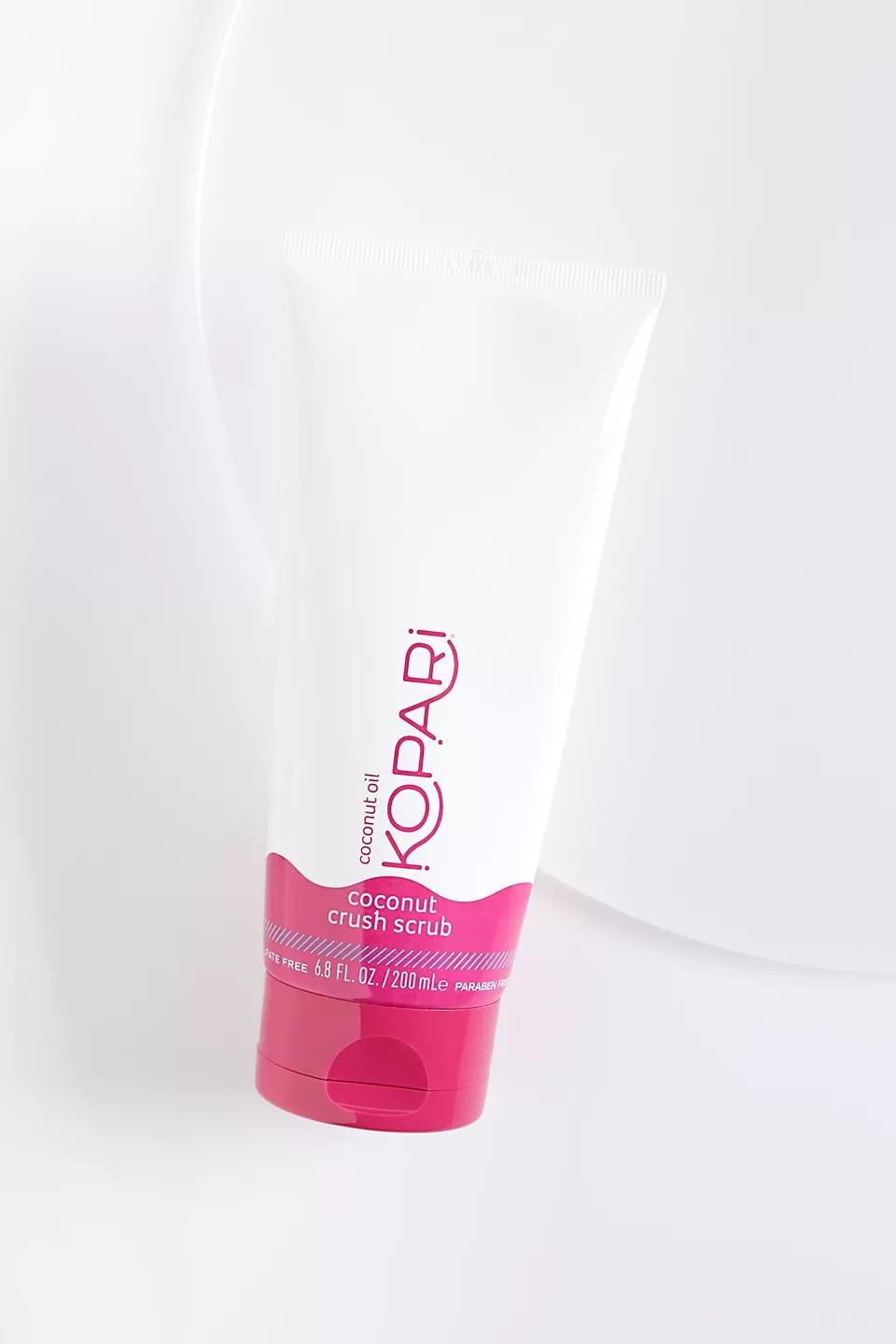
Kopari’s crush scrub takes the coconut oil the brand is built on and pairs it with brown sugar and finely ground Tahitian coconut shell, in a tube rather than a tub. The tube is its practical advantage: no wet fingers in a jar, no water pooling in the product, and easy control in the shower, which is why it suits readers who have abandoned tubs before. The exfoliant blend is interesting in itself, because the sugar dissolves as it works while the shell powder persists, giving a polish that starts firmer and finishes finer across a single application. The coconut oil base leaves the brand’s characteristic soft, beachy finish and scent. Its limits are size and audience. At 200 ml it is one of the smaller formats here, so committed whole body users will finish it quickly, and coconut oil heavy formulas are a matter of taste on skin and a consideration for the acne prone. It also sits at a premium price for its size. As a well formulated, travel and gym friendly scrub with a distinctive two stage grain, it holds a clear place in the guide. It is also the easiest scrub here to travel with, since the tube packs flat, seals fully and raises no questions about leaking oil in a wash bag.
Specifications
200 ml tube
brown sugar
Tahitian coconut shell
coconut oil
tube format
sulfate free positioning
Pros
Tube format is hygienic and shower friendly
Sugar plus coconut shell gives a two stage polish
Coconut oil base leaves a soft finish
Cons
Small tube for the price
Coconut oil base is not to every skin’s taste
Premium cost per use
Who should buyyou prefer tubes to tubs and want a coconut based polish for regular use.
Who should skipyou scrub the whole body weekly and need a large, economical format.
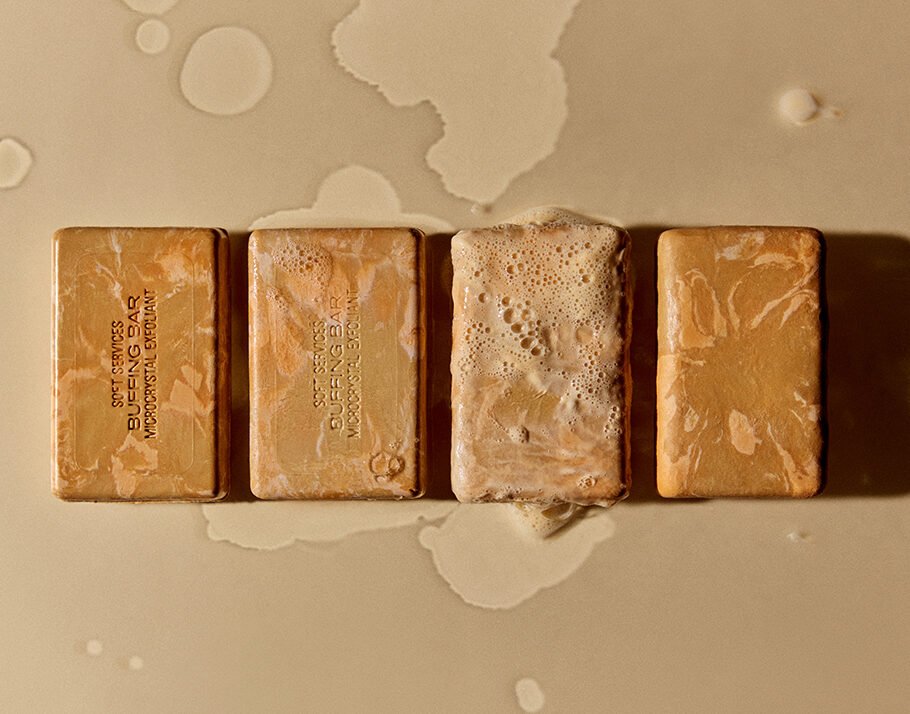
The Buffing Bar is the format outlier in this guide: a solid exfoliating soap bar loaded with microcrystal magnesium oxide, used directly on wet skin in the shower. Soft Services built the product for rough, bumpy skin, including keratosis pilaris and ingrown prone areas, and the bar format is its argument: the pressure and coverage come from the bar itself, there is no tub, no scoop and no product washed away unused, and a bar lasts for weeks of targeted use. The published formula sets the crystals in a shea butter and aloe containing base so the bar cleanses as it buffs. Used two or three times a week on arms, thighs and other rough zones, it gives a controlled, even exfoliation that many users find easier to keep up than a separate scrub step. Its limits are real. A physical bar this effective is too much for delicate or sensitive areas, it must be kept dry between uses to last, and as a purely physical product it lacks the follicle level action of the acid scrub earlier in this guide for established KP. For readers who like solid products and targeted buffing, it is the most original tool here.
Specifications
Two bars per pack
microcrystal magnesium oxide exfoliant
shea butter and aloe
soap format
for rough and bumpy skin
Pros
Solid bar format with no tub, scoop or waste
Microcrystal exfoliant aimed at rough, bumpy skin
A bar lasts weeks of targeted use
Cons
Too strong for delicate or sensitive areas
Must be stored dry between uses
Physical only, so no acid action inside follicles
Who should buyyou want targeted buffing for rough arms and thighs in a solid, low waste format.
Who should skipyour skin is delicate or sensitive, or you want an all over gentle polish.
An exfoliating body product, usually with physical grains in an oil or cream base, for smoothing rough skin.
How it works: Grains polish away dead surface skin by friction.
Physical scrubs work by friction, so grain type and your pressure decide intensity; sugar dissolves as you work, salt stings on any broken skin, and oils in the base leave a moisturised finish. Acid body products, with glycolic or lactic acid, exfoliate without scrubbing and suit bumpy texture better. Either way the follow up is moisturiser, because exfoliated skin loses water faster for a few hours.
Best for: Instant smoothness and prepping skin for moisturiser or tan.
In your routine: Use once or twice a week in the shower on wet skin, gentle circular pressure, avoiding broken, shaved or sunburnt skin. Heels, elbows and the backs of arms can take an extra pass; the chest and neck get the lightest touch.
What Is Exfoliating Body Wash?
A shower wash with chemical exfoliants such as glycolic or salicylic acid built in, exfoliating as you cleanse.
How it works: Acids loosen dead skin during a normal shower routine.
Best for: Bumpy texture and body breakouts with zero extra steps.
The Downsides of Each
Body Scrub: It can irritate if used hard or often, and grains vary in harshness. The commonest way people make it worse: scrubbing harder to fix bumps that are actually keratosis pilaris, which responds to acids and urea, not friction
Exfoliating Body Wash: Contact time is short, so effects are gentler and slower than leave on products.
Verdict by Use Case
Choose Body Scrub if instant smoothness and prepping skin for moisturiser or tan. That is the use case where its strengths matter most, and where its main downside, it can irritate if used hard or often, and grains vary in harshness.
Choose Exfoliating Body Wash if bumpy texture and body breakouts with zero extra steps. That is the use case where its strengths matter most, and where its main downside, contact time is short, so effects are gentler and slower than leave on products.
If your situation sits between the two, the deciding question is usually effort: which option fits the routine you will actually keep for the next three months? The better option on paper loses to the one you use consistently, in almost every body care category.
Can You Use Both?
In many body care routines the options complement each other: used at different times, on different days or for different areas, each covering the other’s weak ground. The cautions are overload and duplication: do not run both at full intensity in the same session, and do not pay twice for the same job. Introduce any combination gradually, one change at a time, so you can tell what each option is actually doing for you.
How to Decide
Work through three questions in order. First, which option matches your type: the table’s best for row is written for exactly this, and a mismatch there outweighs every other advantage. Second, which downside can you live with: every option in this comparison has one, and the right choice is usually the one whose downside does not touch your actual problem. Third, which fits the routine you already keep: the option that slots into your existing body care habits will still be in use in three months, and consistency is what turns a reasonable choice into a good result. If the answers point different ways, weight them in that order: type, downside, routine.
Which is better overall, body scrub or exfoliating body wash?
There is no universal winner: the better option is the one matching your skin or hair type, routine and the use cases in the verdict section above. The difference table shows where each one genuinely leads, and the downsides section shows what each one costs you.
Can I use both in the same routine?
In many body care routines the two can complement each other, used at different times or for different areas, as long as the combination does not overload skin or hair. Introduce any combination gradually, and keep the total intensity at a level your routine can sustain.
Which is better for beginners?
Beginners usually do best with the option that has the gentler learning curve and the fewer downsides for their type, as set out in the table. Start there, and switch only if your needs change.
Which is better for sensitive skin?
The option with the shorter, gentler downside list for your type: compare the downsides row in the table first, start with the milder option, and patch test or trial at the lowest intensity before committing. If your skin or hair is under a clinician’s care, their sequencing comes first.
Which works out cheaper over time?
Compare total cost, not shelf price: how much product or how many consumables each option uses per month, how long a unit lasts in real use, and what you would otherwise spend on the alternative. In this category the cheaper option per use is often the one people abandon, which makes it the most expensive of all.
How do I decide if I can only choose one?
Match the option to your type first, using the best for row in the table, then check that its main downside does not overlap with the problem you are trying to solve. Finally, pick the one that fits the routine you already keep, because three months of consistent use with the second best option beats three weeks of the best one.
What is the best body scrub to remove dead skin?
The buying guide Best Body Scrub to Remove Dead Skin compares the leading options for this exact need against the criteria that matter, with specifications, honest pros and cons, and a clear statement of who should skip each pick. It is linked from this page.
By Mirror & Glow Editorial Desk – November 23, 2026
What Is Body Scrub and How Do You Use It? Use once or twice a week in the shower on wet skin, gentle circular pressure, avoiding broken. The full method, the mistakes to avoid, and where it fits in your routine.
By Mirror & Glow Editorial Desk – November 23, 2026
Physical scrubs work by friction, so grain type and your pressure decide intensity. This guide applies that to can you use body scrub instead of body wash: the method, the timing, and the traps to avoid.
By Mirror & Glow Editorial Desk – November 23, 2026
Does Body Wash Work the Same As Hand Soap? Use once or twice a week in the shower on wet skin, gentle circular pressure, avoiding broken. The full method, the mistakes to avoid, and where it fits in your routine.