By Mirror & Glow Editorial Desk – November 23, 2026
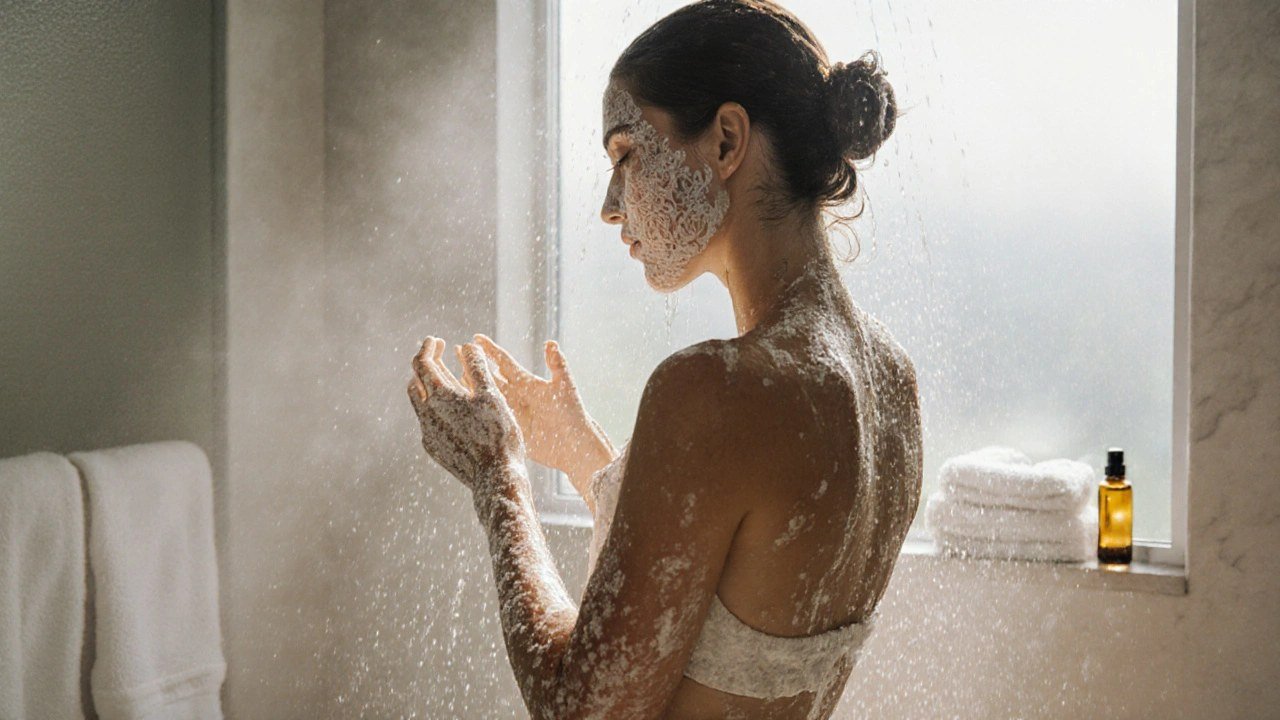
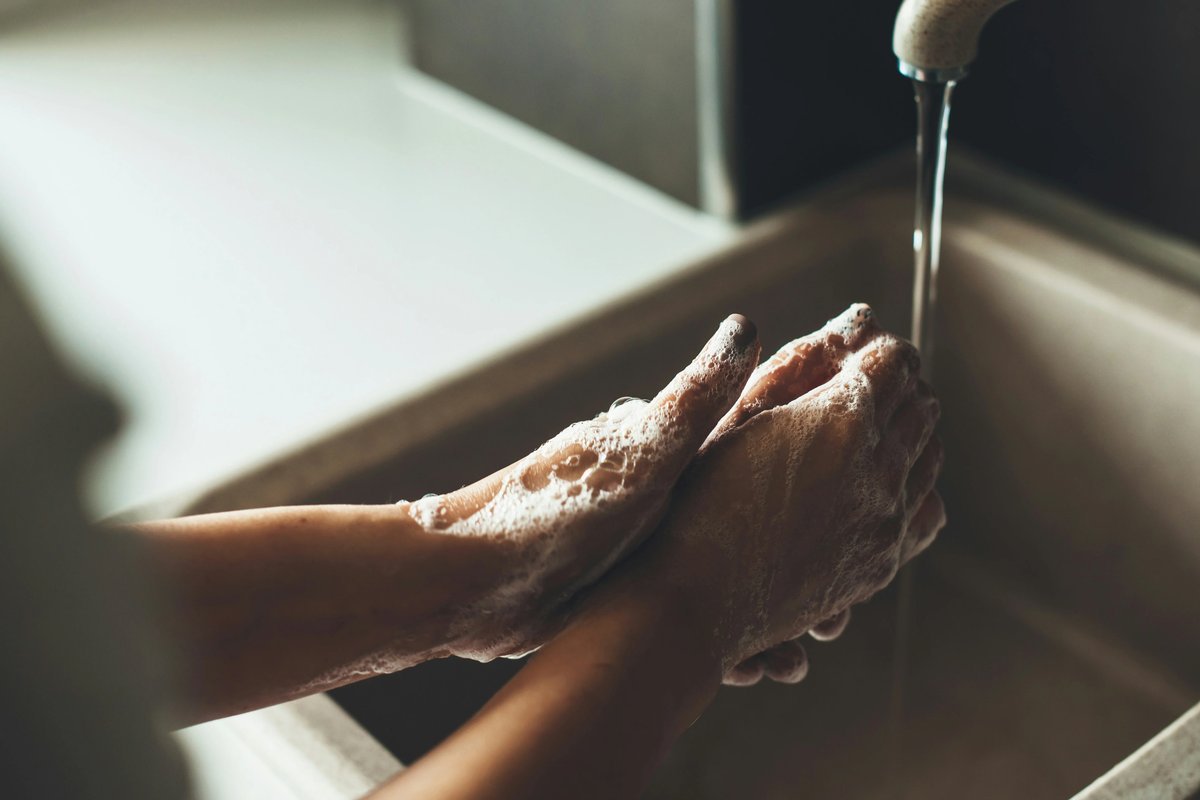
Woman in a shower with exfoliating scrub lather over her back and arms.
The direct answer: in most cases yes, with conditions. Whether you can use body scrub instead of body wash depends on the products involved, your skin or hair type, and how you layer or time them. The guide below gives the conditions, the safe way to do it, and the situations where the answer becomes no.
Body Scrub Explained
A body scrub is an exfoliating product, physical grains in an oil or cream base, or an acid formula, used to remove dead surface skin, smooth rough texture and prep for moisturiser or self tan. The body tolerates stronger exfoliation than the face, but not unlimited amounts.
Physical scrubs work by friction, so grain type and your pressure decide intensity; sugar dissolves as you work, salt stings on any broken skin, and oils in the base leave a moisturised finish. Acid body products, with glycolic or lactic acid, exfoliate without scrubbing and suit bumpy texture better. Either way the follow up is moisturiser, because exfoliated skin loses water faster for a few hours.
Putting It Into Practice
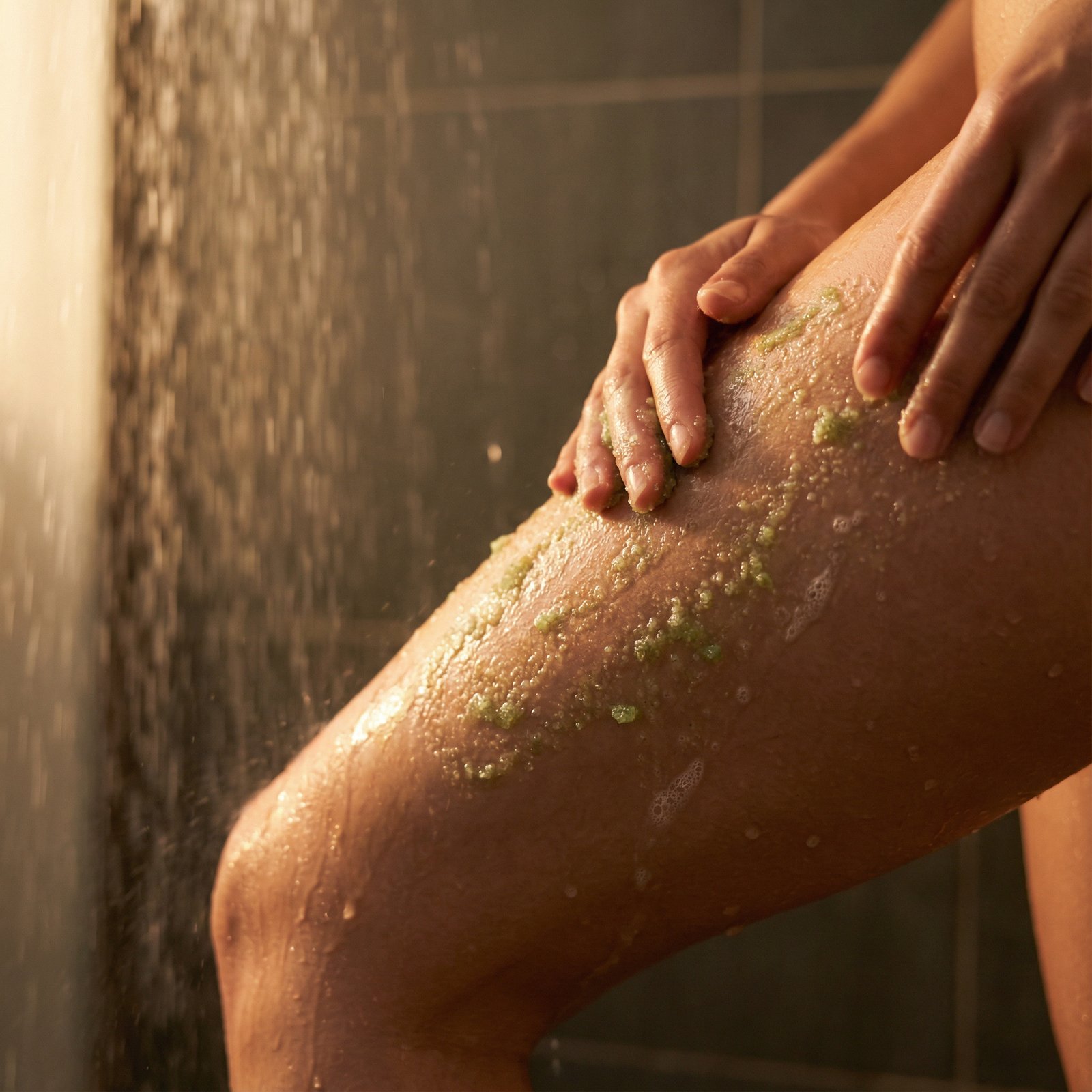
Use once or twice a week in the shower on wet skin, gentle circular pressure, avoiding broken, shaved or sunburnt skin. Heels, elbows and the backs of arms can take an extra pass; the chest and neck get the lightest touch.
Build the habit at the gentlest effective level first and attach it to something you already do, after a shower, before bed, with your morning routine, because techniques attached to existing habits survive. Keep the rest of your body care routine stable while you judge the change, and give the routine the full period the product guidance describes before deciding it does not work.
Step by Step: Body Scrub
The method below is the standard technique for this category, in the order that makes each step work. Adapt the amounts to your own skin or hair, and keep the order. If you still need the product itself, the buying guide Best Body Scrub to Remove Dead Skin compares the current options for this exact need.
Apply moisturiser within a few minutes of showering, on skin that is still slightly damp
Use enough to cover the area in a thin, even film rather than spot treating
For exfoliating products, start once or twice a week and build as skin tolerates
Give rough areas such as heels a nightly application, with socks to protect bedding
Allow four weeks of consistent use before judging texture problems like bumps
Getting Body Scrub Right in Your Routine
Fit matters more than intensity with body scrub. Build the habit at the gentlest effective level first: the right product amount, the right frequency for your type, and one change at a time so you can see what is actually helping. Keep the rest of your body care routine stable while you judge the change, and give the routine the full period the product guidance describes before deciding it does not work.
Keep notes for the first two weeks: what you used, how much, and how your skin or hair felt the next day. That simple record answers most follow up questions, including whether a reaction came from the new step or from something layered with it.
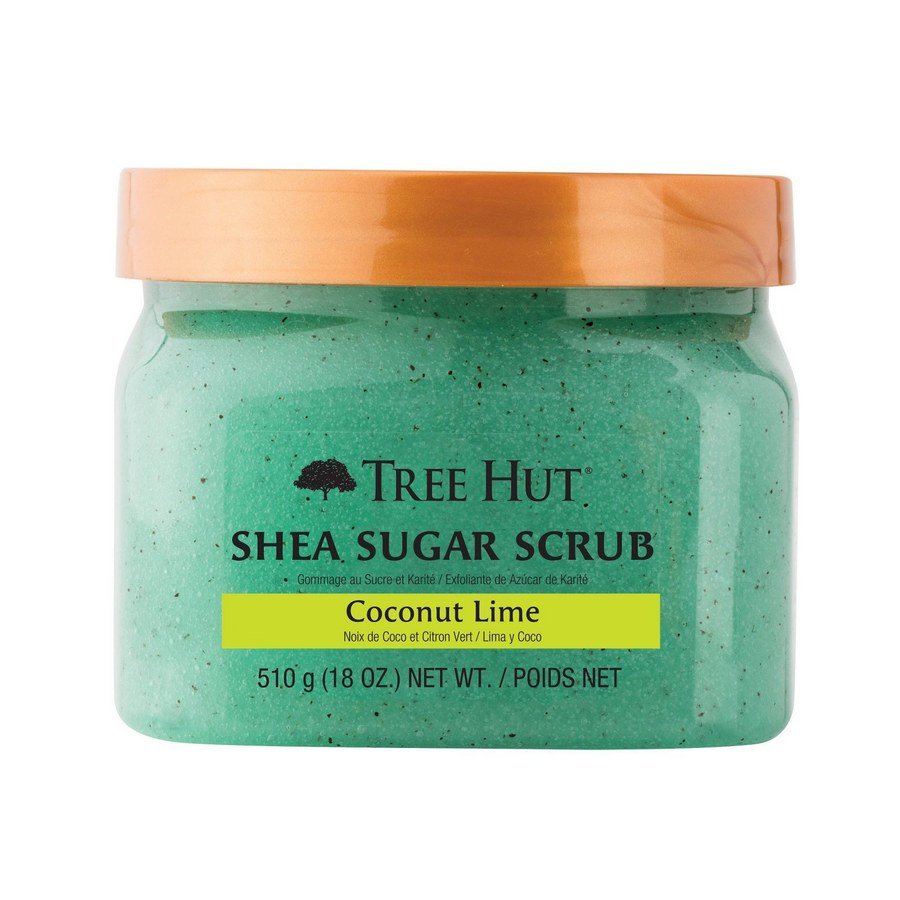
Tree Hut is the sugar scrub most readers picture when they picture a body scrub: a dense, oily tub of sugar crystals suspended in shea butter and plant oils, in a long list of fragrances. As a dead skin remover its mechanism is purely physical and immediate: the sugar granules do the polishing while you massage, then dissolve as you rinse, so the scrub cannot be over left on the way a chemical product can, and the oil base leaves skin conditioned enough that many users skip moisturiser afterwards. The grain is firm, closer to a traditional polish than a gentle gel, which suits elbows, knees, legs and pre shave or pre tan preparation, and the large tub keeps the cost per use low for whole body sessions. The trade offs are the fragrance and the oil. Scented variants are strongly perfumed, which sensitive or eczema prone skin may not tolerate, and the oily rinse leaves a film in the tub or shower that needs care on wet floors. It also does nothing chemical for bumpy conditions like keratosis pilaris beyond surface smoothing. For straightforward, satisfying removal of dull surface skin at a drugstore price, it is the benchmark the rest of this guide is measured against.
Dove’s body polish is the gentle end of this guide: a whipped, cream based scrub with fine particles, built on the brand’s moisturising cream heritage, so it cleanses and polishes in one step without leaving skin tight. The grain is noticeably finer than a sugar scrub, which makes it the right choice for more delicate areas, for frequent use, and for readers who find traditional scrubs scratchy. Used two or three times a week it keeps dullness from building up and leaves skin smooth enough that the effect reads as good maintenance rather than a weekly event. The variants are fragranced, in the familiar Dove style, and the scent is part of the product’s appeal for its audience. Its limits are the reverse of its gentleness. On genuinely thick, rough areas such as heels, elbows and knees it makes modest progress, and it contains no acids for bumpy or ingrown prone skin. The tub also requires wet hands in the shower, with the usual hygiene note. For readers whose dead skin problem is really a dullness and dryness problem, and who want the mildest possible tool that still counts as a scrub, this is the sensible, inexpensive pick. That accessibility is part of its merit: a mild scrub that is cheap enough to use generously is the one that stays in the routine.
Specifications
298 g tub
fine particles
whipped moisturising cream base
Pros
Fine grain suits delicate areas and frequent use
Cream base cleanses without leaving skin tight
Inexpensive and widely stocked
Cons
Too gentle for thick, rough areas
Fragranced, so not for fragrance free routines
No acids for bumpy or ingrown prone skin
Who should buyyou want a mild, frequent polish for dull, dry skin rather than a heavy duty scrub.
Who should skipyour problem areas are thick callus or keratosis pilaris, which need stronger tools.
Frank Body’s original scrub is the coffee scrub that defined its category: ground robusta coffee and sea salt in a dry, loose format, with sweet almond oil and vitamin E, scooped from a resealable pouch and massaged onto wet skin. The experience is deliberately raw: the grounds give a vigorous, even abrasion that is excellent on legs, arms and the backs of thighs, and the dry format means there is no gel or cream diluting the grain. Coffee scrubs are often marketed with temporary firming claims; the honest version is that massage plus exfoliation leaves skin looking smoother and feeling softer, and the oil content means skin is conditioned afterwards rather than stripped. Practical limits are part of the product’s character. It is messy, grounds will coat the shower, the pouch must be kept sealed and dry between uses, and the coffee scent is strong and lingers. It is also too vigorous for delicate or sensitive skin and contains nut oil, which matters for some readers. For an occasional, thorough, spa like polish that treats dead skin removal as an event rather than a chore, it remains the category’s most recognisable name. Rinse the shower down afterwards and the ritual is complete: few scrubs in this guide leave legs feeling as thoroughly polished in a single session.
Specifications
200 g pouch
ground coffee and sea salt
almond oil
Pros
Dry coffee and salt grain gives vigorous, even polishing
Almond oil leaves skin conditioned, not stripped
A little goes a long way from the pouch
Cons
Messy in the shower and the pouch must stay dry
Strong coffee scent lingers
Too vigorous for delicate or sensitive skin
Who should buyyou want an occasional deep polish for legs and body and enjoy a spa style ritual.
Who should skipyou want a tidy, gentle, fragrance free scrub for sensitive skin.
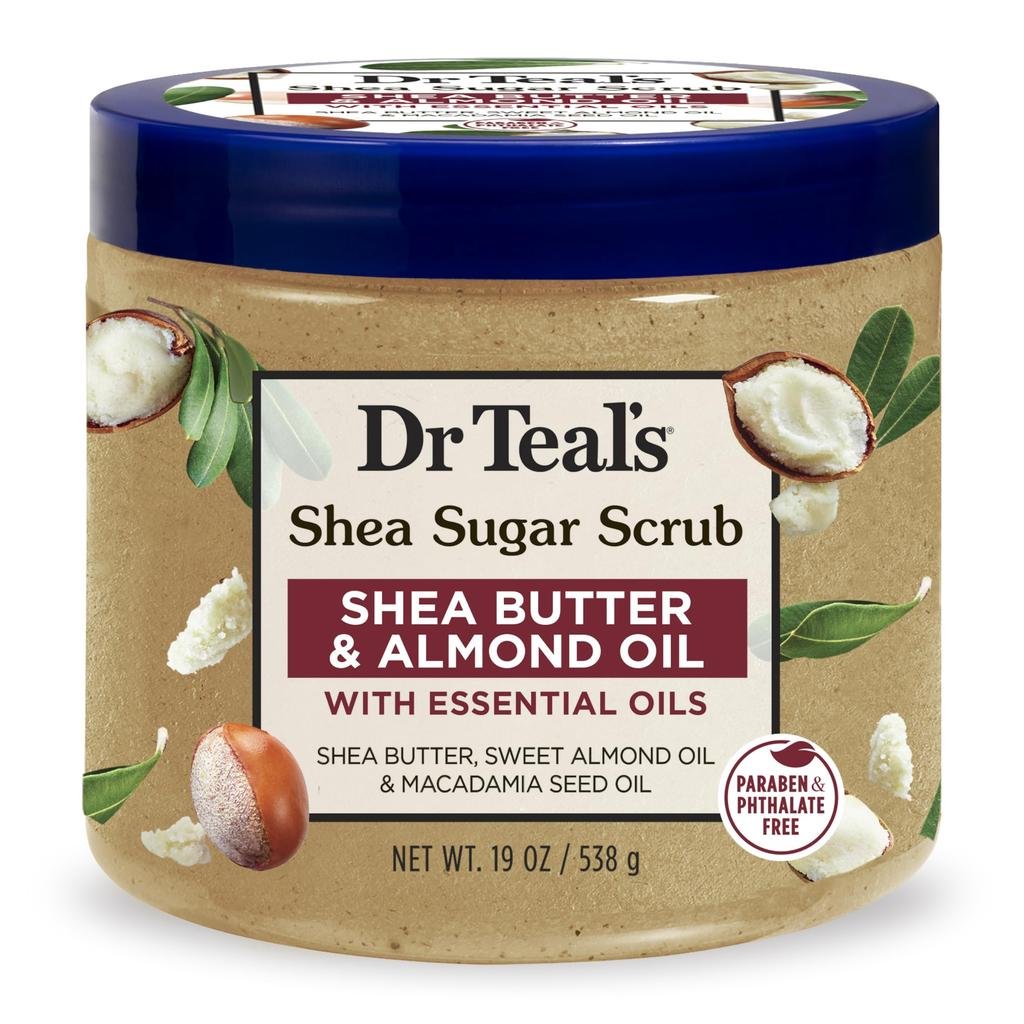
Dr Teal’s shea sugar scrub is the value pick of this guide: the largest tub here, built on sugar with shea butter, sweet almond oil and macadamia seed oil, at a price per gram none of the other picks match. The formula follows the brand’s bath ritual positioning, with essential oils giving it a warm, spa like scent, and the published claims include paraben and phthalate free status. As a scrub it sits comfortably in the middle: the sugar grain is effective on legs, arms and backs, the oils leave skin supple, and the generous size removes the temptation to ration it, which is the hidden failure of many scrub routines. It is a particularly sensible choice before self tanning and for maintaining large areas through winter. The limits are refinement rather than performance. The scent, while pleasant, is fragranced and not for sensitive skin routines, the oily base needs the usual care in the shower, and there are no acids for bumpy or ingrown prone skin. Judged on what most readers actually need from a body scrub, effective grain, skin left conditioned, and a tub that lasts, it is the guide’s best value recommendation. Few products in this guide make the simple case as well: the right grain, a kind base, and enough of it to use without thinking about the cost.
Specifications
538 g tub
sugar, shea butter and almond oil
value size
Pros
Largest tub in the guide at a low price per use
Sugar grain with shea and almond oils
Spa like scent suits bath routines
Cons
Fragranced, so not for sensitive skin routines
Oily base needs care on shower floors
No acids for bumpy or ingrown prone skin
Who should buyyou scrub large areas regularly and want the best value tub that still performs.
Who should skipyour skin is fragrance sensitive, or your roughness needs chemical exfoliation.
Moisturising dry skin hours after showering, when the water has already escaped
Scrubbing rough or bumpy skin harder instead of using the right active ingredient
Applying exfoliating acids to broken, shaved or sunburnt skin
Stopping after a week when texture concerns respond over a month
Scrubbing harder to fix bumps that are actually keratosis pilaris, which responds to acids and urea, not friction
Exfoliating daily, which thins the barrier and creates the sensitivity people then treat as a skin type
When to See a Professional
See a dermatologist or qualified professional if the concern is painful, spreading, bleeding, not improving after a consistent routine of several weeks, or if it appeared suddenly and severely. Nail changes such as thickening, colour change with pain, or separation from the nail bed also deserve professional assessment rather than cosmetic treatment. Buying guides support everyday care; they do not diagnose or treat medical conditions.
Deciding between options? The comparison Body Scrub vs Exfoliating Body Wash sets out the differences, downsides and verdicts for this topic.
Frequently Asked Questions
Can You Use Body Scrub Instead of Body Wash – what is the most important thing to get right?
Consistency at the right level for your type. With body scrub, the correct amount and frequency used steadily will outperform an intense routine used occasionally, and it avoids most of the irritation that makes people abandon the routine.
How long does it take to see a difference?
Most body care routines show their direction within two to four weeks of consistent use, with fuller results over two to three months for concerns involving skin renewal or hair growth cycles. Judge on that timeline, not on single days.
What if my skin or hair reacts badly?
Stop the new step, return to your simplest routine until things settle, and reintroduce only one product at a time if you try again. Persistent pain, swelling or spreading irritation is a reason to seek professional advice rather than push through.
What is the biggest mistake people make with body scrub?
Scrubbing harder to fix bumps that are actually keratosis pilaris, which responds to acids and urea, not friction A close second: exfoliating daily, which thins the barrier and creates the sensitivity people then treat as a skin type
What should I check before starting with body scrub?
Physical scrubs work by friction, so grain type and your pressure decide intensity; sugar dissolves as you work, salt stings on any broken skin, and oils in the base leave a moisturised finish. Beyond that, check the product’s own directions against your skin or hair type, start at the gentle end of any range, and change nothing else in your routine for the first two weeks so the result is readable.
What is the best body scrub to remove dead skin?
The buying guide Best Body Scrub to Remove Dead Skin compares the leading options for this exact need against the criteria that matter, with specifications, honest pros and cons, and a clear statement of who should skip each pick. It is linked from this page.
By Mirror & Glow Editorial Desk – November 23, 2026
What Is Body Scrub and How Do You Use It? Use once or twice a week in the shower on wet skin, gentle circular pressure, avoiding broken. The full method, the mistakes to avoid, and where it fits in your routine.
By Mirror & Glow Editorial Desk – November 23, 2026
Does Body Wash Work the Same As Hand Soap? Use once or twice a week in the shower on wet skin, gentle circular pressure, avoiding broken. The full method, the mistakes to avoid, and where it fits in your routine.
By Mirror & Glow Editorial Desk – November 23, 2026
The best body scrub to remove dead skin reviewed one by one, from Tree Hut Shea Sugar Scrub to Dove Exfoliating Body Polish, with photos, specifications, pros and cons, and also considered options explained.