By Mirror & Glow Editorial Desk – November 23, 2026
Filet mignon steak served on a white plate at a restaurant table.
The short verdict on flat iron vs filet mignon: neither option wins for everyone. Flat Iron Steak, Filet Mignon differ in how they work, who they suit and what they cost in effort and money terms. Each option is explained in depth below, the table sets the differences out plainly, and the verdict section matches each option to the readers it actually suits.
Flat Iron vs Filet Mignon Compared
Factor
Flat Iron Steak
Filet Mignon
How it works
Its marbling gives beefy flavour, best cooked to medium rare and sliced across the grain.
The tenderloin muscle does little work, so the meat is exceptionally soft.
Best for
Cooks wanting a rich flavoured steak without filet prices.
Occasions calling for maximum tenderness and a lean, delicate steak.
Routine fit
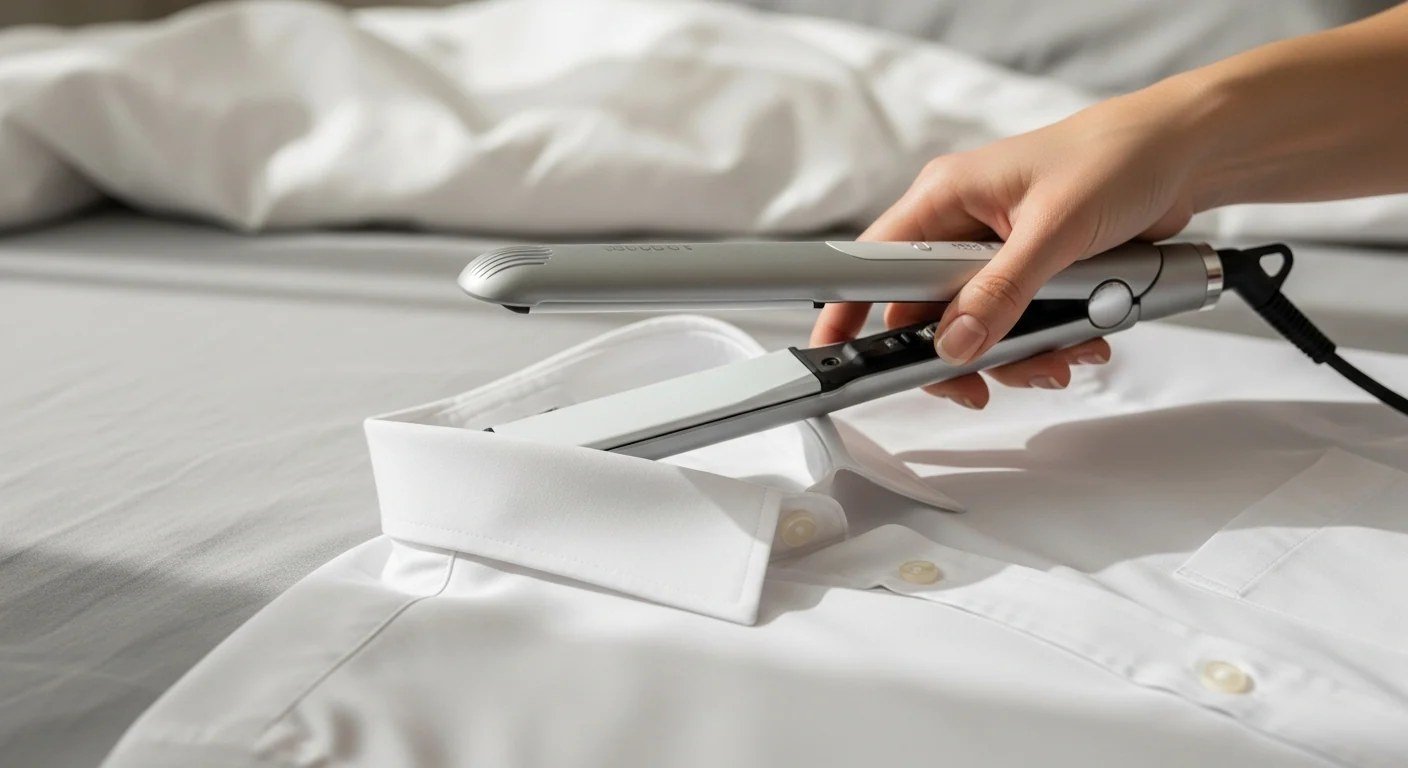
Use on completely dry hair with heat protectant, in sections no wider than the plates, one slow pass rather than several fast ones. Let hair cool before judging straightness, and finish with the lightest oil or serum only if frizz returns.
Fits a standard hair tools routine; the matching buying guide below gives the step by step for this category.
Cost level
Varies by brand and format; judge by the criteria in this guide rather than headline prices.
Varies by brand and format; judge by the criteria in this guide rather than headline prices.
Downsides
It has a line of gristle through the centre that needs trimming or slicing around.
Mild flavour compared with fattier cuts, and the highest price per kilo.
The Products Behind This Comparison
Comparisons are settled by real products, so the full line up from the buying guide Best Flat Iron for 4c Hair is set out here in the same detail: every product with its photo, full description, specifications, pros and cons, and who should buy or skip it.
1 inch ceramic plates with volcanic rock minerals – sonic vibrating plate technology – digital heat up to 450°F – 1 hour auto shut off – 5 year warranty
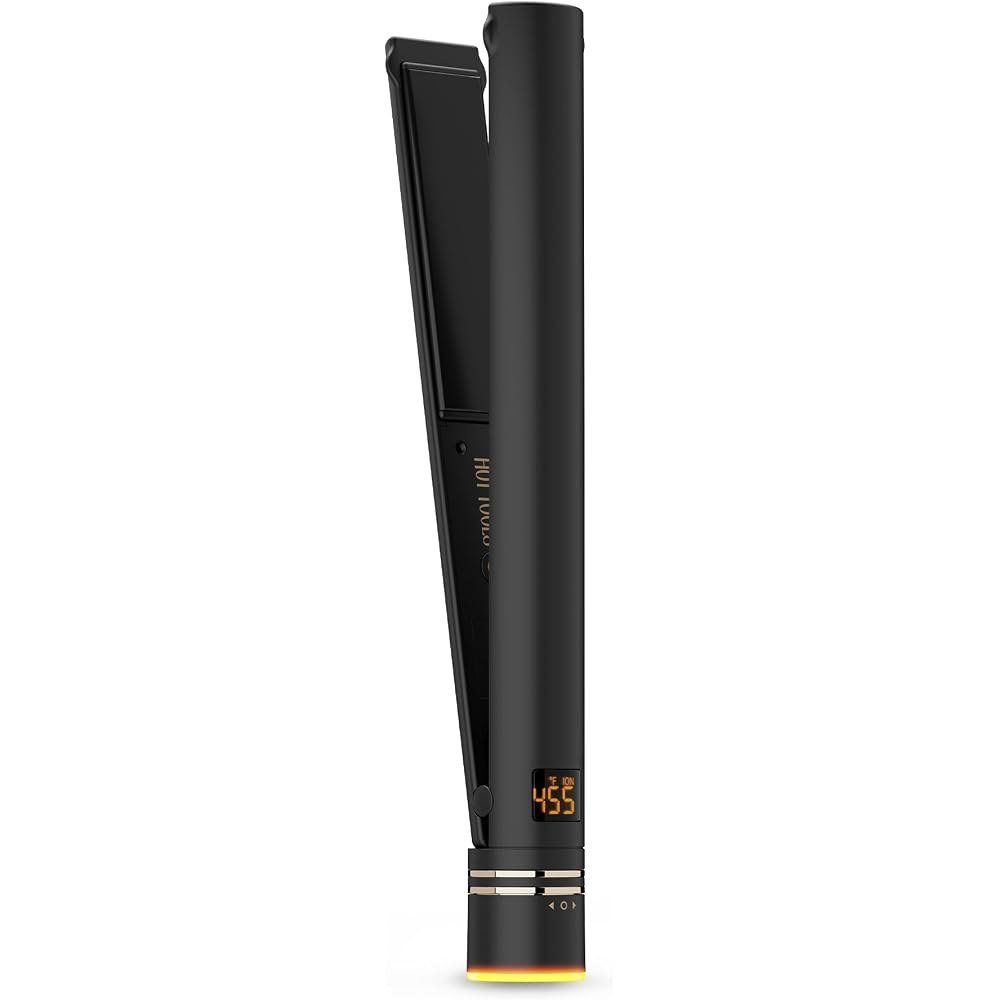
1.25 inch plates with 24K gold styling surface – digital LCD display – heat up to 455°F – 2 hour auto shut off – dual voltage – rotating temperature dial
Colour coded display shows the heat zone at a glance
1 inch ceramic plates infused with titanium – colour coded digital LCD temperature control – heats to 425°F in 40 seconds – 1 hour auto shut off – dual voltage
1 inch ceramic plates infused with argan oil and keratin micro conditioners – digital LCD controls – 9 heat settings from 300°F to 450°F – auto shut off
1.25 inch nano titanium plates – digital temperature display – adjustable heat up to 450°F – curved plate edges for styling versatility – auto shut off
Flexing manganese copper alloy plates – cord free use up to 30 minutes – 3 heat settings, 330°F, 365°F and 410°F – OLED display – universal voltage and flight mode
BaBylissPRO Nano Titanium Ultra-Thin Straightener 1.5 inch
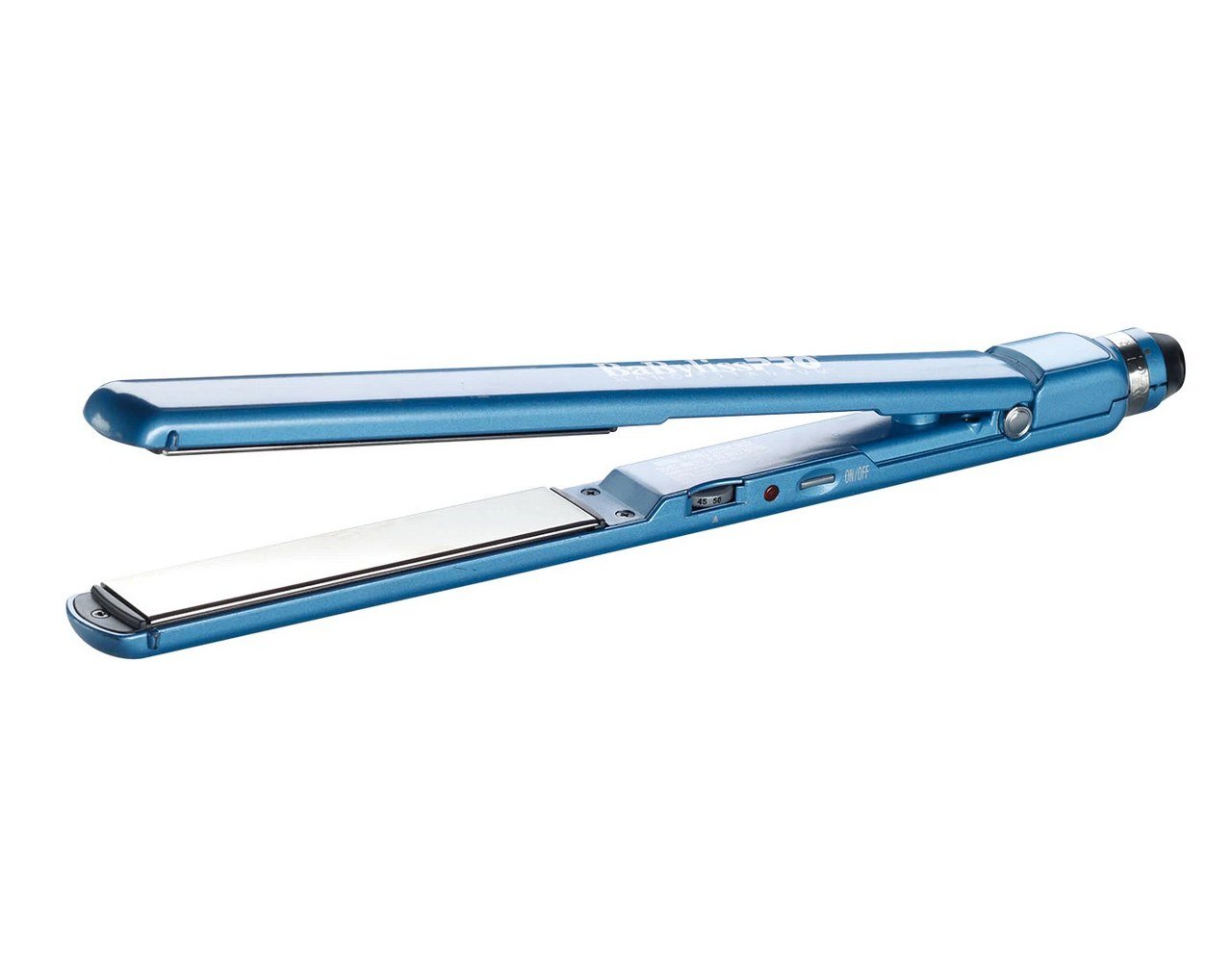
A silk press on 4c hair is a plate length problem before it is a heat problem: short plates mean more passes, and more passes mean more damage and more frizz by noon. This iron answers with the longest plates in the guide, five inches of nano titanium in a slim 1.5 inch housing, so a properly detangled, tension held section is covered root to tip in one slow pass instead of two or three. Titanium heats fast and holds its temperature evenly, and the 50 settings running to 450°F let experienced hands use the high heat dense coils need for a lasting press while keeping lower settings for edges and leave out. The ultra thin housing gets close to the root without the bulk that makes wide irons clumsy around the hairline, and the plates double for loose waves on press day two or three. The honest trade offs are real: titanium’s aggressive heat transfer punishes sloppy technique, there is no automatic shut off timer worth relying on, and the slim body offers little insulation, so a heat glove is sensible at the top settings. It is also a single purpose professional tool at a professional price. For 4c hair that needs maximum coverage per pass and genuine 450°F heat, it is the benchmark the rest of this guide is measured against.
Specifications
1.5 inch nano titanium plates
5 inch extended plate length
50 heat settings up to 450°F
ionic technology
dual voltage
4 year warranty
Pros
Five inch plates cut the number of passes
True 450°F ceiling for dense coils
Slim housing reaches close to the root
Cons
Titanium heat punishes poor technique
No meaningful auto shut off
Professional price for a single tool
Who should buyyou silk press dense 4c hair and want the fewest possible passes at full heat
Who should skipyou are new to pressing and want a more forgiving ceramic iron first
The 10X is built around a claim no other iron here makes: its plates vibrate. Bio Ionic’s sonic technology pulses the ceramic plates so hair glides through with less drag and, the brand says, styles in as little as ten minutes, because the vibration keeps strands in constant even contact instead of letting them bunch and slip. On tightly coiled hair the practical effect is a smoother single pass with less of the tugging that breaks up a section before the heat has done its work. The plates themselves are ceramic infused with volcanic rock minerals, the brand’s Bio Ionic Moisturizing Heat approach, which aims for even heat without the hot spots that scorch fine edges while leaving roots puffy. Digital control runs to a full 450°F, which 4c silk presses need, and the one inch width is the right size for presses that also need curling, bumping ends and working smaller sections around the face. A one hour auto shut off and a five year warranty, the longest cover in this guide, round out a genuinely premium package. The costs are the price, which sits at the top of the guide, and a vibrating plate feel that some stylists love and others find distracting for the first few uses. For press results with fewer passes and less drag, it earns its money.
Specifications
1 inch ceramic plates with volcanic rock minerals
sonic vibrating plate technology
digital heat up to 450°F
1 hour auto shut off
5 year warranty
Pros
Vibrating plates reduce drag and bunching
Full 450°F with even ceramic heat
Five year warranty, best in this guide
Cons
Top of guide pricing
Vibration takes a few uses to get used to
One inch plates mean more sections on very thick hair
Who should buyyour presses suffer from dragging and uneven sections and you want the smoothest single pass available
Who should skipyou press very thick hair in bulk and need a wider plate
The Evolve is the iron salons reach for when a press has to survive humidity, built on Hot Tools’ Black Gold styling surface, a 24K gold and ceramic titanium blend chosen because gold holds an exceptionally even temperature across the whole plate. That evenness is what a 4c silk press actually needs: the puffiness that returns by evening usually starts where a cooler plate corner under processed the roots. The digital range runs to 455°F, the highest ceiling in this guide, with an LCD display and a rotating dial at the base that adjusts temperature without the accidental button presses that plague side button irons mid section. At 1.25 inches the plates split the difference between the wide BaBylissPRO and the precision one inch irons, covering good ground per pass while still curling and detailing comfortably, and the rounded housing makes it a natural press and curl tool. Dual voltage and a two hour auto shut off make it the most travel and forgetfulness friendly pick here. The trade offs are a premium price, a slightly heavier hand feel than the ultra thin irons, and gold surface care: it wants wiping clean of product build up to keep that even heat honest. For press longevity in real weather, it is a formidable tool.
Specifications
1.25 inch plates with 24K gold styling surface
digital LCD display
heat up to 455°F
2 hour auto shut off
dual voltage
rotating temperature dial
Pros
Highest heat ceiling here at 455°F
Gold surface holds very even temperature
Rotating dial avoids mid press button accidents
Cons
Premium price
Heavier than the slim irons
Surface needs regular cleaning of build up
Who should buyyour presses puff up in humidity and even plate heat is your priority
Who should skipyou want the lightest possible iron for long press sessions
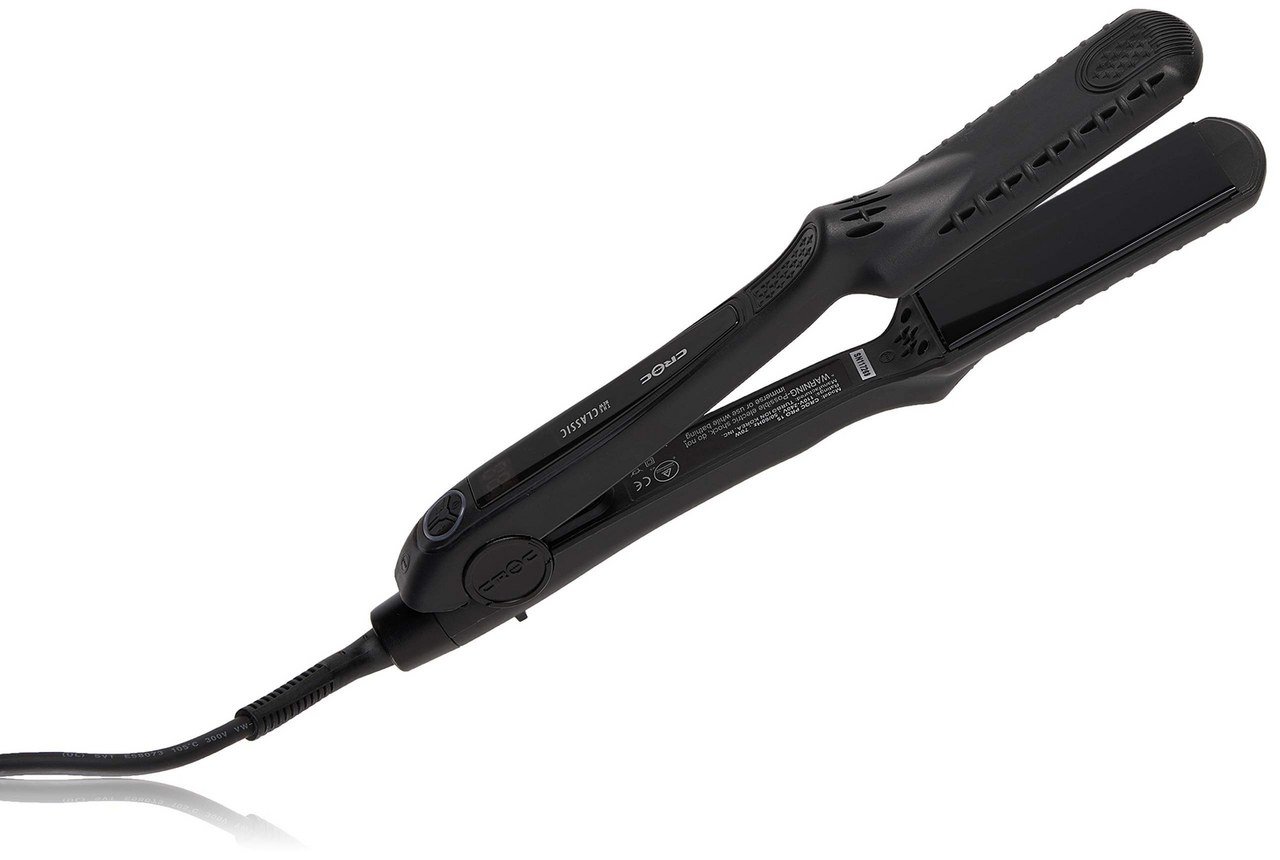
CROC built its name in professional salons, and The Classic is the iron many press specialists learned on: wide 1.5 inch titanium plates over ceramic heaters, digital control to 450°F, and a build that tolerates being used all day, every day. For 4c hair the appeal is straightforward. The wide plates cover dense sections quickly, titanium’s fast, stable heat keeps up when you are working through a lot of hair without the temperature sagging between sections, and the floating plate design keeps pressure even so the middle of a section is not pressed harder than the edges. The digital display is simple and legible, the housing stays relatively cool in the hand for a titanium iron, and the whole tool feels deliberately unglamorous in the way professional kit does. It lacks the extended plate length of the BaBylissPRO, so very long hair needs a second pass on the ends, and there is no dual voltage for travel. The design has also been widely imitated, so buy from an authorised seller to get the genuine heaters and warranty. None of that changes what it is: a durable, wide, hot, honest salon iron that presses 4c hair efficiently and will outlast most of the irons in this guide. Stylists buy it in pairs for a reason.
Specifications
1.5 inch titanium plates
digital heat up to 450°F
ceramic heating elements
auto shut off
salon length cord
Pros
Wide plates and stable heat for dense hair
Floating plates keep pressure even
Professional build made for daily use
Cons
No dual voltage for travel
Widely imitated, buy authorised
Standard plate length, long hair may need a second pass
Who should buyyou want a wide salon grade iron that will take years of regular presses
Who should skipyou travel internationally with your iron and need dual voltage
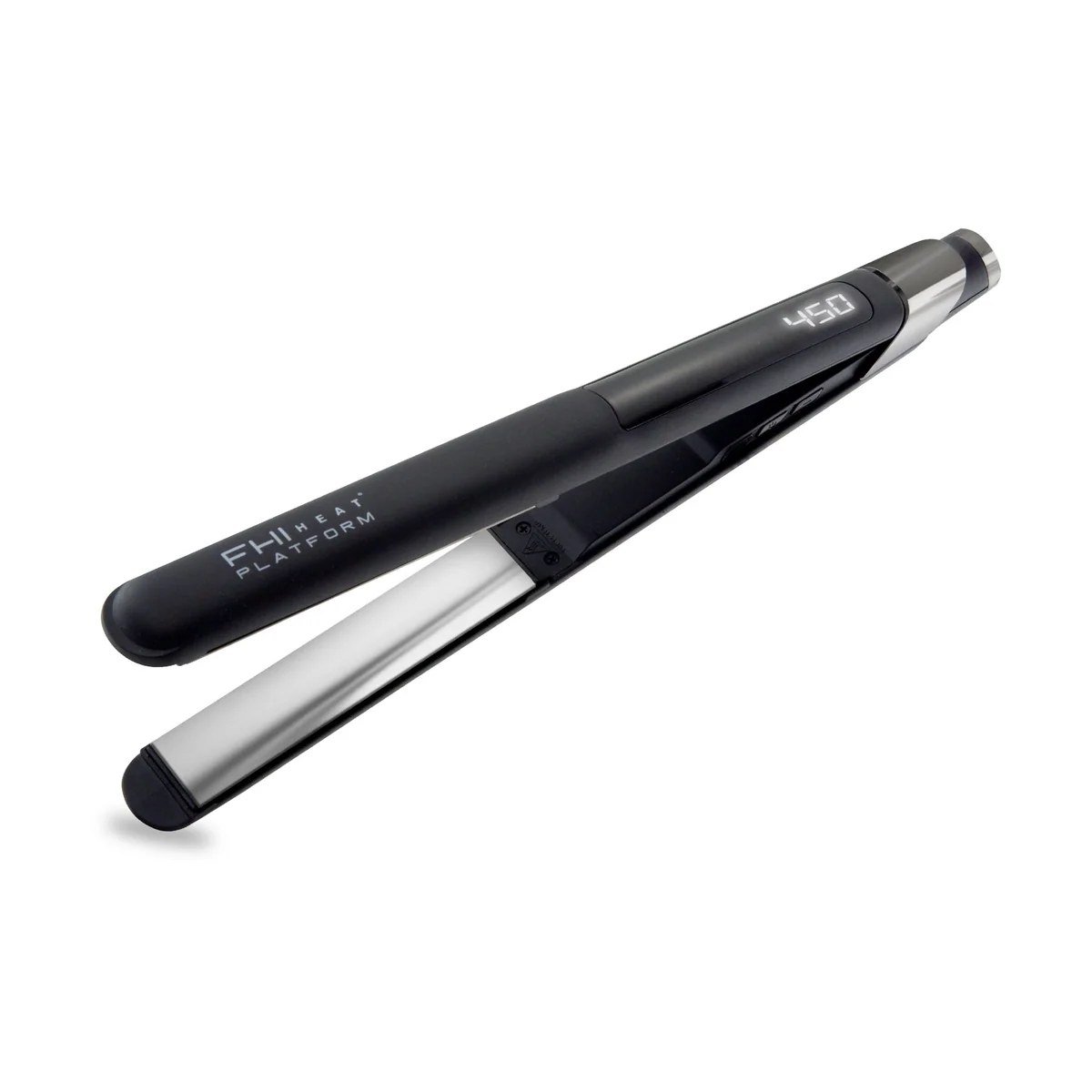
The Platform Ti Sleek is the quiet professional of this guide: solid titanium plates, a very wide temperature span from 140°F all the way to 450°F, and heat recovery fast enough that back to back sections do not drag the plates below the set point. That recovery matters more on 4c hair than almost any headline feature, because a press is dozens of sections in a row, and an iron that cools a few degrees with every pass leaves the last sections under done and frizzy by comparison. The 140°F floor is the other half of its range story: the same iron that silk presses at 430°F can drop low enough to smooth a leave out, relax a lace front’s hairline or touch up edges without the scorch risk of a hot comb. The 1.25 inch plates sit in the versatile middle, wide enough for efficient pressing, narrow enough for curls and detail work, and the beveled edges help it double as a curling tool. The compromises are a price in the professional band, a utilitarian design with no display gimmicks to hide behind, and titanium’s usual warning: its heat is assertive, so fine or damaged sections should start low. For one iron that covers the whole temperature map of textured hair work, this is the connoisseur’s pick.
Specifications
1.25 inch solid titanium plates
adjustable heat 140°F to 450°F
rapid heat recovery
1 hour auto shut off
professional length cord
Pros
Widest useful range, 140°F to 450°F
Fast recovery keeps heat steady across sections
Versatile 1.25 inch size presses and curls
Cons
Professional band pricing
Plain, utilitarian design
Titanium heat is assertive on damaged sections
Who should buyyou want one iron that silk presses and also does low heat detail work
Who should skipyou prefer ceramic’s gentler heat over titanium
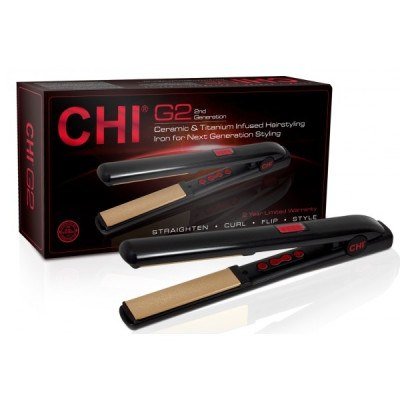
The G2 is CHI’s refinement of the iron that defined home straightening, and its party trick is genuinely useful on textured hair: the digital LCD changes colour with temperature, blue up to 370°F for fine hair, green through the middle range, red from 400°F for coarse hair, so the right heat zone for a 4c press is visible at a glance instead of guessed from a dial. The ceramic plates are infused with titanium for durability and smoother glide, and the iron reaches its 425°F maximum in about 40 seconds, which makes it the quickest starter in this guide and a natural for morning touch ups on an existing press. The one inch width and slim profile excel at roots, edges, short cuts and curling, and dual voltage with an hour’s auto shut off make it the easiest travel companion here. The limitations define its lane: 425°F is a lower ceiling than the 450°F irons, so the densest, most resistant coils may need an extra pass, and one inch plates make a full press on thick, long hair a longer job than the wide irons. As a first quality iron, a travel iron, or the detail tool beside a wide press iron, it is excellent. As the only iron for heavy 4c pressing, the wider picks serve better.
Specifications
1 inch ceramic plates infused with titanium
colour coded digital LCD temperature control
heats to 425°F in 40 seconds
1 hour auto shut off
dual voltage
Pros
Colour coded display shows the heat zone at a glance
Fastest heat up here, about 40 seconds
Dual voltage and auto shut off for travel
Cons
425°F ceiling is below the 450°F irons
One inch plates slow down full presses
Best as a detail and touch up tool on dense hair
Who should buyyou want a fast, travel friendly iron for touch ups, edges and shorter hair
Who should skipyou need maximum width and heat for full presses on dense hair
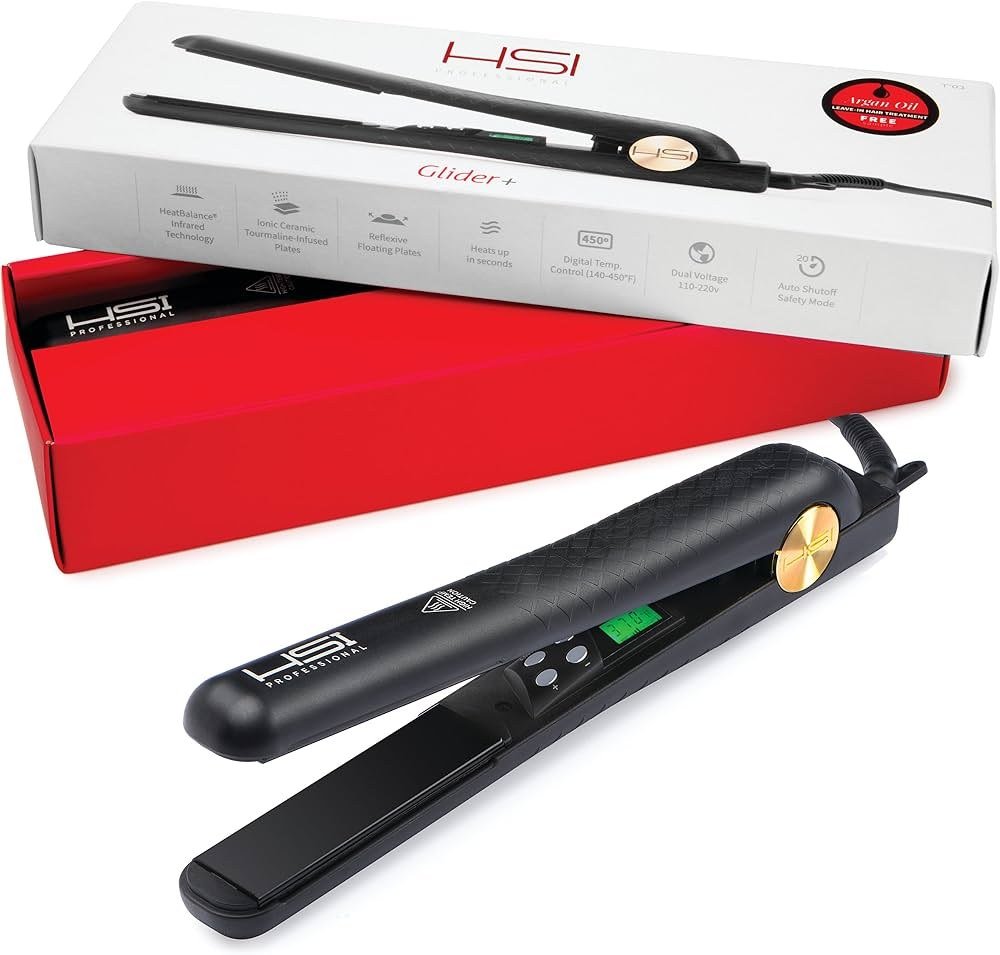
The Glider Plus is the value engineered entry in this guide, and its specification is more serious than its price suggests. The ceramic tourmaline plates carry HeatBalance micro sensors that regulate temperature across the plate surface, the control runs the full span from 170°F to a genuine 450°F, and the kit arrives with a heat glove, a carry pouch and a small argan oil sample, everything a first time presser needs in one box. On 4c hair it performs respectably: the 450°F ceiling is the real thing, the plates float to keep pressure even, and tourmaline ceramic is kinder to hair that is fine, fragile or chemically treated than bare titanium. Where the budget shows is in the details the premium irons polish away. Heat recovery between sections is slower, so a full press on dense hair takes longer, the one inch plates cover less ground per pass, and the housing and hinge feel lighter and less durable than the salon tools above it. Longevity reports are correspondingly mixed, which is why it sits where it does. Judged as what it is, a complete starter kit at a fraction of the professional irons’ cost that still reaches proper press temperatures, it is the easiest recommendation in this guide for anyone pressing at home on a budget.
Specifications
1 inch ceramic tourmaline plates
HeatBalance micro sensors
adjustable heat 170°F to 450°F
dual voltage
includes heat glove, carry pouch and argan oil sample
Pros
Full 450°F range at a budget price
Complete kit with glove and pouch included
Ceramic tourmaline is gentle on fragile hair
Cons
Slower heat recovery between sections
One inch plates cover less ground
Lighter build, mixed longevity reports
Who should buyyou are pressing at home on a budget and want a complete kit that still reaches 450°F
Who should skipyou press weekly and need salon build durability
Shine Therapy is the drugstore iron with a genuinely interesting idea: its ceramic plates are infused with argan oil and keratin micro conditioners that the brand says transfer to hair during styling, trading a little of the laboratory purity of the professional irons for a softer, shinier finish at a fraction of their price. The supporting specification is respectable rather than token. Digital controls offer nine settings running to a real 450°F, the plates float for even pressure, and an LCD keeps the temperature honest, all features that budget irons often fake or omit. On 4c hair it handles presses competently on fine to medium density hair and excels as a maintenance iron for smoothing roots and reviving a press mid week, where its conditioning plate story flatters the finish. Its limits are the familiar budget ones: one inch plates mean a full press on thick hair is slow work, heat recovery trails the salon tools, and the infused plate benefit fades as the plates age, so it should be judged as a good inexpensive iron rather than a treatment. The build is light, which wrists will appreciate and durability purists will not. For the price of a salon blowout, though, it delivers real temperature range and a polished finish, and that earns it a place here.
Specifications
1 inch ceramic plates infused with argan oil and keratin micro conditioners
digital LCD controls
9 heat settings from 300°F to 450°F
auto shut off
Pros
Real 450°F range at a drugstore price
Conditioning infused plates flatter the finish
Digital controls with nine settings
Cons
One inch plates slow full presses on thick hair
Plate infusion fades with age
Light build will not match salon durability
Who should buyyou want a capable maintenance and touch up iron without salon pricing
Who should skipyou need a wide, fast iron for regular full presses
Kristin Ess built her line to put salon thinking into mass retail, and this iron is the clearest example: nano titanium plates at 1.25 inches, a digital display with heat running to 450°F, and curved edges that let the same tool press, wave and curl without a hard line where the plate ends. For 4c hair the titanium plates bring the fast, assertive heat dense coils respond to, and the mid width plate is the most versatile size in this guide for hair that is pressed one day and curled the next. The temperature control is digital and honest, the design is the prettiest here if the tool lives on a counter, and the price lands well below the professional irons it imitates. The compromises are in refinement rather than specification. The heat recovery and plate float are good rather than exceptional, so resistant sections may want a slower pass, and the brand’s retail distribution means warranty support runs through the retailer rather than a professional service network. It also shares titanium’s standing warning: start lower than you think on fine or lightened sections. As a stylish, genuinely capable all rounder for home pressing and styling at a mid price, it holds its own against irons costing half as much again.
Specifications
1.25 inch nano titanium plates
digital temperature display
adjustable heat up to 450°F
curved plate edges for styling versatility
auto shut off
Pros
Titanium heat and 450°F at a mid price
Curved edges press, wave and curl
Digital display, not a vague dial
Cons
Heat recovery good, not salon grade
Retail warranty support only
Titanium needs care on lightened sections
Who should buyyou want one good looking iron that presses and curls at a fair price
Who should skipyou press professionally and need salon service support
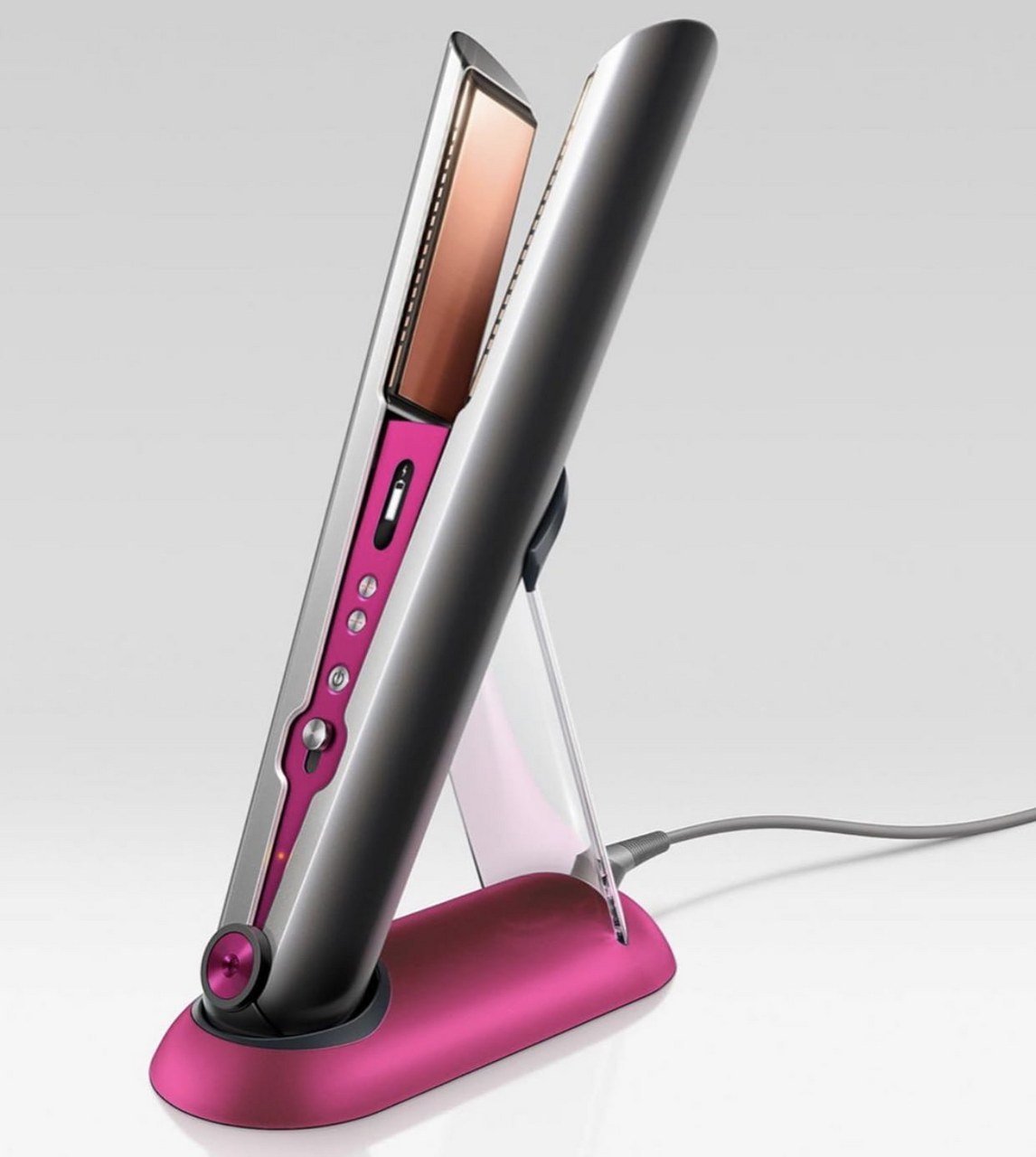
The Corrale is the most technologically unusual iron in this guide, and its idea is aimed squarely at the damage problem: its plates flex. The manganese copper alloy plates bend to gather the section, holding every strand under even tension and heat, so the brand’s claim is a proper press in fewer passes at lower temperatures than a rigid iron needs. It runs cord free for up to 30 minutes, which sounds like a convenience and turns out to be a styling advantage, no cord dragging across shoulders or tangling mid section, and it works plugged in for longer sessions. Three precise settings, 330°F, 365°F and 410°F, are shown on an OLED screen with ready alerts. Now the honest limits for this guide’s reader. The 410°F ceiling is real: on the densest, most resistant 4c hair it can leave roots less sleek than a 450°F iron, however clever the plates are, and it is by a wide margin the most expensive tool here. Battery life also caps truly long, thick presses unless it stays plugged in. What it offers instead is the gentlest route to a smooth result for hair that is fine, fragile, colour treated or damage wary, with engineering nobody else in this guide attempts. A luxury specialist, then, not the press workhorse, and judged that way it is superb.
Specifications
Flexing manganese copper alloy plates
cord free use up to 30 minutes
3 heat settings, 330°F, 365°F and 410°F
OLED display
universal voltage and flight mode
Pros
Flexing plates gather hair for fewer passes
Cord free freedom, works plugged in too
Gentlest route for fragile or treated hair
Cons
410°F ceiling limits the densest coils
Most expensive iron in this guide by far
30 minute battery caps long sessions unplugged
Who should buyyour hair is fragile or colour treated and minimising passes matters more than maximum heat
Who should skipyou need 450°F and wide plates for resistant coils on a budget
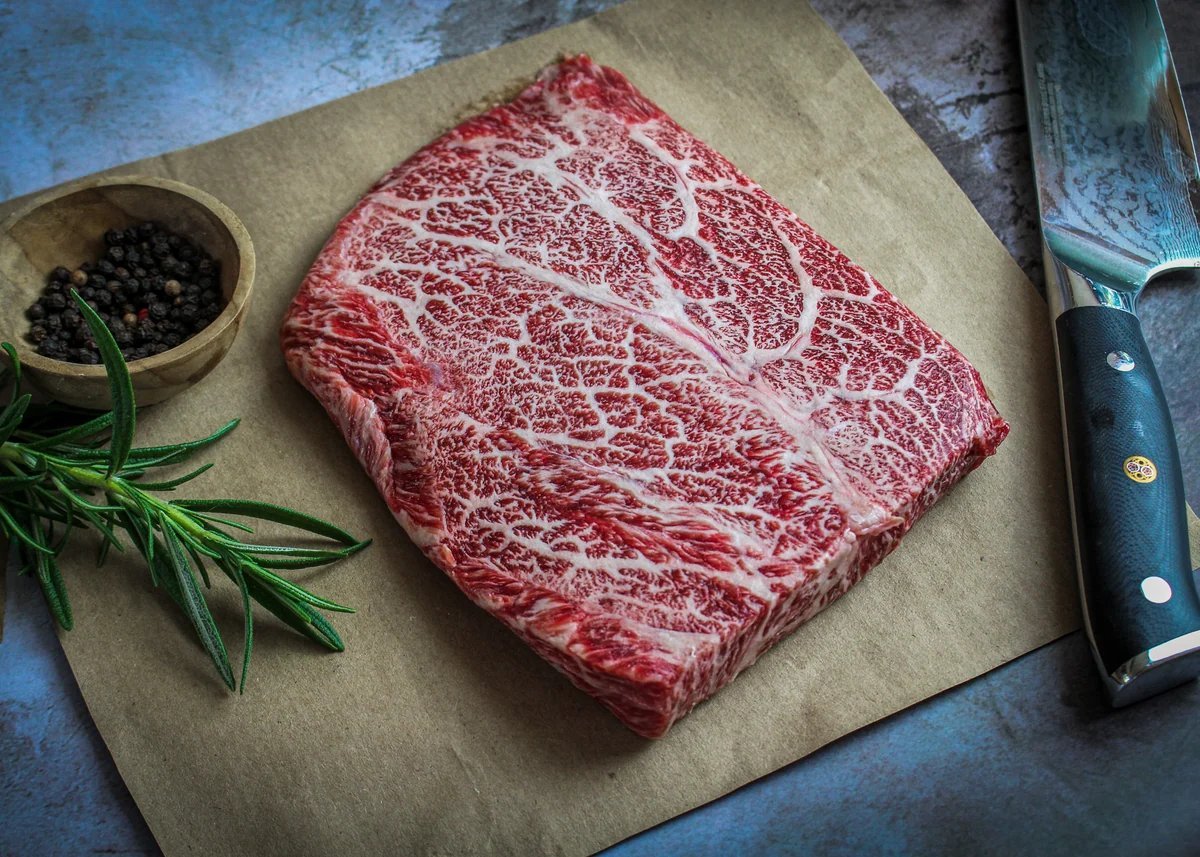
A cut of beef from the chuck, named for its flat, iron like shape, known as a flavourful, good value steak when cooked well.
How it works: Its marbling gives beefy flavour, best cooked to medium rare and sliced across the grain.
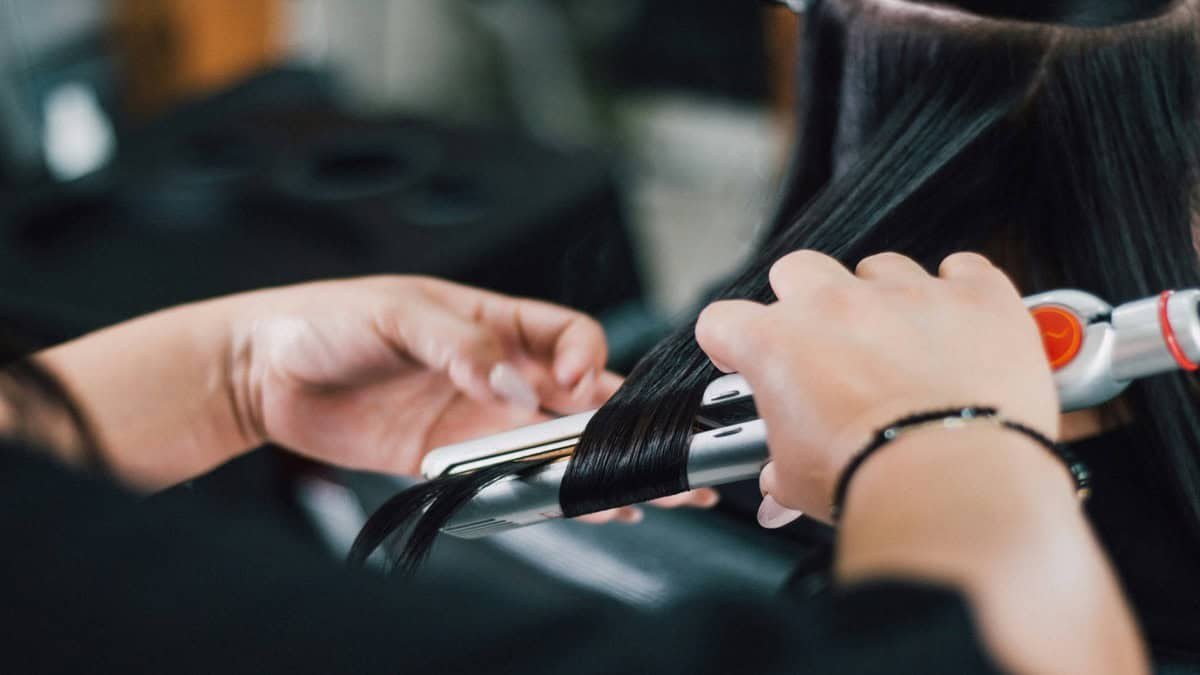
Plate material and float decide results: ceramic and tourmaline plates spread heat evenly, titanium heats fast and holds high temperatures for coarse or resistant hair, and floating plates keep pressure even so hair does not snag. Width follows hair length and thickness: narrow plates for short hair and detail work, wide plates for long, thick hair. A genuine low end to the temperature range is what makes an iron safe for fine or damaged hair.
Best for: Cooks wanting a rich flavoured steak without filet prices.
In your routine: Use on completely dry hair with heat protectant, in sections no wider than the plates, one slow pass rather than several fast ones. Let hair cool before judging straightness, and finish with the lightest oil or serum only if frizz returns.
What Is Filet Mignon?
A small, thick cut from the tenderloin, the most tender steak cut, with a mild flavour and very little fat.
How it works: The tenderloin muscle does little work, so the meat is exceptionally soft.
Best for: Occasions calling for maximum tenderness and a lean, delicate steak.
The Downsides of Each
Flat Iron Steak: It has a line of gristle through the centre that needs trimming or slicing around. The commonest way people make it worse: ironing damp hair, which boils the water inside the shaft and causes bubble damage no treatment reverses
Filet Mignon: Mild flavour compared with fattier cuts, and the highest price per kilo.
Verdict by Use Case
Choose Flat Iron Steak if cooks wanting a rich flavoured steak without filet prices. That is the use case where its strengths matter most, and where its main downside, it has a line of gristle through the centre that needs trimming or slicing around.
Choose Filet Mignon if occasions calling for maximum tenderness and a lean, delicate steak. That is the use case where its strengths matter most, and where its main downside, mild flavour compared with fattier cuts, and the highest price per kilo.
If your situation sits between the two, the deciding question is usually effort: which option fits the routine you will actually keep for the next three months? The better option on paper loses to the one you use consistently, in almost every hair tools category.
Can You Use Both?
In many hair tools routines the options complement each other: used at different times, on different days or for different areas, each covering the other’s weak ground. The cautions are overload and duplication: do not run both at full intensity in the same session, and do not pay twice for the same job. Introduce any combination gradually, one change at a time, so you can tell what each option is actually doing for you.
How to Decide
Work through three questions in order. First, which option matches your type: the table’s best for row is written for exactly this, and a mismatch there outweighs every other advantage. Second, which downside can you live with: every option in this comparison has one, and the right choice is usually the one whose downside does not touch your actual problem. Third, which fits the routine you already keep: the option that slots into your existing hair tools habits will still be in use in three months, and consistency is what turns a reasonable choice into a good result. If the answers point different ways, weight them in that order: type, downside, routine.
Which is better overall, flat iron steak or filet mignon?
There is no universal winner: the better option is the one matching your skin or hair type, routine and the use cases in the verdict section above. The difference table shows where each one genuinely leads, and the downsides section shows what each one costs you.
Can I use both in the same routine?
In many hair tools routines the two can complement each other, used at different times or for different areas, as long as the combination does not overload skin or hair. Introduce any combination gradually, and keep the total intensity at a level your routine can sustain.
Which is better for beginners?
Beginners usually do best with the option that has the gentler learning curve and the fewer downsides for their type, as set out in the table. Start there, and switch only if your needs change.
Which is better for delicate or damaged hair?
The option with the shorter, gentler downside list for your type: compare the downsides row in the table first, start with the milder option, and patch test or trial at the lowest intensity before committing. If your skin or hair is under a clinician’s care, their sequencing comes first.
Which works out cheaper over time?
Compare total cost, not shelf price: how much product or how many consumables each option uses per month, how long a unit lasts in real use, and what you would otherwise spend on the alternative. In this category the cheaper option per use is often the one people abandon, which makes it the most expensive of all.
How do I decide if I can only choose one?
Match the option to your type first, using the best for row in the table, then check that its main downside does not overlap with the problem you are trying to solve. Finally, pick the one that fits the routine you already keep, because three months of consistent use with the second best option beats three weeks of the best one.
What is the best flat iron for 4c hair?
The buying guide Best Flat Iron for 4c Hair compares the leading options for this exact need against the criteria that matter, with specifications, honest pros and cons, and a clear statement of who should skip each pick. It is linked from this page.
By Mirror & Glow Editorial Desk – November 23, 2026
Plate material and float decide results: ceramic and tourmaline plates spread heat evenly. This guide applies that to can you use flat iron steak for beef and broccoli: the method, the timing, and the traps to avoid.
By Mirror & Glow Editorial Desk – November 23, 2026
How to Use Flat Iron for Clothes Step by Step? A flat iron presses hair between two heated plates to straighten it — the guide explains the why, the step by step how, and what to do when it does not work.
By Mirror & Glow Editorial Desk – November 23, 2026
Plate material and float decide results: ceramic and tourmaline plates spread heat evenly. This guide applies that to what is flat iron steak called at the grocery store: the method, the timing, and the traps to avoid.