By Mirror & Glow Editorial Desk – November 23, 2026
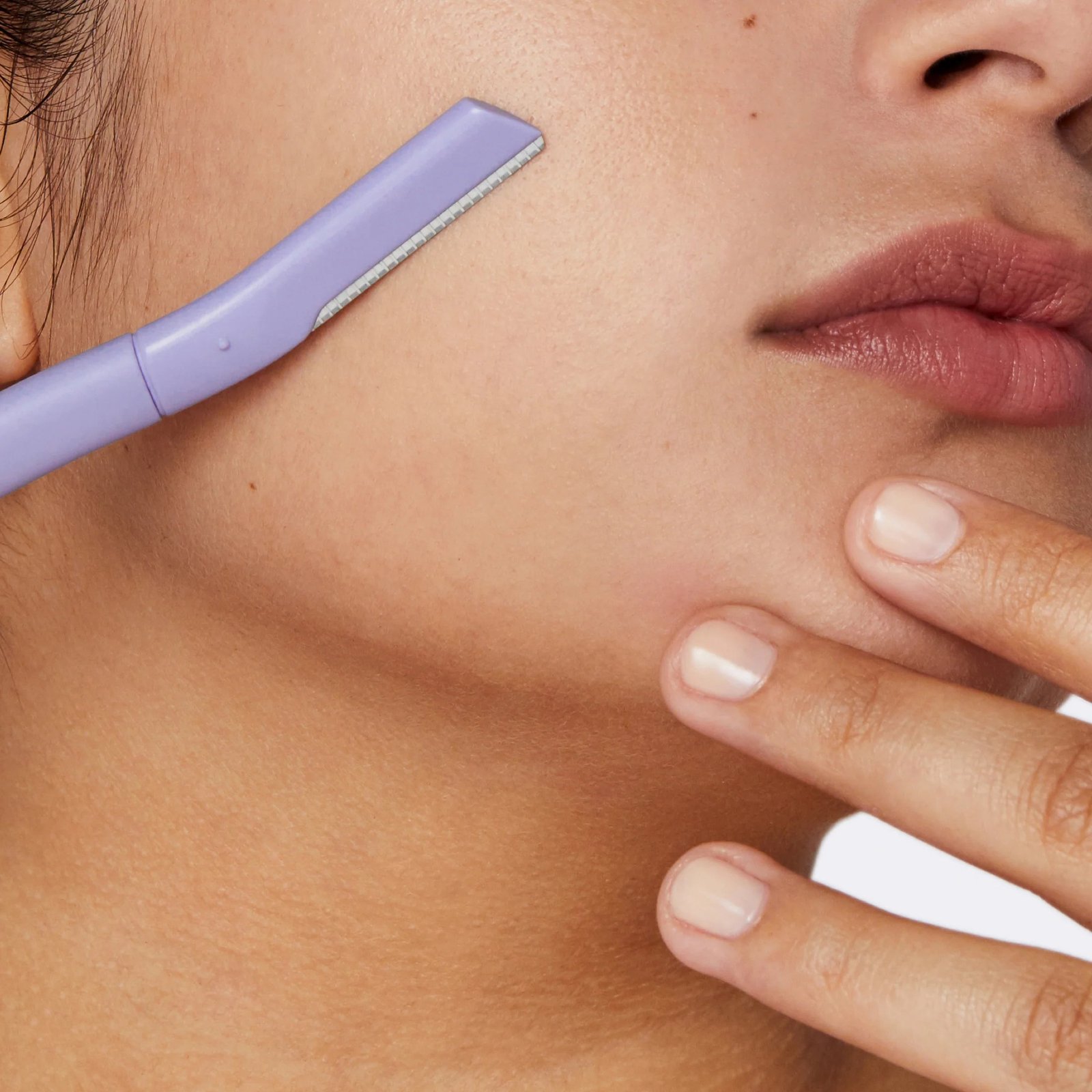
Woman dermaplaning her cheek with a facial razor.
The direct answer: in most cases yes, with conditions. Whether you can use dermaplaning before laser hair removal depends on the products involved, your skin or hair type, and how you layer or time them. The guide below gives the conditions, the safe way to do it, and the situations where the answer becomes no.
Dermaplaning Explained
Dermaplaning is exfoliation and vellus hair removal with a single blade drawn across the skin at an angle, removing the top layer of dead cells and peach fuzz together. At home it is done with small guarded facial razors; professionally, with a surgical blade.
The immediate effect is smoothness and better makeup application, because both the rough surface and the fine hairs that catch product are gone. It does not change hair growth: the follicle is untouched, and regrowth feels blunt because the hair was cut at an angle, not because it thickened. The risks are nicks and irritation, and it is avoided over active acne, eczema or rosacea flares, where the blade spreads irritation and can trigger breakouts.
Putting It Into Practice
On clean, dry skin, hold the skin taut and use short, light strokes downward at a shallow angle, once every three to four weeks at most. Moisturise after, skip other exfoliants that day, and sunscreen the following days.
Build the habit at the gentlest effective level first and attach it to something you already do, after a shower, before bed, with your morning routine, because techniques attached to existing habits survive. Keep the rest of your skincare routine stable while you judge the change, and give the routine the full period the product guidance describes before deciding it does not work.
Step by Step: Dermaplaning
The method below is the standard technique for this category, in the order that makes each step work. Adapt the amounts to your own skin or hair, and keep the order. If you still need the product itself, the buying guide Best Dermaplaning Tool for Mature Skin compares the current options for this exact need.
Start with clean, dry or slightly damp skin as the product type directs
Apply the amount stated on the product, usually a pea sized amount or two finger lengths for sunscreen
Introduce one new active at a time and give it at least two weeks before judging
Use the product at the time of day it is designed for, and always finish morning routines with sunscreen
Note any stinging, breakouts or dryness in the first week and adjust frequency before giving up
Getting Dermaplaning Right in Your Routine
Fit matters more than intensity with dermaplaning. Build the habit at the gentlest effective level first: the right product amount, the right frequency for your type, and one change at a time so you can see what is actually helping. Keep the rest of your skincare routine stable while you judge the change, and give the routine the full period the product guidance describes before deciding it does not work.
Keep notes for the first two weeks: what you used, how much, and how your skin or hair felt the next day. That simple record answers most follow up questions, including whether a reaction came from the new step or from something layered with it.
Dermaplaning Products Compared
Product
Key Specification
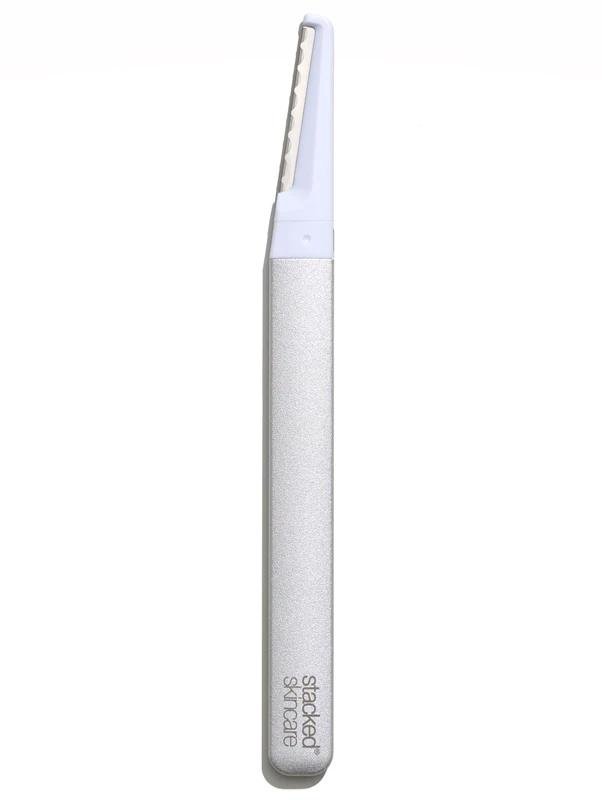
StackedSkincare Dermaplaning Tool
Reusable metal handle – replaceable single edge blades – designed for at home exfoliation – refills sold in packs
Dermaplaning is the in clinic exfoliation that home tools imitate, and the StackedSkincare is the home version a skin professional would recognise: a weighted handle, a proper single edge blade, and a technique based on angle and glide rather than pressure. For sensitive skin its virtue is control. Nothing is applied, nothing is left on, the stroke removes vellus hair and surface cells together, and a practised user can treat the cheeks, forehead and jaw in even passes and simply stop the moment skin objects. The expertise requirement is the honest warning. An unguarded edge punishes rushing, the sessions belong on calm skin only, never mid flare, sunburnt or while adjusting to strong retinoids, and frequency should be weekly at most, usually less. Refill blades are a standing cost. Ranked third here as the skilled option: for the sensitive user with a steady hand and a settled routine, it gives the cleanest, most chemical free result in the guide; for everyone else, the guarded tools below are the safer apprenticeship. The professional parallel is worth stating plainly: clinics dermaplane selected patients and decline others, and the home user should copy the selection, not just the stroke. Calm, unbroken, unmedicated skin only, and a diary note of the date, because frequency creep is how good tools earn bad reputations. In that discipline it is superb. Outside it, the foil at the top of this guide is waiting, without judgement.
Specifications
Reusable metal handle
replaceable single edge blades
designed for at home exfoliation
refills sold in packs
Pros
Pressure free strokes from weighted handle
No products applied or left on skin
Clinic style finish at home
Cons
Demands skill and an unhurried hand
Refills are a continuing cost
Wrong choice mid flare or on retinoids
Who should buyyou have a steady hand and calm, settled skin
The guarded facial razor is the compromise dermatology advice usually lands on for patients who want a blade method: an edge, but an edge with micro guards standing it off the skin, used dry, in short strokes, with nothing else in the routine that day. The Touch-Up is the mainstream version, with its comfort strip and slim control, and its ranking here reflects how often this format is the one reactive patients actually sustain. Sustainability is the unglamorous test. A method used correctly every week beats a theoretically gentler one abandoned after a month. The rules are what make it gentle: fresh razor, skin clean and fully dry, taut, single strokes with the grain, no pressing, no second passes, plain moisturiser after, and a hard stop if the skin is already irritated. Break the fresh razor rule and this becomes the guide’s most irritating tool, because a dull guarded blade drags. Kept to the rules, it clears fuzz and helps makeup sit evenly with a very low reaction rate. A final practical point for this audience: because the format is sold everywhere, the fresh razor rule is easy to keep while travelling, which is when routines and skin both tend to wobble. Buy a pack at the destination rather than packing a tired razor. Kept fresh and used lightly, it is the blade method most consistent with professional advice for sensitive skin, and its ranking here reflects that record.
Specifications
3 disposable razors per pack
fine micro guards on the blade
aloe and vitamin E comfort strip
pink and blue handles
Pros
Micro guards limit blade contact
Simple routine, easy to sustain
No chemicals or heat involved
Cons
Still blade contact, however guarded
Dull blades are the main reaction risk
Disposable format
Who should buyyou want a blade method your skin can sustain weekly
Who should skipyour skin reacts to any blade contact
Dermaflash is the original sonic dermaplaning brand, and the Luxe+ is its current flagship: a rechargeable handpiece with two speeds, single use Edge blades, and a kit that includes the brand’s PrepFlash cleanser to degrease the skin before treatment. The sonic action works the same way as the Sonicsmooth, letting the blade do the cutting while your hand simply guides, and the second, faster speed is genuinely useful on the coarser hair along the jawline that mature skin often develops. The exfoliation is thorough: owners consistently report the same result as a good manual session, with foundation sitting flatter afterwards, and the device shape sits comfortably in the hand for the ten minutes a full face takes. Where it loses ground to its rival is running cost and routine strictness. Edges are single use and proprietary, the brand insists on its own pre and post products for best results, and the upfront price is the highest in this guide. It is also a firmer treatment than the Sonicsmooth at its top speed, so sensitive mature skin should stay on speed one. If budget is secondary and you want the established sonic system with the strongest accessories range, the Luxe+ earns its place.
Specifications
Rechargeable sonic device
single use Edge blades
PrepFlash cleanser included
two speed settings
Pros
Two speeds handle fine fuzz and coarser jaw hair
Established brand with a full accessory range
Thorough exfoliation in about ten minutes
Cons
Highest upfront price in the guide
Single use proprietary Edges add running cost
Top speed can be too firm for sensitive skin
Who should buyyou want the established sonic system and the two speed range for mixed fine and coarse hair
Who should skipyour skin is sensitive or your budget is firm, where the gentler rival or a manual razor fits better
Starting three new actives in the same week, which makes reactions impossible to trace
Using more product than directed, which increases irritation without improving results
Skipping sunscreen while using brightening or exfoliating products, which undoes their work
Expecting visible change in days when most skincare actives need weeks of consistent use
Pressing or going over the same area repeatedly, which is how nicks and raw patches happen
Dermaplaning over active breakouts, which cuts spots open and spreads the problem
When to See a Professional
See a dermatologist or qualified professional if the concern is painful, spreading, bleeding, not improving after a consistent routine of several weeks, or if it appeared suddenly and severely. Nail changes such as thickening, colour change with pain, or separation from the nail bed also deserve professional assessment rather than cosmetic treatment. Buying guides support everyday care; they do not diagnose or treat medical conditions.
Can I Use Dermaplaning Before Laser Hair Removal – what is the most important thing to get right?
Consistency at the right level for your type. With dermaplaning, the correct amount and frequency used steadily will outperform an intense routine used occasionally, and it avoids most of the irritation that makes people abandon the routine.
How long does it take to see a difference?
Most skincare routines show their direction within two to four weeks of consistent use, with fuller results over two to three months for concerns involving skin renewal or hair growth cycles. Judge on that timeline, not on single days.
What if my skin or hair reacts badly?
Stop the new step, return to your simplest routine until things settle, and reintroduce only one product at a time if you try again. Persistent pain, swelling or spreading irritation is a reason to seek professional advice rather than push through.
What is the biggest mistake people make with dermaplaning?
Pressing or going over the same area repeatedly, which is how nicks and raw patches happen A close second: dermaplaning over active breakouts, which cuts spots open and spreads the problem
What should I check before starting with dermaplaning?
The immediate effect is smoothness and better makeup application, because both the rough surface and the fine hairs that catch product are gone. Beyond that, check the product’s own directions against your skin or hair type, start at the gentle end of any range, and change nothing else in your routine for the first two weeks so the result is readable.
What is the best dermaplaning tool for mature skin?
The buying guide Best Dermaplaning Tool for Mature Skin compares the leading options for this exact need against the criteria that matter, with specifications, honest pros and cons, and a clear statement of who should skip each pick. It is linked from this page.
By Mirror & Glow Editorial Desk – November 23, 2026
Best Dermaplaning Tool for Mature Skin: StackedSkincare Dermaplaning Tool first, Schick Hydro Silk Touch-Up close behind, every pick specced, photographed and given a buy or skip verdict.
By Mirror & Glow Editorial Desk – November 23, 2026
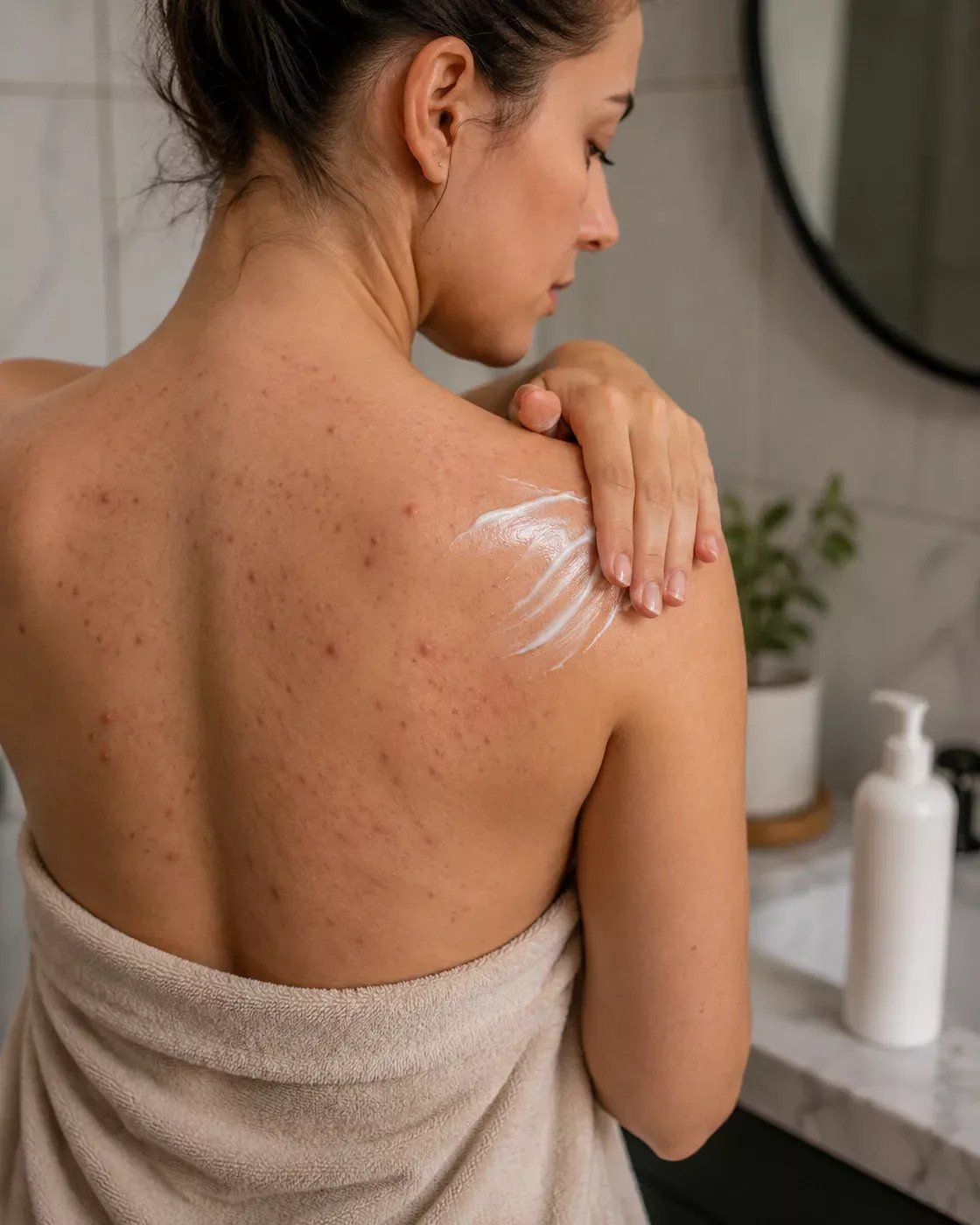
How to Get Rid of Acne Scars on Back? The short answer first, then the detail: one active at a time, introduced over two weeks, judged at eight to twelve weeks, with timing, amounts and the errors that stop it working.
By Mirror & Glow Editorial Desk – November 23, 2026
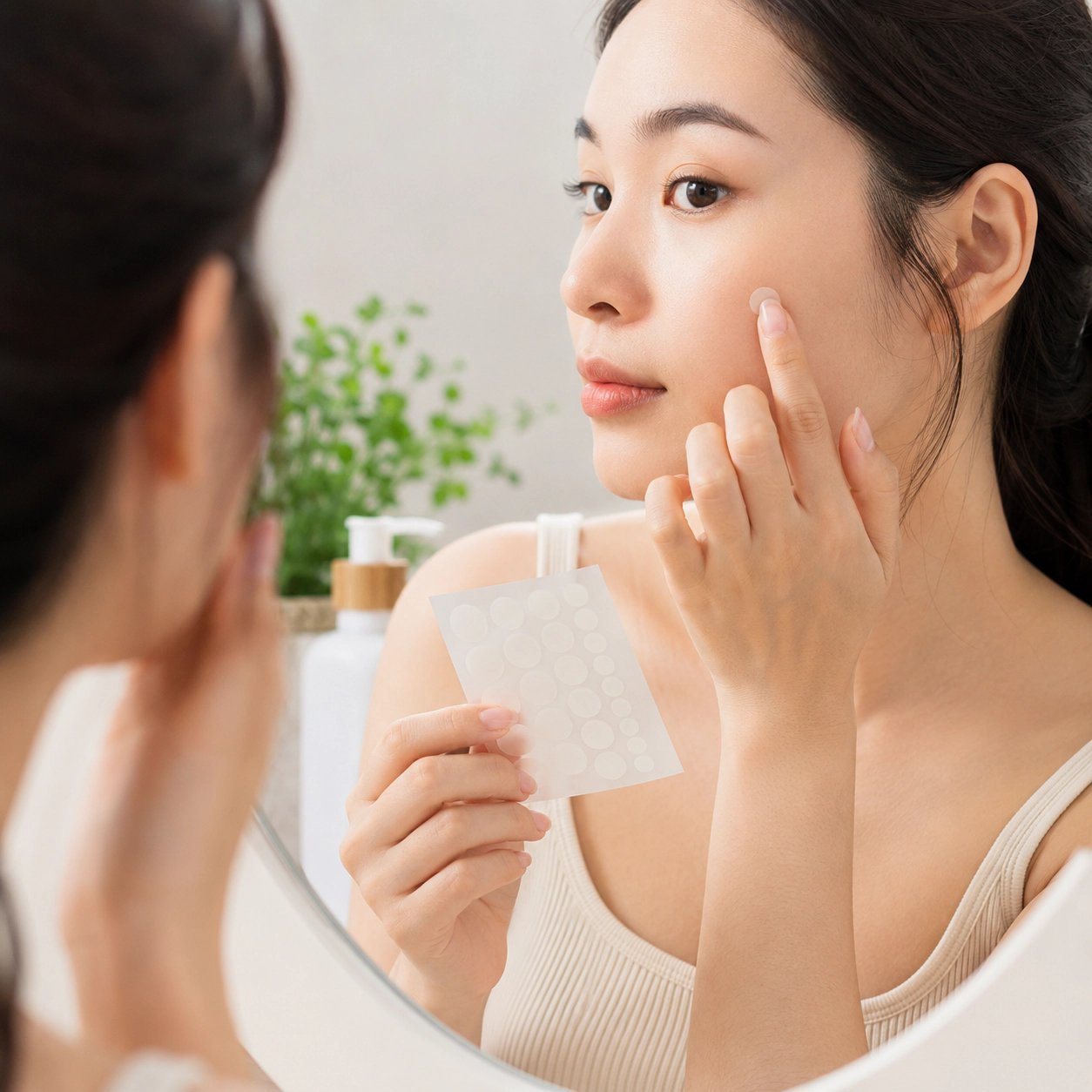
Hydrocolloid is a wound dressing material: it draws out fluid and turns white as it works. This guide applies that to how often to use pimple patches on a single spot: the method, the timing, and the traps to avoid.