Flat Iron Explained
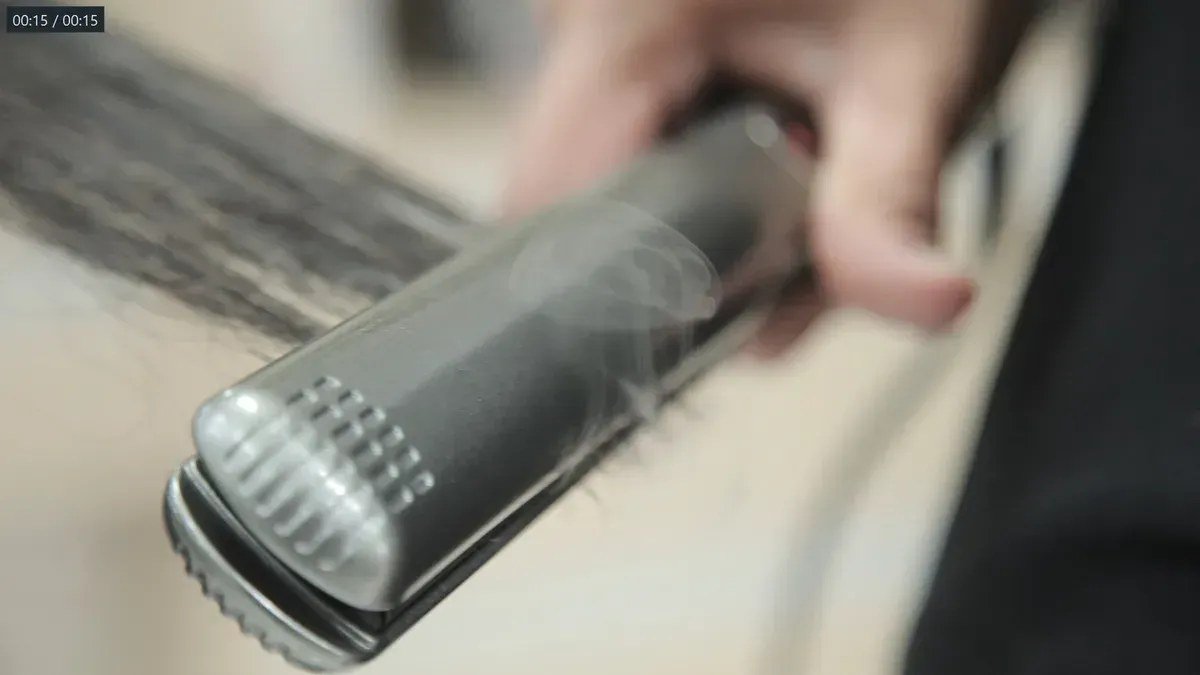
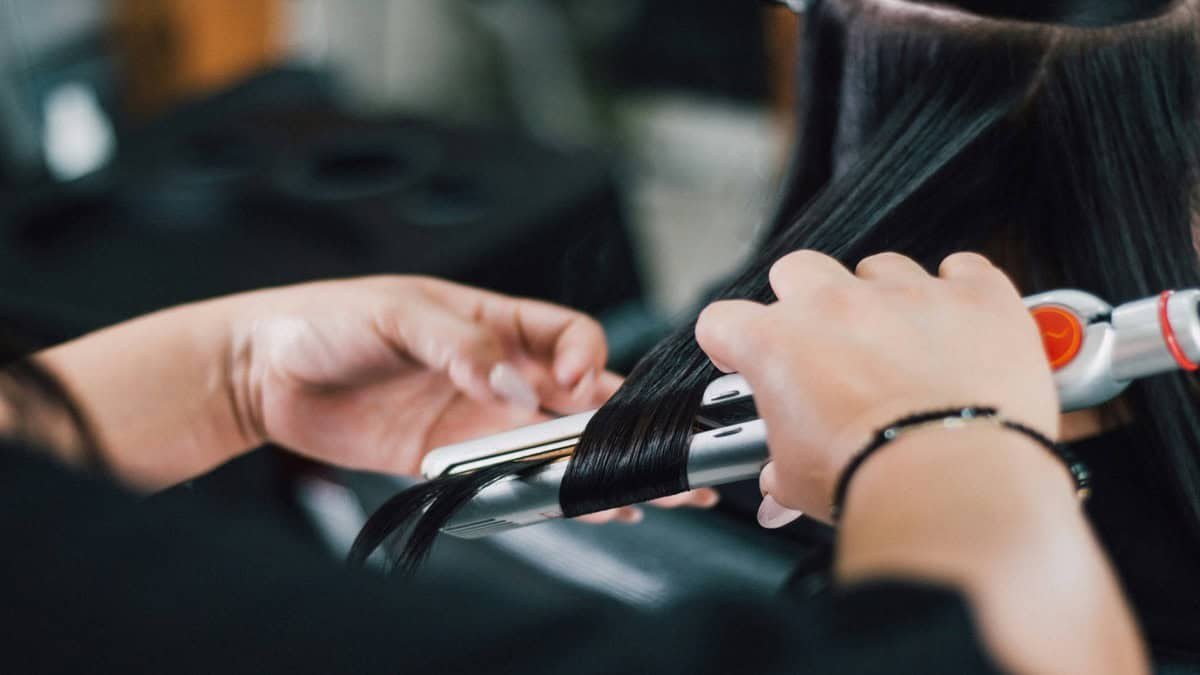
A flat iron presses hair between two heated plates to straighten it, and with a twist of the wrist it also makes waves and curls. It is the highest contact heat tool, which is why plate quality and temperature control matter more here than in any other styler.
Plate material and float decide results: ceramic and tourmaline plates spread heat evenly, titanium heats fast and holds high temperatures for coarse or resistant hair, and floating plates keep pressure even so hair does not snag. Width follows hair length and thickness: narrow plates for short hair and detail work, wide plates for long, thick hair. A genuine low end to the temperature range is what makes an iron safe for fine or damaged hair.
Putting It Into Practice
Use on completely dry hair with heat protectant, in sections no wider than the plates, one slow pass rather than several fast ones. Let hair cool before judging straightness, and finish with the lightest oil or serum only if frizz returns.
Build the habit at the gentlest effective level first and attach it to something you already do, after a shower, before bed, with your morning routine, because techniques attached to existing habits survive. Keep the rest of your hair tools routine stable while you judge the change, and give the routine the full period the product guidance describes before deciding it does not work.
Step by Step: Flat Iron
The method below is the standard technique for this category, in the order that makes each step work. Adapt the amounts to your own skin or hair, and keep the order. If you still need the product itself, the buying guide Best Flat Iron for 4c Hair compares the current options for this exact need.
- Start with clean, fully detangled hair and apply heat protectant evenly
- Dry hair completely before using irons, unless the tool is designed for wet to dry use
- Work in small sections, no wider than the plate or barrel
- Use the lowest temperature that achieves the style in one or two passes
- Let each section cool in shape before touching it, which is what sets the style
Getting Flat Iron Right in Your Routine
Fit matters more than intensity with flat iron. Build the habit at the gentlest effective level first: the right product amount, the right frequency for your type, and one change at a time so you can see what is actually helping. Keep the rest of your hair tools routine stable while you judge the change, and give the routine the full period the product guidance describes before deciding it does not work.
Keep notes for the first two weeks: what you used, how much, and how your skin or hair felt the next day. That simple record answers most follow up questions, including whether a reaction came from the new step or from something layered with it.
The natural companion read is Can You Use Flat Iron Steak for Beef and Broccoli, which covers the next question most readers ask once this one is settled.
Common Mistakes
- Using maximum heat by default instead of the lowest effective setting
- Passing the iron repeatedly over the same section
- Styling damp hair with a flat iron, which boils water inside the hair shaft
- Taking sections too large, which leaves the inside under styled and the outside over heated
- Ironing damp hair, which boils the water inside the shaft and causes bubble damage no treatment reverses
- Defaulting to maximum temperature when most hair straightens fully well below it
When to See a Professional
See a trichologist, dermatologist or experienced stylist if you notice sudden shedding, patchy loss, scalp pain, sores or breakage that continues despite gentle care. Those signs point beyond product choice, and professional assessment comes before further buying.
Deciding between options? The comparison Flat Iron vs Curling Iron sets out the differences, downsides and verdicts for this topic.
Frequently Asked Questions
Can You Use Flat Iron Steak for Carne Asada – what is the most important thing to get right?
Consistency at the right level for your type. With flat iron, the correct amount and frequency used steadily will outperform an intense routine used occasionally, and it avoids most of the irritation that makes people abandon the routine.
How long does it take to see a difference?
Most hair tools routines show their direction within two to four weeks of consistent use, with fuller results over two to three months for concerns involving skin renewal or hair growth cycles. Judge on that timeline, not on single days.
What if my skin or hair reacts badly?
Stop the new step, return to your simplest routine until things settle, and reintroduce only one product at a time if you try again. Persistent pain, swelling or spreading irritation is a reason to seek professional advice rather than push through.
What is the biggest mistake people make with flat iron?
Ironing damp hair, which boils the water inside the shaft and causes bubble damage no treatment reverses A close second: defaulting to maximum temperature when most hair straightens fully well below it
What should I check before starting with flat iron?
Plate material and float decide results: ceramic and tourmaline plates spread heat evenly, titanium heats fast and holds high temperatures for coarse or resistant hair, and floating plates keep pressure even so hair does not snag. Beyond that, check the product’s own directions against your skin or hair type, start at the gentle end of any range, and change nothing else in your routine for the first two weeks so the result is readable.
What is the best flat iron for 4c hair?
The buying guide Best Flat Iron for 4c Hair compares the leading options for this exact need against the criteria that matter, with specifications, honest pros and cons, and a clear statement of who should skip each pick. It is linked from this page.