How Long Do the Effects of a Microcurrent Facial Last
By Mirror & Glow Editorial Desk – November 23, 2026
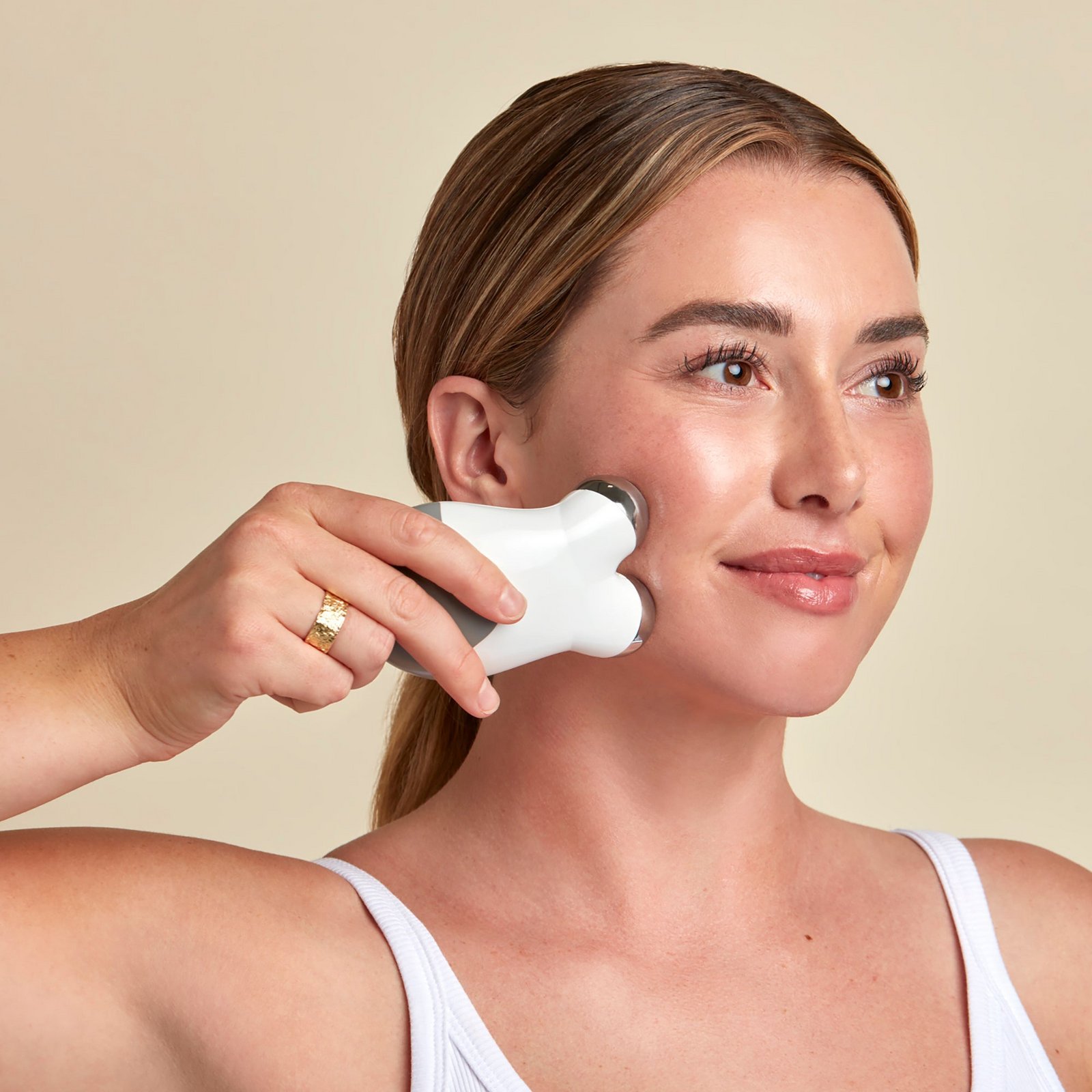
Woman holding a microcurrent facial device to her cheek while wearing a white headband.
The direct answer: how long do the effects of a microcurrent facial last is a routine question with a clear method, set out step by step below. The key is preparation, the right amount of product, and consistency rather than intensity. Read the short steps first, then the mistakes section, which covers the errors that most often stop the routine from working.
Microcurrent Facial Device Explained
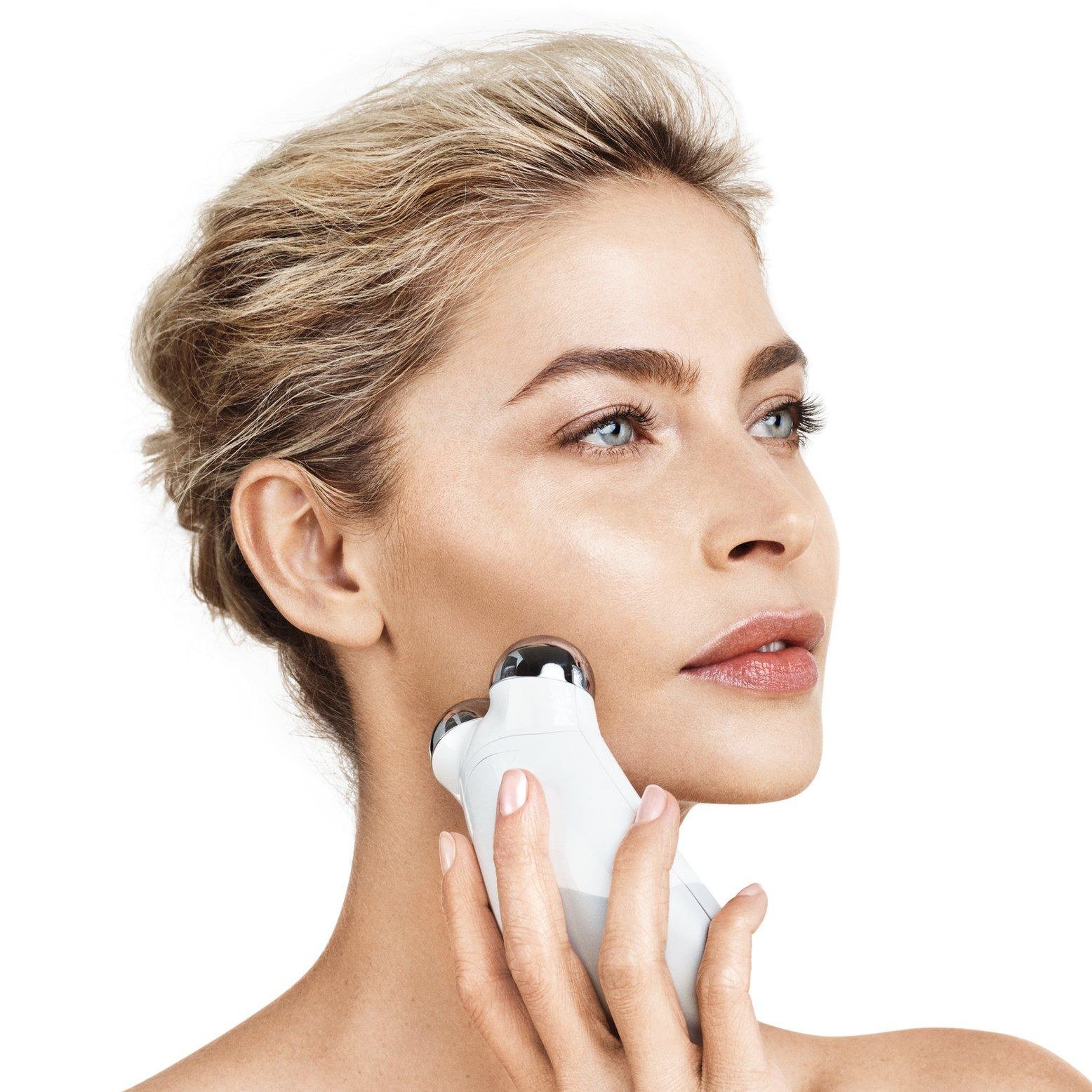
A microcurrent device passes a very low level electrical current across the face using two probes or a shaped head, always with a conductive gel. It is used in slow, gliding routines aimed at a firmer, more lifted look to the face, with results that are temporary and cumulative with use.
The gel is not optional: without a conductive layer the current does not pass evenly and the device simply drags. Devices differ in waveform claims and programme design, but published current levels are low across the category, and technique, slow upward glides holding at key points, decides the session more than settings do. Contraindications matter here: pregnancy, pacemakers and certain medical conditions are standard exclusions in manuals, and they come before any beauty goal.
The Honest Timeline
The first days. Expect feel, not change: hydration and comfort shift quickly, while anything involving cell turnover has barely started. Irritation in this window is information about frequency and amount, not a verdict on the product.
Weeks two to six. This is where surface change appears: texture, brightness and congestion move first, because the outer skin renews on roughly a monthly cycle. Judge direction here, not final results.
Months two to three. Pigment, marks and deeper texture are judged on this clock. If a routine shows no direction by twelve weeks of honest use, the product or the diagnosis is wrong, and changing one variable is the right move.
For microcurrent facial device in particular: Five minutes, several times a week, on cleansed skin with a generous gel layer, working in sections and reapplying gel as it dries. Treat it as a routine device: the look it gives is best maintained, not achieved once.
Two habits make timelines readable: change one thing at a time, and photograph progress in the same light at the checkpoints rather than inspecting daily. Skin and hair change slowly enough that memory lies, in both directions.
Step by Step: Microcurrent Facial Device
The method below is the standard technique for this category, in the order that makes each step work. Adapt the amounts to your own skin or hair, and keep the order. If you still need the product itself, the buying guide Best Microcurrent Device for Face and Neck compares the current options for this exact need.
Read the manufacturer’s manual fully before the first session, including who should not use the device
Patch test or start with the shortest, lowest setting the manual allows
Prepare skin as directed, usually clean and dry with no products unless a gel is specified
Follow the stated session time and weekly frequency rather than improvising more
Track results over the full period the manual describes before judging the device
Getting Microcurrent Facial Device Right in Your Routine
Fit matters more than intensity with microcurrent facial device. Build the habit at the gentlest effective level first: the right product amount, the right frequency for your type, and one change at a time so you can see what is actually helping. Keep the rest of your beauty devices routine stable while you judge the change, and give the routine the full period the product guidance describes before deciding it does not work.
Keep notes for the first two weeks: what you used, how much, and how your skin or hair felt the next day. That simple record answers most follow up questions, including whether a reaction came from the new step or from something layered with it.
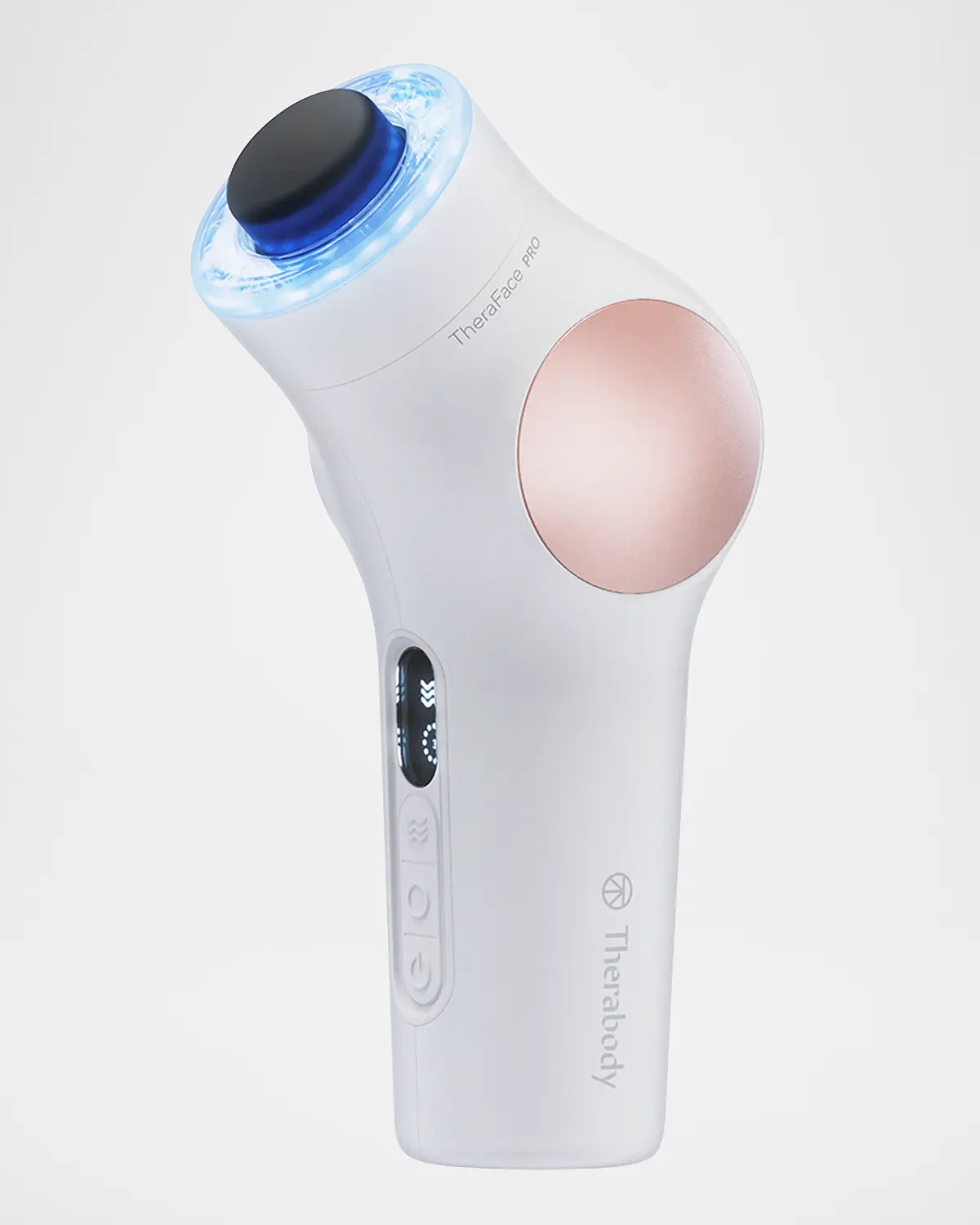
The TheraFace Pro is a modular platform: one handle, magnetic rings, and the microcurrent ring turns it into a toning device that works the face and front of the jaw, while the LED ring, percussive heads and cleansing attachment cover the rest of a facial routine. For the neck, the microcurrent ring’s wide contact suits the jawline and the area under the chin, used in the upward strokes the brand’s guides demonstrate, and swapping to the LED ring in the same session is genuinely convenient. The system thinking is the appeal and the cost. The base kit is premium, the full attachment collection more so, and the microcurrent itself is one function among many rather than the deepest implementation here; there are no intensity subtleties to rival the dedicated devices, and Therabody’s published current data is thinner than NuFACE or MyoLift. You also need conductive gel for the microcurrent ring. Buy the TheraFace Pro if you want one device that tones, treats with light and deep cleans, and your neck work is part of a general routine. Buy a dedicated microcurrent device if toning is the whole point of the purchase. Storage and upkeep suit the platform idea: the rings share one case, attachments swap in seconds, and the microcurrent ring needs only a wipe after use. If the neck is your main target, budget for the routine as a whole, cleanser head days alternating with microcurrent days, since the system’s value is the combined week rather than any single attachment used alone.
Specifications
Microcurrent ring on a modular handle, the maintenance friendly format for keeping effects topped up
Pros
Microcurrent, LED and cleansing in one handle
Wide ring suits jawline work
Magnetic attachments swap in seconds
Cons
Premium price before extra rings
Microcurrent data is thinly published
One function among many, not the deepest
Who should buyyou want toning as part of a multi function facial platform
Who should skipmicrocurrent is your single priority and you want published output data
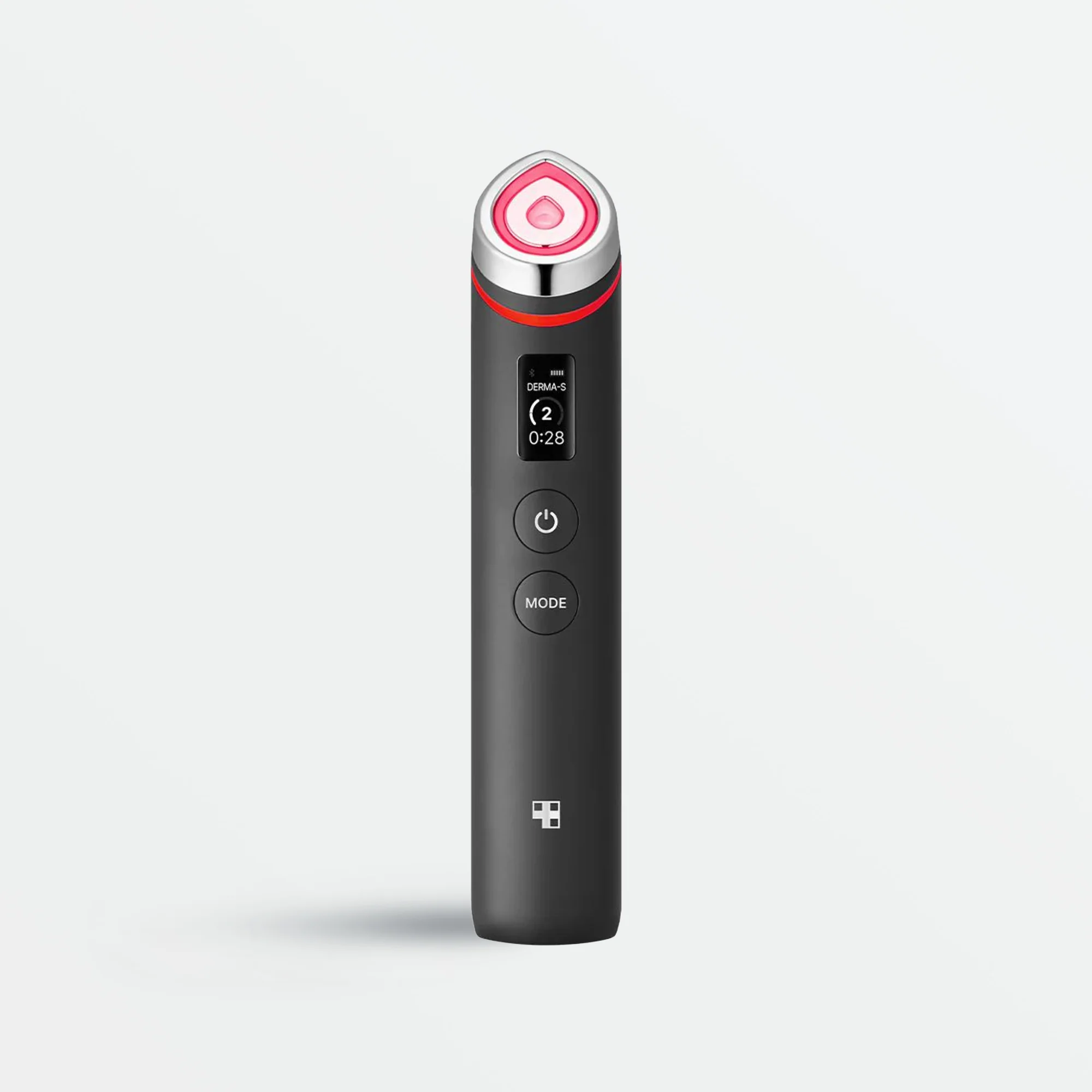
Medicube’s Age-R Booster Pro packs six functions into one wand, and two of them speak directly to this guide: an MC microcurrent mode for toning work along the jaw and neck, and an EMS derma shot mode that pulses the muscles more assertively for short, targeted passes. Around those sit an electroporation booster mode meant to push skincare in, LED and sonic vibration. The Korean brand’s following is built on exactly this density of features at a price below the Western flagships. The honest cautions matter. With six modes, none is as developed as a dedicated device’s single function, the published output figures are limited, and the routine guidance leans on the brand’s own app and content. The head shape works well on the jawline and cheeks; on the neck, use the MC mode in slow upward strokes and keep the EMS mode for the jaw rather than the throat. No separate gel purchase is forced, since several modes work over your own skincare, though microcurrent still needs a conductive layer. For feature hungry buyers treating face and neck on a mid budget, it is a lot of device for the money. Mode discipline is the skill this device asks for: pick the mode for the day’s goal rather than running all six nightly, and keep the microcurrent mode for jaw and neck toning days. The wand charges over USB, the head wipes clean, and the brand’s app routines give beginners a structure until the modes feel familiar. Used that way, the density of features becomes a weekly programme instead of a novelty.
Specifications
Microcurrent MC mode among its six modes, used little and often in the brand’s routines
Pros
Microcurrent and EMS modes in one wand
Six functions below flagship prices
Several modes work over your own skincare
Cons
No mode matches a dedicated device
Limited published output data
Guidance leans on brand app content
Who should buyyou want microcurrent plus EMS and booster modes for face and neck in one wand
Who should skipyou want one deeply developed function with published data
The FIX is not a face and neck device, and it earns its place here by being honest about that: it is a pen with a small microcurrent tip made for the lines the big devices skate over, around the eyes, the lip lines and, relevant here, the horizontal lines across the front and sides of the neck that sphere devices cannot sit on properly. Three minute treatments per area, a partner serum to conduct, and a tapping, feathering technique that works line by line. Used on neck lines after a main device has done the jaw and sides, it completes the routine in a way no other product in this guide attempts. The boundaries are equally clear. It treats small areas only, the serum is a running cost, and buying it as your only microcurrent device for face and neck would be a category error, since a full face session with a pen tip takes forever. Think of the FIX as the detail tool professionals reach for after the main work, priced accordingly. Owners of a Trinity or Mini who are bothered by specific neck lines are exactly its audience. Technique on neck lines: work across the line rather than along it, in short feathering strokes, with enough serum that the tip never drags, and treat one line fully before moving on. The pen lives happily in a makeup bag, a charge lasts through weeks of three minute areas, and the serum tube is small enough that keeping a spare is cheap insurance against skipped sessions.
Specifications
Three minute area treatments, the before an event top up this article discusses
Pros
Pen tip treats individual neck lines
Three minute targeted treatments
Completes a main device routine
Cons
Small areas only by design
Partner serum is a running cost
Not a standalone face and neck device
Who should buyyou already own a main device and want to treat specific neck lines
Who should skipyou want one device to cover the whole face and neck
Using a device more often than directed, expecting faster results
Skipping the suitability chart for skin tone, hair colour or medical conditions
Using IPL or light devices over tattoos, moles or irritated skin
Judging a gradual device after two sessions instead of a full course
Skimping on gel, so the device drags and delivers uneven contact
Using it over the thyroid area at the front of the neck, which manuals direct you to avoid
When to See a Professional
Stop using any device and seek advice if you get burns, blistering, persistent redness or eye symptoms, and check the manual’s contraindications before the first session rather than after a problem: pregnancy, pacemakers, light sensitising medication and certain skin conditions are standard exclusions in this category. Devices are powerful enough to help, which means they are powerful enough to misuse.
How Long Do the Effects of a Microcurrent Facial Last – what is the most important thing to get right?
Consistency at the right level for your type. With microcurrent facial device, the correct amount and frequency used steadily will outperform an intense routine used occasionally, and it avoids most of the irritation that makes people abandon the routine.
How long does it take to see a difference?
Most beauty devices routines show their direction within two to four weeks of consistent use, with fuller results over two to three months for concerns involving skin renewal or hair growth cycles. Judge on that timeline, not on single days.
What if my skin or hair reacts badly?
Stop the new step, return to your simplest routine until things settle, and reintroduce only one product at a time if you try again. Persistent pain, swelling or spreading irritation is a reason to seek professional advice rather than push through.
What is the biggest mistake people make with microcurrent facial device?
Skimping on gel, so the device drags and delivers uneven contact A close second: using it over the thyroid area at the front of the neck, which manuals direct you to avoid
What should I check before starting with microcurrent facial device?
The gel is not optional: without a conductive layer the current does not pass evenly and the device simply drags. Beyond that, check the product’s own directions against your skin or hair type, start at the gentle end of any range, and change nothing else in your routine for the first two weeks so the result is readable.
What is the best microcurrent device for face and neck?
The buying guide Best Microcurrent Device for Face and Neck compares the leading options for this exact need against the criteria that matter, with specifications, honest pros and cons, and a clear statement of who should skip each pick. It is linked from this page.
By Mirror & Glow Editorial Desk – November 23, 2026
How Often Can You Use Microcurrent on Your Face? Five minutes, several times a week, on cleansed skin with a generous gel layer. The full method, the mistakes to avoid, and where it fits in your routine.
By Mirror & Glow Editorial Desk – November 23, 2026
How Often Should You Use a Microcurrent Facial Device? Five minutes, several times a week, on cleansed skin with a generous gel layer. The full method, the mistakes to avoid, and where it fits in your routine.
By Mirror & Glow Editorial Desk – November 23, 2026
Inia Flare Microcurrent Facial Device Reviews Before and After? Five minutes, several times a week, on cleansed skin with a generous gel layer. The full method, the mistakes to avoid, and where it fits in your routine.