How Often Should You Use a Microcurrent Facial Device
By Mirror & Glow Editorial Desk – November 23, 2026
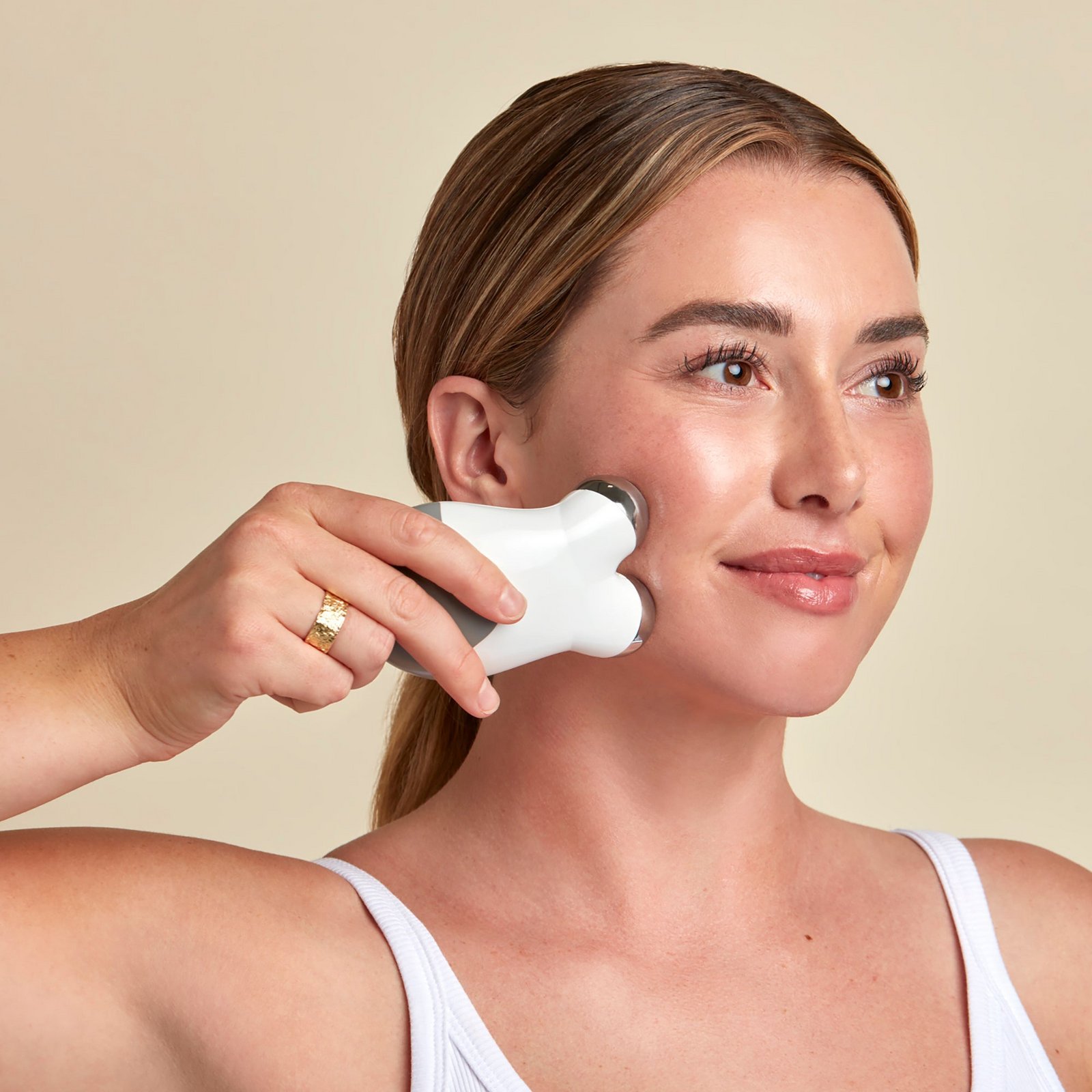
Woman gliding a white microcurrent facial device along her cheek.
The direct answer to how often should you use a microcurrent facial device: frequency for microcurrent facial device depends on your skin or hair type and the strength of the product, and the safe pattern is to start at the lower end of the product’s stated frequency, then increase only if your skin or hair stays comfortable. The sections below explain how to judge the right rhythm for you, and the signs that you are doing it too often.
Microcurrent Facial Device Explained
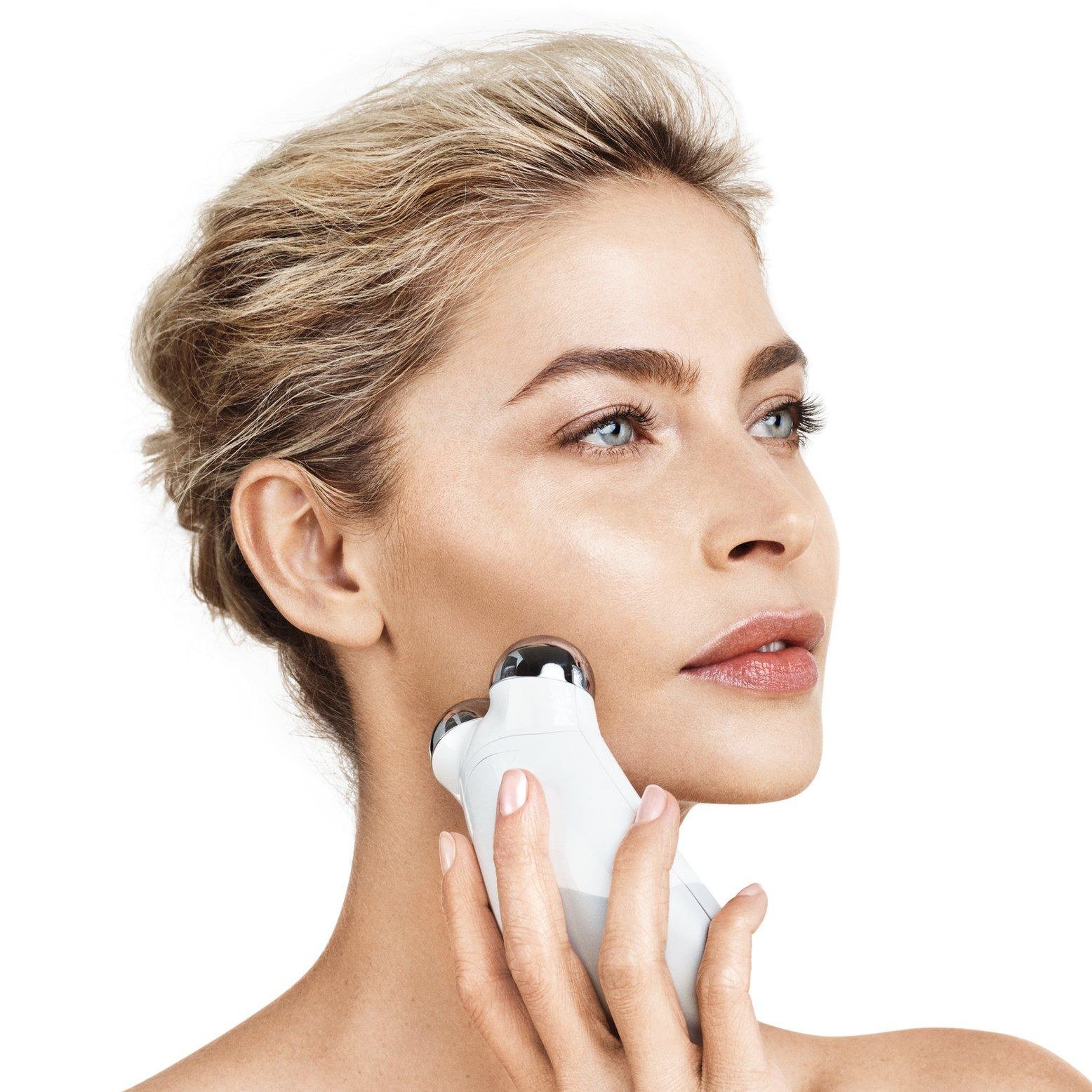
A microcurrent device passes a very low level electrical current across the face using two probes or a shaped head, always with a conductive gel. It is used in slow, gliding routines aimed at a firmer, more lifted look to the face, with results that are temporary and cumulative with use.
The gel is not optional: without a conductive layer the current does not pass evenly and the device simply drags. Devices differ in waveform claims and programme design, but published current levels are low across the category, and technique, slow upward glides holding at key points, decides the session more than settings do. Contraindications matter here: pregnancy, pacemakers and certain medical conditions are standard exclusions in manuals, and they come before any beauty goal.
How Often, by Type
The right frequency is the highest one your skin or hair stays comfortable with, and no higher. Use the table for your type, start there, and let two weeks of evidence, not enthusiasm, argue for increasing.
Your Type
Guidance
Light based devices (LED, IPL)
Short, frequent sessions on the manual’s schedule: light devices are built on cumulative dose over weeks, not intensity in one sitting.
Current and motorised devices
Several short sessions a week as directed, always with skin prepared as the manual specifies.
Any device, first two weeks
Start at the lowest setting and the shortest session the manual allows, whatever your enthusiasm; the course is long and skin keeps score.
For microcurrent facial device specifically: Five minutes, several times a week, on cleansed skin with a generous gel layer, working in sections and reapplying gel as it dries. Treat it as a routine device: the look it gives is best maintained, not achieved once.
Signs you are overdoing it are consistent across categories: tightness, stinging, flaking, new sensitivity, or hair that feels coated, limp or brittle. Any of those means step the frequency down for a week, not push through. Consistency at a sustainable frequency beats intensity in bursts every time.
Step by Step: Microcurrent Facial Device
The method below is the standard technique for this category, in the order that makes each step work. Adapt the amounts to your own skin or hair, and keep the order. If you still need the product itself, the buying guide Best Microcurrent Device for Face and Neck compares the current options for this exact need.
Read the manufacturer’s manual fully before the first session, including who should not use the device
Patch test or start with the shortest, lowest setting the manual allows
Prepare skin as directed, usually clean and dry with no products unless a gel is specified
Follow the stated session time and weekly frequency rather than improvising more
Track results over the full period the manual describes before judging the device
Getting Microcurrent Facial Device Right in Your Routine
Fit matters more than intensity with microcurrent facial device. Build the habit at the gentlest effective level first: the right product amount, the right frequency for your type, and one change at a time so you can see what is actually helping. Keep the rest of your beauty devices routine stable while you judge the change, and give the routine the full period the product guidance describes before deciding it does not work.
Keep notes for the first two weeks: what you used, how much, and how your skin or hair felt the next day. That simple record answers most follow up questions, including whether a reaction came from the new step or from something layered with it.
The Mini+ is the Trinity platform distilled: the same NuFACE microcurrent approach in a smaller body with three intensity levels, app enablement for guided routines, and a starter kit that includes the Aqua Gel so you can begin the day it arrives. For face and neck work it covers the essential ground well. The two spheres are sized for the jawline, the device is light enough to run down the neck in slow upward passes without hand fatigue, and the routine the app teaches, glide, hold, move up, is exactly the technique the neck responds to. What you give up against the Trinity+ is the future: no interchangeable heads, so no dedicated eye and lip attachment and no LED head later, and a smaller treatment surface that makes full face sessions a little slower. Battery and build are travel friendly, and the price sits meaningfully below the flagship. This is the right NuFACE for the buyer who knows they want face and neck microcurrent, does not want an accessory ecosystem, and would rather spend the difference on the gel they will actually keep buying. Simple, proven and honestly scoped. Battery life is a quiet strength: a charge covers weeks of short sessions, so the device can live in a drawer rather than on the counter. For neck work specifically, work in three vertical lanes, left, centre avoiding the throat, and right, holding briefly at the jaw before gliding up, and the Mini’s small spheres make those holds easy to place precisely.
Specifications
Five minute routines on the brand’s five day a week starter schedule
Pros
Same platform as the flagship, lower price
Light body suits neck passes
Starter kit includes the gel
Cons
No interchangeable heads
Smaller head slows full face work
Gel running cost remains
Who should buyyou want proven face and neck microcurrent without an accessory ecosystem
Who should skipyou want to add LED or eye attachments later
The MyoLift Mini is the professional’s format brought home: instead of gliding spheres, you work with two handheld probes, pinching and holding sections of skin between them, which is how clinic microcurrent is actually delivered. It offers true microcurrent up to 400 microamps with seven preset programmes, and for the neck this probe technique has a real advantage, because you can work the jawline and the sides of the neck in precise, held positions rather than hoping a glide covered them. The trade is effort and learning curve. Probe work is slower, it uses both hands, the console is wired to the probes, and your first sessions will follow the manual closely. There is no app and no glamour here, just a small console with a display, settings and a long reputation among professional users who train on the brand’s bigger machines. Conductive gel is required and applied section by section. Choose the MyoLift Mini if you want the closest thing to a professional treatment at home and will invest the practice time; choose a glide device if your routine must fit into five relaxed minutes. Expect the first fortnight to be practice: probe placement, pinch pressure and programme choice all improve noticeably, and the brand’s training videos are worth the hour they take. Gel consumption is modest because you apply it section by section, and the probes wipe clean in seconds. Owners who persist past the learning curve tend to become the most loyal in this category, because the technique, once learned, treats the neck more deliberately than any glide.
Specifications
Programme based sessions two to three times a week at professional style spacing
Pros
Professional probe technique for precise neck work
True microcurrent with published output
Seven preset programmes
Cons
Two handed, slower technique
Steepest learning curve here
Wired probes and console format
Who should buyyou want clinic style probe treatments for jawline and neck
Who should skipyou want a quick, relaxed glide routine
The Solawave wand is the gentlest interpretation of microcurrent in this guide: a slim wand whose rotating head combines low level microcurrent with red light, warmth and massage in a single slow pass. For the neck, the wand format has a natural advantage, because the long body and rotating head follow the jaw to neck line in one stroke, and the warmth makes the routine pleasant enough to repeat nightly, which is where its results come from. Be clear about the scale of the tool, though. This is a light duty device. Its microcurrent is the mildest here, there are no intensity programmes to grow into, and the effects are about glow, puffiness and a temporarily smoother look rather than the firmer toning sessions the sphere devices deliver. It works over the brand’s serum or your own conductive skincare, charges over USB and travels in a makeup bag. The head rotation is a nice touch that keeps contact even around the chin. Choose the wand if your neck concern is crepey, tired looking skin you want to pamper nightly; choose a sphere device if visible toning effort is the point. Routine economics are gentle: the wand works over a thin layer of serum, charges quickly, and asks for about five minutes, so the nightly habit is realistic in a way twenty minute rituals are not. Keep strokes slow and overlapping on the neck, letting the warmth do the relaxing, and treat any toning change as a bonus on top of the glow and depuffing that are its honest core offer.
Specifications
A few minutes per area, the daily light touch pattern this article sets out
Pros
Wand shape follows the jaw and neck line
Light, warmth and massage in one pass
Travel sized with USB charging
Cons
Mildest microcurrent in this guide
No intensity levels to progress through
Glow effects rather than firm toning
Who should buyyou want a gentle nightly wand for jaw, neck and glow
Who should skipyou want the strongest toning output available at home
Using a device more often than directed, expecting faster results
Skipping the suitability chart for skin tone, hair colour or medical conditions
Using IPL or light devices over tattoos, moles or irritated skin
Judging a gradual device after two sessions instead of a full course
Skimping on gel, so the device drags and delivers uneven contact
Using it over the thyroid area at the front of the neck, which manuals direct you to avoid
When to See a Professional
Stop using any device and seek advice if you get burns, blistering, persistent redness or eye symptoms, and check the manual’s contraindications before the first session rather than after a problem: pregnancy, pacemakers, light sensitising medication and certain skin conditions are standard exclusions in this category. Devices are powerful enough to help, which means they are powerful enough to misuse.
How Often Should You Use a Microcurrent Facial Device – what is the most important thing to get right?
Consistency at the right level for your type. With microcurrent facial device, the correct amount and frequency used steadily will outperform an intense routine used occasionally, and it avoids most of the irritation that makes people abandon the routine.
How long does it take to see a difference?
Most beauty devices routines show their direction within two to four weeks of consistent use, with fuller results over two to three months for concerns involving skin renewal or hair growth cycles. Judge on that timeline, not on single days.
What if my skin or hair reacts badly?
Stop the new step, return to your simplest routine until things settle, and reintroduce only one product at a time if you try again. Persistent pain, swelling or spreading irritation is a reason to seek professional advice rather than push through.
What is the biggest mistake people make with microcurrent facial device?
Skimping on gel, so the device drags and delivers uneven contact A close second: using it over the thyroid area at the front of the neck, which manuals direct you to avoid
What should I check before starting with microcurrent facial device?
The gel is not optional: without a conductive layer the current does not pass evenly and the device simply drags. Beyond that, check the product’s own directions against your skin or hair type, start at the gentle end of any range, and change nothing else in your routine for the first two weeks so the result is readable.
What is the best microcurrent device for face and neck?
The buying guide Best Microcurrent Device for Face and Neck compares the leading options for this exact need against the criteria that matter, with specifications, honest pros and cons, and a clear statement of who should skip each pick. It is linked from this page.
By Mirror & Glow Editorial Desk – November 23, 2026
How Long Do the Effects of a Microcurrent Facial Last? Five minutes, several times a week, on cleansed skin with a generous gel layer. The full method, the mistakes to avoid, and where it fits in your routine.
By Mirror & Glow Editorial Desk – November 23, 2026
How Often Can You Use Microcurrent on Your Face? Five minutes, several times a week, on cleansed skin with a generous gel layer. The full method, the mistakes to avoid, and where it fits in your routine.
By Mirror & Glow Editorial Desk – November 23, 2026
Inia Flare Microcurrent Facial Device Reviews Before and After? Five minutes, several times a week, on cleansed skin with a generous gel layer. The full method, the mistakes to avoid, and where it fits in your routine.