Beauty DevicesHow-To GuideRed Light Therapy for Face
How Often to Use Red Light Therapy on Face for Wrinkle
By Mirror & Glow Editorial Desk – November 23, 2026
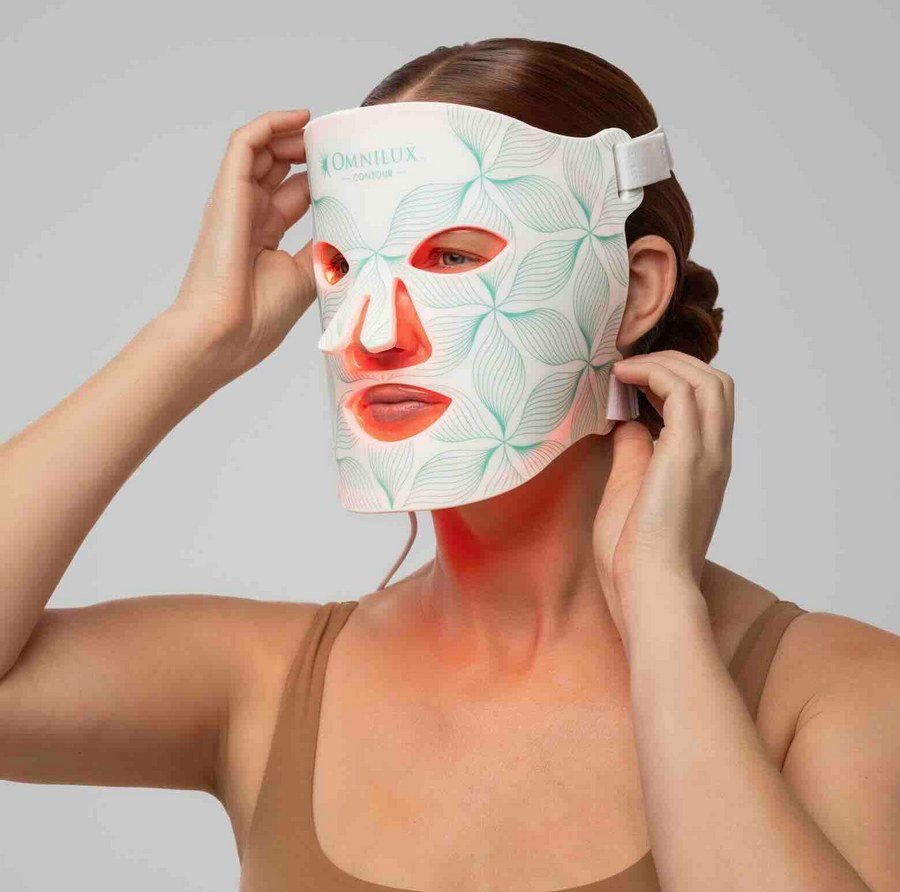
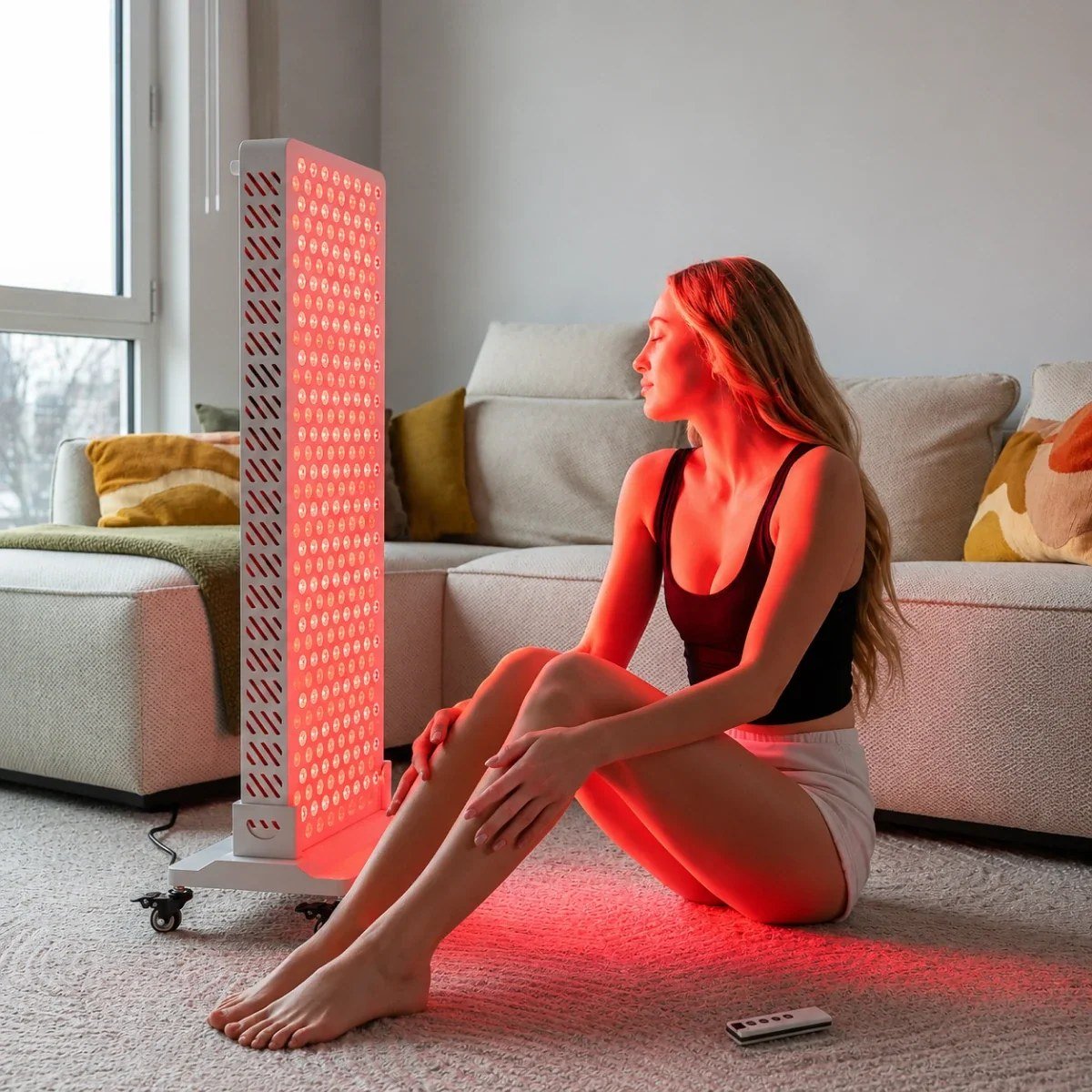
A woman demonstrates LED red light therapy devices for facial and neck skincare.
The direct answer to how often to use red light therapy on face for wrinkle: frequency for red light therapy for face depends on your skin or hair type and the strength of the product, and the safe pattern is to start at the lower end of the product’s stated frequency, then increase only if your skin or hair stays comfortable. The sections below explain how to judge the right rhythm for you, and the signs that you are doing it too often.
Red Light Therapy for Face Explained
Red light therapy for the face is light therapy focused on red and near infrared wavelengths, delivered by masks or panels, used in short regular sessions to support collagen related firmness and tone over a course of weeks. It is a routine, not a treatment event.
The two spec families are wavelength, with red in the 630s nanometres and near infrared in the 800s the commonly used ranges, and dose at the skin, which depends on power and distance. Panels treat at a distance and cover neck and chest; masks sit close and keep dose consistent. Neither works through makeup or sunscreen, so sessions are on clean skin. Eye comfort and the manual’s contraindications, including light sensitising medicines, are part of choosing.
How Often, by Type
The right frequency is the highest one your skin or hair stays comfortable with, and no higher. Use the table for your type, start there, and let two weeks of evidence, not enthusiasm, argue for increasing.
Your Type
Guidance
Light based devices (LED, IPL)
Short, frequent sessions on the manual’s schedule: light devices are built on cumulative dose over weeks, not intensity in one sitting.
Current and motorised devices
Several short sessions a week as directed, always with skin prepared as the manual specifies.
Any device, first two weeks
Start at the lowest setting and the shortest session the manual allows, whatever your enthusiasm; the course is long and skin keeps score.
For red light therapy for face specifically: Ten minutes or so, several times a week, on clean dry skin, before the rest of the routine. Keep the device where the habit already happens; these courses fail in cupboards, not on faces.
Signs you are overdoing it are consistent across categories: tightness, stinging, flaking, new sensitivity, or hair that feels coated, limp or brittle. Any of those means step the frequency down for a week, not push through. Consistency at a sustainable frequency beats intensity in bursts every time.
Step by Step: Red Light Therapy for Face
The method below is the standard technique for this category, in the order that makes each step work. Adapt the amounts to your own skin or hair, and keep the order. If you still need the product itself, the buying guide Top Red Light Therapy for Face and Neck in Home Use compares the current options for this exact need.
Read the manufacturer’s manual fully before the first session, including who should not use the device
Patch test or start with the shortest, lowest setting the manual allows
Prepare skin as directed, usually clean and dry with no products unless a gel is specified
Follow the stated session time and weekly frequency rather than improvising more
Track results over the full period the manual describes before judging the device
Getting Red Light Therapy for Face Right in Your Routine
Fit matters more than intensity with red light therapy for face. Build the habit at the gentlest effective level first: the right product amount, the right frequency for your type, and one change at a time so you can see what is actually helping. Keep the rest of your beauty devices routine stable while you judge the change, and give the routine the full period the product guidance describes before deciding it does not work.
Keep notes for the first two weeks: what you used, how much, and how your skin or hair felt the next day. That simple record answers most follow up questions, including whether a reaction came from the new step or from something layered with it.
HigherDOSE is the wellness brand’s take on the red light mask: flexible silicone, red at 630 nm with near infrared at 850 nm, the slightly deeper reaching infrared wavelength, a cordless controller and the most complete strap set here, including a chin strap that keeps the mask seated through a moving morning routine. In this guide it is firmly an aging side device: there is no blue light, so its acne contribution is limited to the general red light role in calm, recovery and tone. What it does better than the other red only masks is fit security and wearability while doing other things, and for readers whose sessions happen while making tea rather than lying down, that decides whether the habit survives. The wavelength pair is marginally less studied than the 633 and 830 pairing at the top of this list, the bright blue shell is a love it or leave it look, and the price is premium for a single mode device. A strong lifestyle fit, honestly labelled as half of this guide’s brief. The chin strap earns its mention: it is the difference between a mask that stays dosed evenly across the jaw and one that slides down it mid session, and jaw coverage is where aging routines are won or lost. The controller is pocket sized, a charge lasts through a week of sessions, and the silicone shell tolerates being wiped down daily without the finish degrading.
Specifications
Red 630 nm and near infrared 850 nm per brand, worn in regular weekly sessions
Pros
Chin strap keeps it seated during moving routines
Cordless controller, no tether to a socket
Near infrared at 850 nm reaches slightly deeper
Cons
No blue light for the acne side of the brief
Wavelength pair less studied than 633 and 830 nm
Premium price for a single mode mask
Who should buyyour sessions happen on your feet during a morning routine, and aging is the priority
Who should skipyou are buying primarily to treat active breakouts
Omnilux comes from the professional light therapy world, and Contour Face applies the same red 633 nm and near infrared 830 nm pairing as the CurrentBody in a soft silicone mask with two straps and an automatic ten minute programme. Its case in this guide mirrors the CurrentBody’s: it is a red light device, so it works on the aging and recovery side of the acne and aging question, supporting skin through the marks and uneven tone breakouts leave behind rather than preventing the breakouts themselves. Owners rate the fit highly, the mask is light, the straps hold it without pressure points, and the single programme removes every decision, which suits readers who want a routine they cannot set up wrongly. The limits are the same as any single mode mask: no blue light, no adjustability, and a price in the clinical tier. Against the CurrentBody it is close to a coin toss decided by fit and which brand’s evidence base a reader trusts more; against blue equipped rivals it wins on wavelength discipline and loses on acne coverage. Judge it as a specialist, and it is an excellent one. Ownership details: the controller charges over USB, the mask wipes clean with a damp cloth, and the soft shell packs flat, which makes it the clinical option most likely to travel with its owner. Sessions sit comfortably at the end of an evening routine, and the automatic shut off means falling asleep in it wastes nothing but time.
Specifications
10 minute sessions, three to five times a week for the first course per brand
Pros
Professional light therapy heritage behind the home mask
Same studied red and near infrared pairing as the leader
One automatic programme, nothing to set up wrongly
Cons
No blue mode for active breakouts
No settings to adjust as skin changes
Clinical tier pricing
Who should buyyou want a clinically grounded red light mask and your acne is managed by the rest of your routine
Who should skipyou need the device itself to work on active acne
Shark’s entry is the appliance maker’s answer to this guide’s double brief: named programmes on a display controller separate the blemish routine from the aging routine, so blue light days and red light days are chosen for you rather than guessed, and its signature extra, chilled under eye pads, depuffs the area where tired, aging skin shows first. For acne and aging readers that structure is genuinely useful, because the common failure of multi mode masks is owners running everything at once on no schedule; CryoGlow’s programmes impose the schedule. The hard shell is heavier than the silicone masks and the fit suits some faces better than others, the cooling pads are a comfort feature rather than a treatment, and Shark is newer to light therapy than the clinical brands, so its evidence base is thinner even where its engineering is strong. It earns its place here as the most guided route into dual concern light therapy, and for readers who know they will not research protocols, the guidance is worth more than a spec sheet advantage they would never configure. Two routine points complete the picture. The controller display counts sessions and programme progress, which helps owners actually alternate the blemish and firming programmes instead of defaulting to one, and the cooling pads remove and rinse clean. Store the mask on its stand rather than in a drawer, since the shell and pads keep their shape better out of a pile.
Specifications
Named programmes set the session pattern, including its red light aging routine
Pros
Named programmes separate blemish and aging routines
Blue and red modes both present for the dual brief
Under eye cooling tackles the puffiness aging shows first
Cons
Hard shell is heavier than silicone rivals
Cooling is comfort, not treatment
Newer to light therapy than the clinical brands
Who should buyyou want the device to organise your blue and red sessions for you
Who should skipyou prefer a light flexible mask you can wear while moving around
Using a device more often than directed, expecting faster results
Skipping the suitability chart for skin tone, hair colour or medical conditions
Using IPL or light devices over tattoos, moles or irritated skin
Judging a gradual device after two sessions instead of a full course
Judging at two weeks, when the category’s honest timeline is eight to twelve weeks of consistency
Layering sessions back to back to speed results, which adds nothing but time
When to See a Professional
Stop using any device and seek advice if you get burns, blistering, persistent redness or eye symptoms, and check the manual’s contraindications before the first session rather than after a problem: pregnancy, pacemakers, light sensitising medication and certain skin conditions are standard exclusions in this category. Devices are powerful enough to help, which means they are powerful enough to misuse.
Deciding between options? The comparison LED Face Mask vs Laser Face Mask sets out the differences, downsides and verdicts for this topic.
Frequently Asked Questions
How Often to Use Red Light Therapy on Face for Wrinkle – what is the most important thing to get right?
Consistency at the right level for your type. With red light therapy for face, the correct amount and frequency used steadily will outperform an intense routine used occasionally, and it avoids most of the irritation that makes people abandon the routine.
How long does it take to see a difference?
Most beauty devices routines show their direction within two to four weeks of consistent use, with fuller results over two to three months for concerns involving skin renewal or hair growth cycles. Judge on that timeline, not on single days.
What if my skin or hair reacts badly?
Stop the new step, return to your simplest routine until things settle, and reintroduce only one product at a time if you try again. Persistent pain, swelling or spreading irritation is a reason to seek professional advice rather than push through.
What is the biggest mistake people make with red light therapy for face?
Judging at two weeks, when the category’s honest timeline is eight to twelve weeks of consistency A close second: layering sessions back to back to speed results, which adds nothing but time
What should I check before starting with red light therapy for face?
The two spec families are wavelength, with red in the 630s nanometres and near infrared in the 800s the commonly used ranges, and dose at the skin, which depends on power and distance. Beyond that, check the product’s own directions against your skin or hair type, start at the gentle end of any range, and change nothing else in your routine for the first two weeks so the result is readable.
What is the top red light therapy for face and neck in home use?
The buying guide Top Red Light Therapy for Face and Neck in Home Use compares the leading options for this exact need against the criteria that matter, with specifications, honest pros and cons, and a clear statement of who should skip each pick. It is linked from this page.
By Mirror & Glow Editorial Desk – November 23, 2026
Everything behind can you use red light therapy on your face too much: the two spec families are wavelength, set out as a clear step by step with the mistakes and questions readers raise most.
By Mirror & Glow Editorial Desk – November 23, 2026
The two spec families are wavelength. This guide applies that to can you use red light therapy on your face while pregnant: the method, the timing, and the traps to avoid.
By Mirror & Glow Editorial Desk – November 23, 2026
The two spec families are wavelength. This guide applies that to can you use red light therapy with a face mask on: the method, the timing, and the traps to avoid.