By Mirror & Glow Editorial Desk – November 23, 2026
Woman applying body oil to her arm beside a bath.
The direct answer: how to apply body oil and lotion after shower is a routine question with a clear method, set out step by step below. The key is preparation, the right amount of product, and consistency rather than intensity. Read the short steps first, then the mistakes section, which covers the errors that most often stop the routine from working.
Body Oil Explained
Body oil is an oil or oil blend applied to body skin, usually on damp skin after a shower, to seal in water, soften and add a sheen. It contains no water itself, so it moisturises by trapping what is already there rather than adding hydration.
That mechanism explains both its strength and its limit: on damp skin it is one of the most effective softeners there is; on dry skin it can leave you greasy and still dehydrated. Oil choice decides feel: squalane and lighter esters absorb cleanly, while rich plant oils linger. Dry oils are formulations designed to reduce transfer onto clothes. In shower oils cleanse and deposit oil in one step, a different product wearing a similar name.
Putting It Into Practice
Apply to damp skin straight after showering, a few drops per limb spread thin, then pat dry or dress once it has settled for a minute. In winter, layering oil over lotion is the heavy duty pattern for very dry skin.
Build the habit at the gentlest effective level first and attach it to something you already do, after a shower, before bed, with your morning routine, because techniques attached to existing habits survive. Keep the rest of your body care routine stable while you judge the change, and give the routine the full period the product guidance describes before deciding it does not work.
Step by Step: Body Oil
The method below is the standard technique for this category, in the order that makes each step work. Adapt the amounts to your own skin or hair, and keep the order. If you still need the product itself, the buying guide Best Body Oil for Pregnancy Stretch Marks compares the current options for this exact need.
Apply moisturiser within a few minutes of showering, on skin that is still slightly damp
Use enough to cover the area in a thin, even film rather than spot treating
For exfoliating products, start once or twice a week and build as skin tolerates
Give rough areas such as heels a nightly application, with socks to protect bedding
Allow four weeks of consistent use before judging texture problems like bumps
Getting Body Oil Right in Your Routine
Fit matters more than intensity with body oil. Build the habit at the gentlest effective level first: the right product amount, the right frequency for your type, and one change at a time so you can see what is actually helping. Keep the rest of your body care routine stable while you judge the change, and give the routine the full period the product guidance describes before deciding it does not work.
Keep notes for the first two weeks: what you used, how much, and how your skin or hair felt the next day. That simple record answers most follow up questions, including whether a reaction came from the new step or from something layered with it.
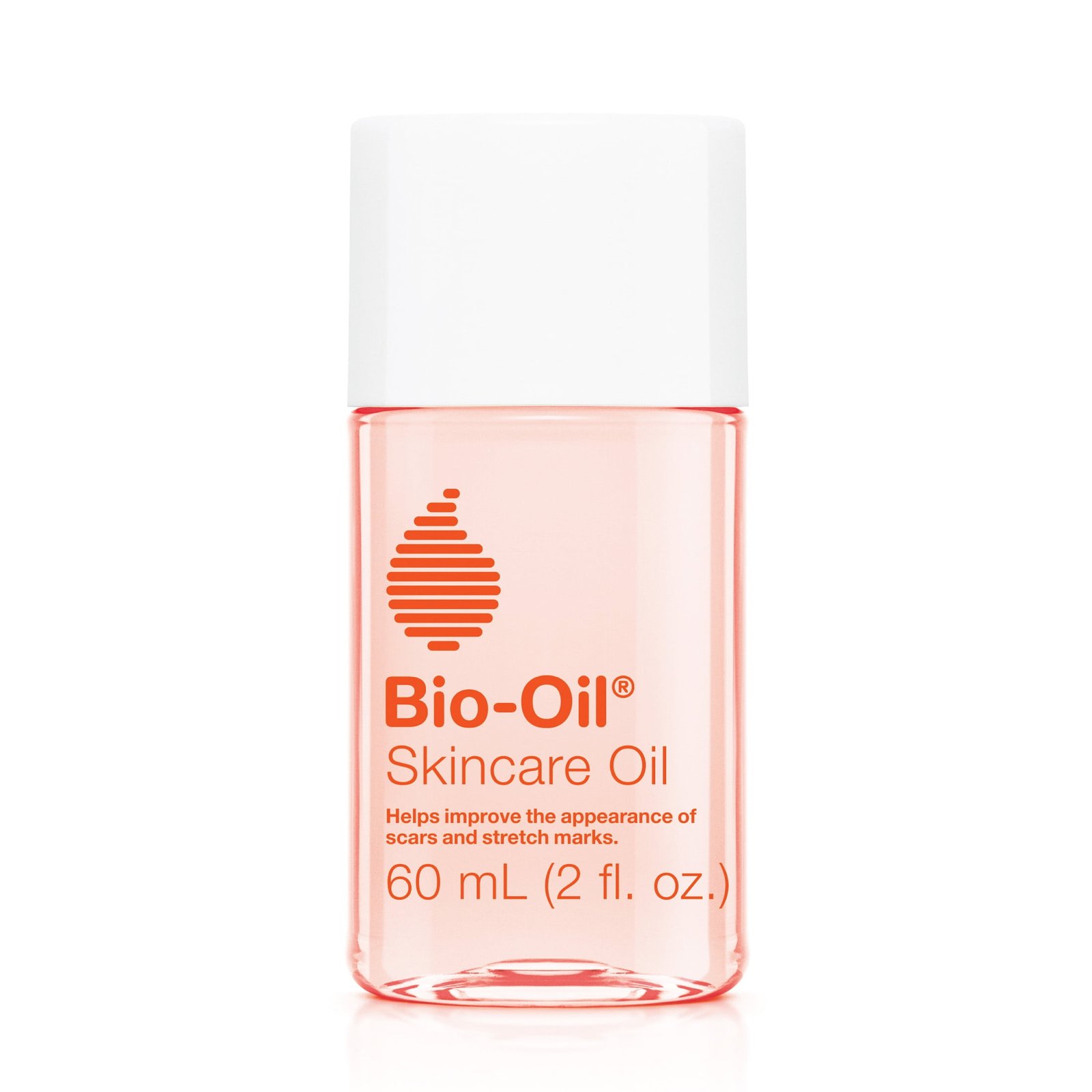
Bio-Oil closes this guide as the oil option for healed back marks and scars, and it needs the most careful framing of any pick here. It is a dry oil built on the brand’s PurCellin Oil base with vitamins A and E and a blend of calendula, lavender, rosemary and chamomile oils, positioned for scars and stretch marks, and it has been studied by its maker for scar appearance with modest, gradual results. What it reliably does is keep scarred skin supple and conditioned during the long months marks take to mature, and many users find the twice daily massage application itself worthwhile. What it does not do is fade pigmentation at the rate of the acid and tranexamic picks above, and its oil format can work against an acne prone back if breakouts are still active, since it is applied to exactly the area that clogs. The fragranced botanical oils also rule it out for some sensitive skin. Its correct place in this guide is narrow and genuine: a fully healed back, no longer breaking out, with maturing scars and dry scar tissue, where a conditioning oil is the right final step. Chosen for that stage, it is a reasonable, widely available product. That combination of familiarity, tolerability and honest usefulness is why it remains the category’s reference product despite everything written about its limits.
Specifications
125 ml bottle
applied to damp skin first to seal in shower moisture
Pros
Keeps maturing scar tissue supple and conditioned
Dry oil texture absorbs better than most oils
Long established and widely available
Cons
Not a fast or strong pigment fader
Oil format is wrong while breakouts are active
Fragranced botanical oils may not suit sensitive skin
Who should buyyour back has healed, breakouts have stopped, and maturing scars feel dry and tight.
Who should skipyou still have active back acne, where an oil can work against the routine.
This is the heavy duty end of the daily lotion category: a rich, slow absorbing formula built on Eucerin’s published combination of alpha hydroxy, which loosens the dull surface layer so moisture can get in, and natural moisturising factors, the water binding compounds skin itself uses. The texture sits between a lotion and a cream, and it leaves a noticeable protective film for the first minutes after application, which is exactly why it suits very dry, flaky body skin rather than mild dryness. It is fragrance free, which matters at whole body scale because body lotions are a common source of fragrance reactions, and the 500 ml pump makes twice daily use realistic rather than rationed. Dermatology guidance for dry skin consistently favours fragrance free formulas with humectants plus an occlusive element applied straight after bathing, and this formula matches that pattern closely. The trade offs are texture and patience: it can feel tacky under tight clothing if applied generously, it is too rich for humid summer days for many users, and the alpha hydroxy content means freshly shaved or broken skin can sting. Used on damp skin after a shower, a thin even layer is enough; more product does not repair faster, it just sits longer on the surface.
Specifications
500 ml pump bottle
rich lotion layered over oil on the driest areas
fragrance free
Pros
Alpha hydroxy plus natural moisturising factors in one formula
Fragrance free and sized for whole body daily use
Rich enough for flaky, winter damaged skin
Cons
Feels tacky if over applied or rushed under clothing
Can sting on shaved or broken skin
Too rich for humid weather for many users
Who should buyyour dryness is very dry or flaky and a light lotion disappears within the hour.
Who should skipyour skin is only mildly dry, or you want a lotion that vanishes instantly under clothes.
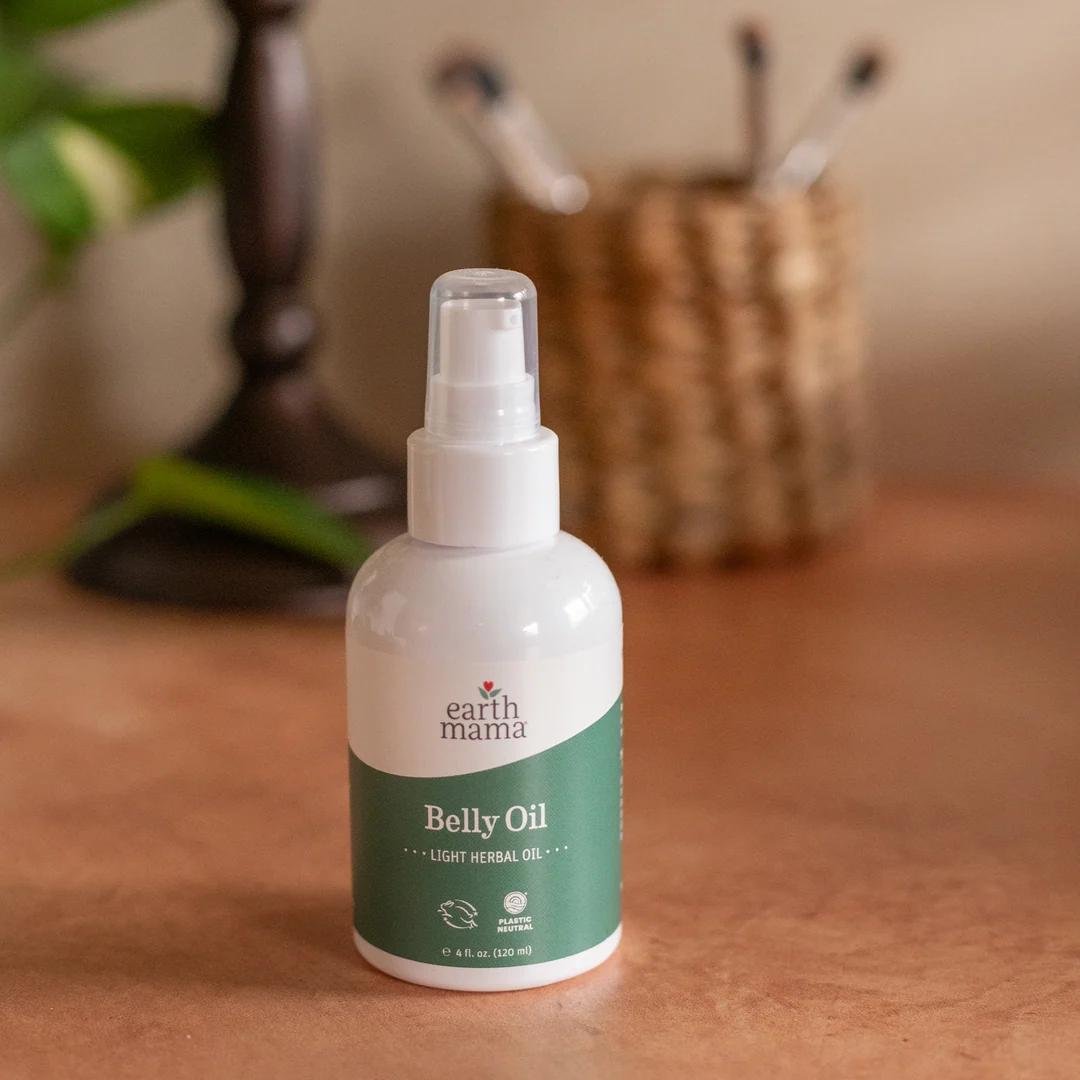
Earth Mama’s Belly Oil is the herbalist’s entry in this guide: a light spray oil built on calendula and jojoba with the brand’s organic herbal blend, made without artificial fragrance, from a company whose entire range is pregnancy and postpartum care. Calendula is the thoughtful lead ingredient, long used in herbal skincare for delicate, easily irritated skin, and the formula’s lightness is its character: it sprays on, spreads easily over a bump, and absorbs to a soft finish that does not leave the heavy oil slick some pregnant readers dislike at bedtime. The scent is a mild, natural herbal note rather than a perfume. Earth Mama positions it for itch and stretch comfort on bellies, hips and breasts, which is the honest job description for this whole category. Its limits are richness and reach. Very dry, tight skin in winter may find it too light alone and prefer it layered over a lotion, and outside North America availability is thinner than the pharmacy brands here. The spray bottle, like Palmer’s, earns practical points for application over a late pregnancy bump. For readers who shop by ingredient philosophy and want a pregnancy specialist brand, this is the natural first choice. Its restraint is the appeal: a short, herbal ingredient list, a light hand, and a brand that does nothing but pregnancy and postpartum care.
Specifications
120 ml spray bottle
calendula and jojoba oils
quick spray application on damp skin
Pros
Calendula and jojoba in a light, fast absorbing spray oil
Pregnancy specialist brand, no artificial fragrance
Mild natural scent suits sensitive noses
Cons
May be too light alone for very dry winter skin
Availability outside North America is thinner
Premium price for its size
Who should buyyou want a light, herbal, pregnancy specialist oil without artificial fragrance.
Who should skipyour bump skin is very dry and needs a rich oil or butter instead.
Moisturising dry skin hours after showering, when the water has already escaped
Scrubbing rough or bumpy skin harder instead of using the right active ingredient
Applying exfoliating acids to broken, shaved or sunburnt skin
Stopping after a week when texture concerns respond over a month
Applying to dry skin and concluding body oil does not moisturise, when it was never given water to seal in
Flooding the skin so it transfers to clothes and bedding, when a thin film does the same job
When to See a Professional
See a dermatologist or qualified professional if the concern is painful, spreading, bleeding, not improving after a consistent routine of several weeks, or if it appeared suddenly and severely. Nail changes such as thickening, colour change with pain, or separation from the nail bed also deserve professional assessment rather than cosmetic treatment. Buying guides support everyday care; they do not diagnose or treat medical conditions.
Deciding between options? The comparison Body Oil vs Body Oil Gel sets out the differences, downsides and verdicts for this topic.
Frequently Asked Questions
How to Apply Body Oil and Lotion After Shower – what is the most important thing to get right?
Consistency at the right level for your type. With body oil, the correct amount and frequency used steadily will outperform an intense routine used occasionally, and it avoids most of the irritation that makes people abandon the routine.
How long does it take to see a difference?
Most body care routines show their direction within two to four weeks of consistent use, with fuller results over two to three months for concerns involving skin renewal or hair growth cycles. Judge on that timeline, not on single days.
What if my skin or hair reacts badly?
Stop the new step, return to your simplest routine until things settle, and reintroduce only one product at a time if you try again. Persistent pain, swelling or spreading irritation is a reason to seek professional advice rather than push through.
What is the biggest mistake people make with body oil?
Applying to dry skin and concluding body oil does not moisturise, when it was never given water to seal in A close second: flooding the skin so it transfers to clothes and bedding, when a thin film does the same job
What should I check before starting with body oil?
That mechanism explains both its strength and its limit: on damp skin it is one of the most effective softeners there is; on dry skin it can leave you greasy and still dehydrated. Beyond that, check the product’s own directions against your skin or hair type, start at the gentle end of any range, and change nothing else in your routine for the first two weeks so the result is readable.
What is the best body oil for pregnancy stretch marks?
The buying guide Best Body Oil for Pregnancy Stretch Marks compares the leading options for this exact need against the criteria that matter, with specifications, honest pros and cons, and a clear statement of who should skip each pick. It is linked from this page.
By Mirror & Glow Editorial Desk – November 23, 2026
Can You Use Body Oil and Body Butter Together? Apply to damp skin straight after showering. The full method, the mistakes to avoid, and where it fits in your routine.
By Mirror & Glow Editorial Desk – November 23, 2026
Answering how often do i need to use body oil properly: apply to damp skin straight after showering. Background, method, routine placement and FAQs, written for your skin or hair type.
By Mirror & Glow Editorial Desk – November 23, 2026
How Often Should You Use Body Oil and Lotion? Apply to damp skin straight after showering. The full method, the mistakes to avoid, and where it fits in your routine.