By Mirror & Glow Editorial Desk – November 23, 2026
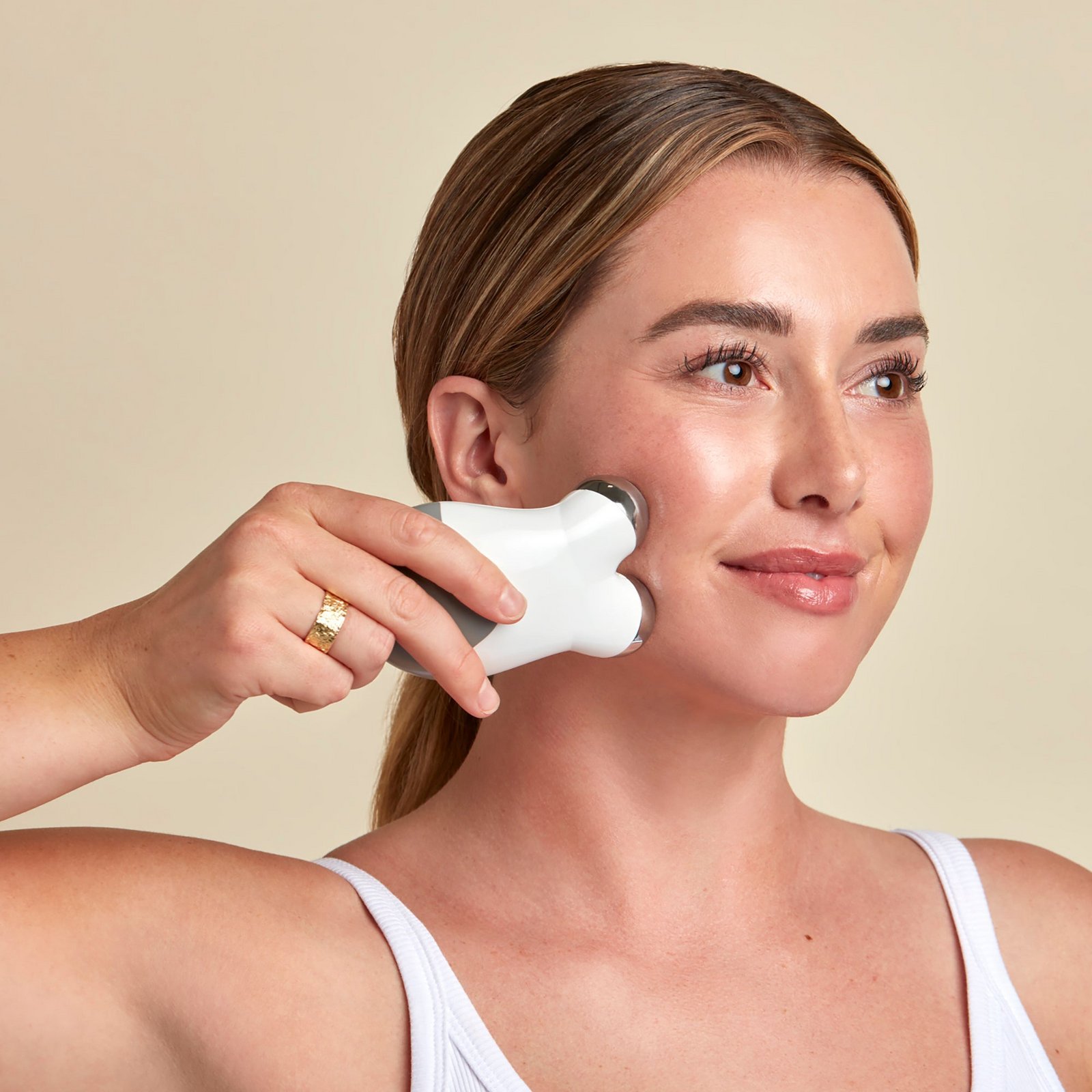
Woman using a handheld microcurrent facial device along her jawline in a bright bathroom.
Affiliate disclosure: Mirror & Glow may earn a commission from qualifying purchases made through links on this page, at no extra cost to you. Full disclosure.
The verdict up front: start with NuFACE Trinity+, the strongest all round match in this line up for home. Every pick is compared in the table below, then reviewed in full with its downsides as well as its strengths.
If you are looking for the best microcurrent facial device for home, the right choice depends on fit, not hype. This guide is written for home, and every criterion below is weighted for that need first. The short answer: choose the microcurrent facial device whose formula, format and strength match your routine, check the ingredient or specification list before the marketing claims, and avoid the options whose downsides match the problem you are trying to solve.
What matters most in microcurrent facial device is covered in depth below: what the product actually is, the types on sale and how they differ, the buying criteria explained one by one, how to use what you buy, and the mistakes that waste the most money in this category.
Best Microcurrent Facial Device for Home Compared
Product
Standout Point
Key Specification
NuFACE Trinity+Top Pick
Attachment ecosystem covers eyes, lips and LED
Microcurrent device with interchangeable treatment heads – app enabled boosters per brand – LED and lip and eye attachments sold separately – Aqua Gel activator
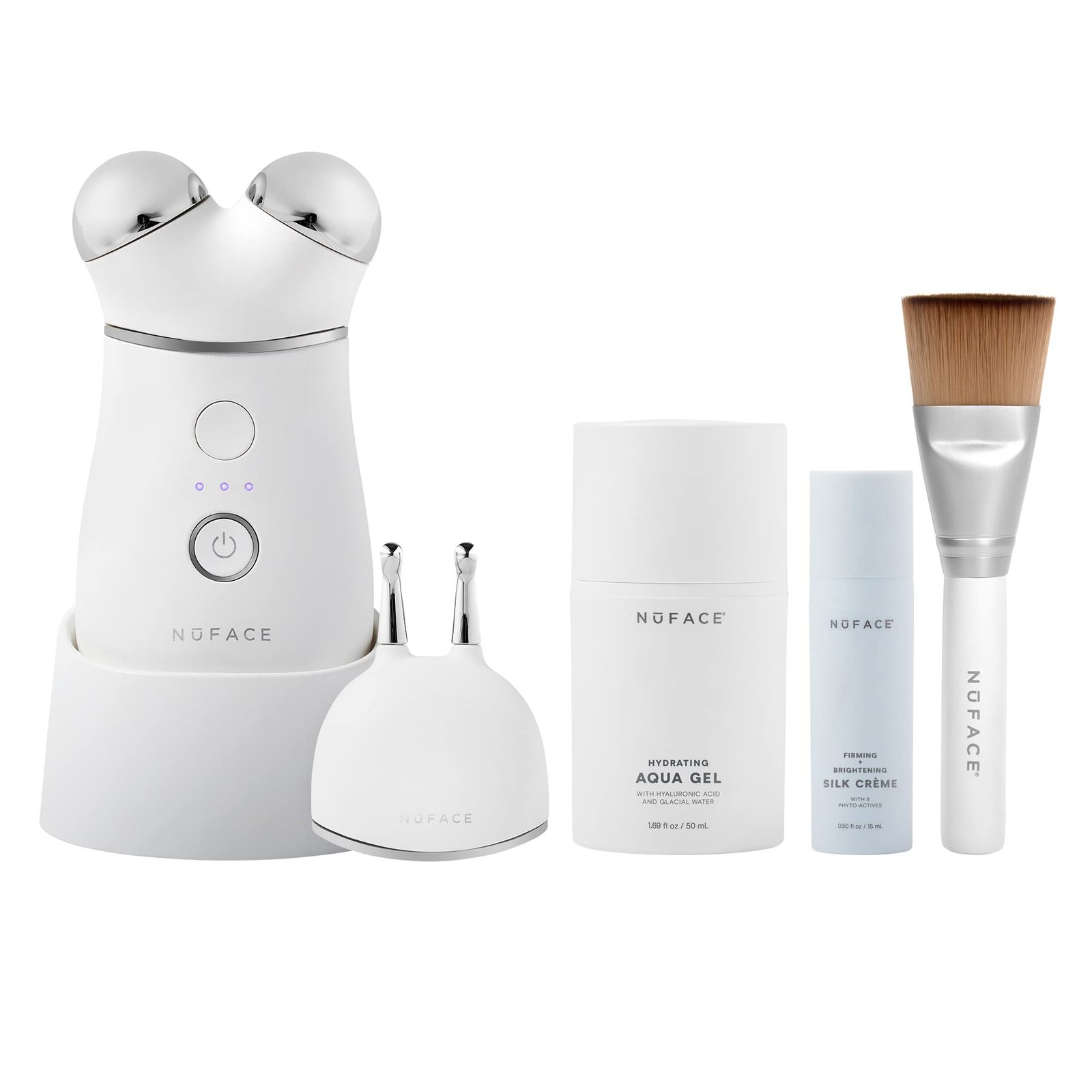
NuFACE is the name most readers arrive with, and the Trinity+ is its fullest home device: a two sphere microcurrent unit whose treatment head swaps, so the base device can take the smaller lip and eye attachment for the contours and the red light LED attachment for tone, both sold separately. The plus generation added app connectivity with guided routines and booster modes that raise output briefly for experienced users. The method is the category standard: conductive gel on clean skin, slow upward glides along the jaw, cheek and brow, five to twenty minutes depending on the routine, five times a week for the first two months on the brand’s protocol. What microcurrent honestly offers is also the category standard: a temporary firmer, more lifted look that builds with consistency and fades when the routine stops, strongest on jawline definition and morning puffiness. The Trinity+ earns the top spot here on ecosystem and support: gels, attachments and tutorials are everywhere, and the device holds resale value if the habit does not stick. The costs are the ecosystem itself, since the attachments that complete it are separate purchases; the gel is an ongoing consumable; and the spheres need a deliberate pace, rushed glides deliver little. Buy it as the platform choice, not the cheapest route in.
Specifications
Microcurrent device with interchangeable treatment heads
app enabled boosters per brand
LED and lip and eye attachments sold separately
Aqua Gel activator
Pros
Attachment ecosystem covers eyes, lips and LED
Guided app routines help consistency
Strong support, gels and resale market
Cons
Key attachments cost extra
Conductive gel is an ongoing cost
Needs slow, deliberate technique
Who should buyyou want the fullest microcurrent platform at home
Who should skipyou want one simple device with nothing to add later
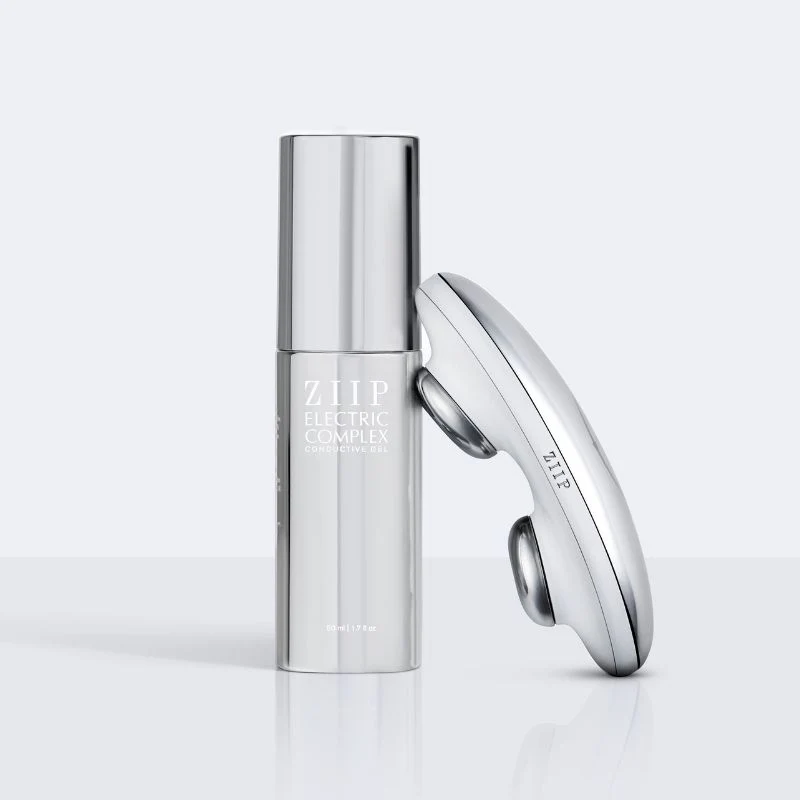
ZIIP’s difference is in the current menu: alongside microcurrent it uses nanocurrent, a much smaller waveform the brand positions for skin quality concerns like tone and breakouts as well as firmness, with treatment plans delivered through the app and changed as programmes rotate. The Halo hardware is a smooth two sphere pebble, charged by USB, used with ZIIP’s own conductive gels, and the app treatments are choreographed by the brand’s founders, which gives sessions a facialist led feel that button only devices lack. For the home user the practical effect is variety: firming routines, brightening routines and problem area routines in one device, refreshed without new hardware. The dependencies are the flip side of that design. The best experience lives inside the app, the gels are proprietary and priced accordingly, and the device’s small contact spheres cover the face more slowly than the wide heads. Readers who enjoy guided, changing programmes will rate it the most engaging device here; readers who want to press a button and glide without a phone in the bathroom should take the NuFACE or FOREO instead. On results, expect the category pattern: cumulative, maintenance dependent, most visible on tone and jawline definition. Battery and upkeep suit the format: a charge lasts through a week of varied plans, the pebble wipes clean, and the gels store beside it. New owners should run the introductory plan before browsing the full library, because the choreographed order teaches hand speed and pressure better than jumping straight to the advanced routines.
Specifications
Microcurrent and nanocurrent device
app delivered treatment plans
two sphere contact points
conductive gel included to start
Pros
Microcurrent plus nanocurrent in one device
Facialist designed app programmes rotate
Compact, travel friendly hardware
Cons
Best experience depends on the app
Proprietary gels cost more
Small spheres cover the face slowly
Who should buyyou enjoy guided programmes that change over time
Who should skipyou want a device that works fully without a phone
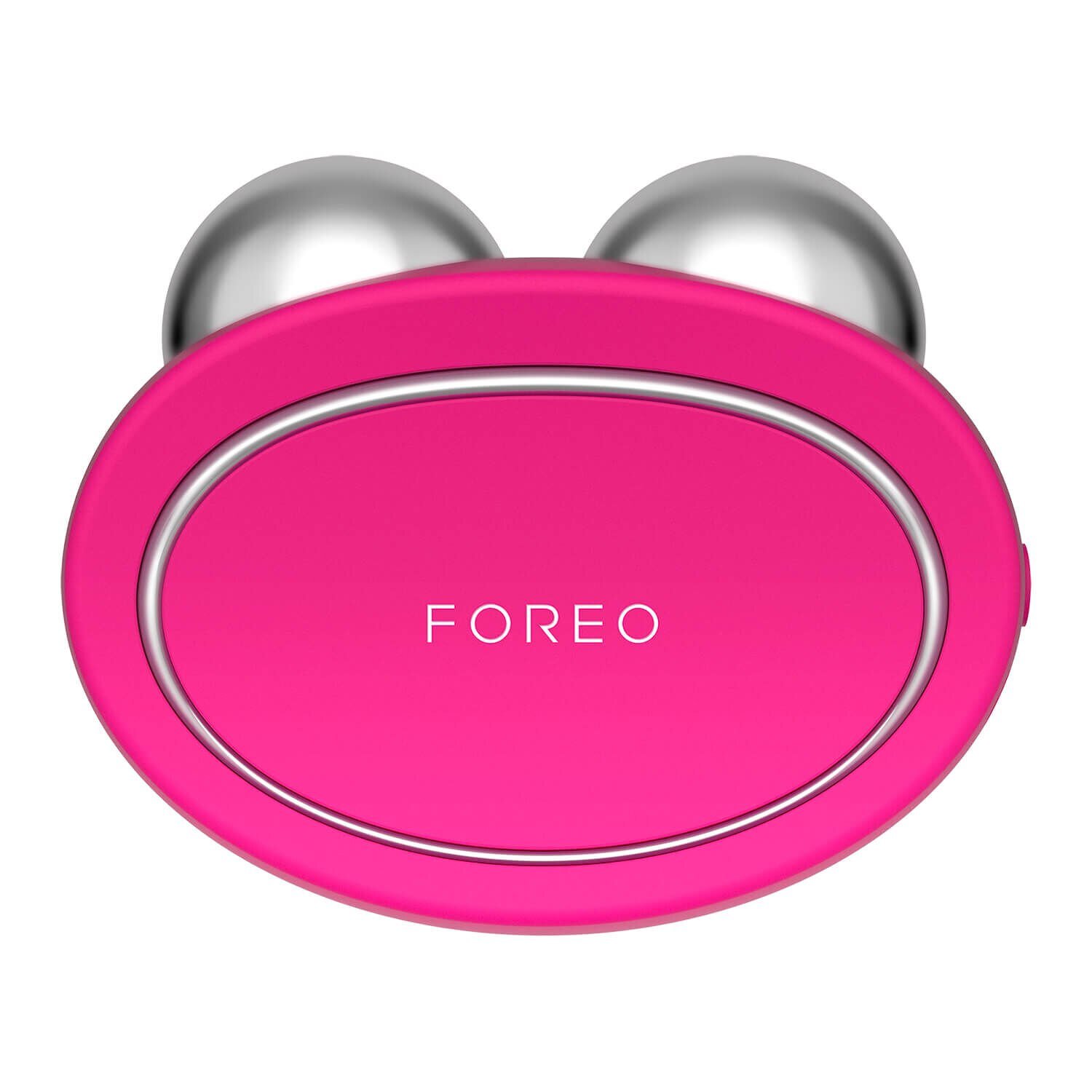
FOREO built the BEAR around the two objections people raise to microcurrent: that it stings and that it is slow. The sting question is answered by the anti shock system, which reads skin resistance hundreds of times a second per the brand and adjusts the current to it, making the BEAR the most comfortable device here for sensitive skin and nervous first timers. The speed question is answered by combining microcurrent with the brand’s T-Sonic pulsations and a wide two sphere face, so a full routine takes a couple of minutes rather than twenty. The fuchsia BEAR 2 in the photograph is the full size model, app connected with guided routines, charged by USB and waterproof enough for bathroom life. In the hand it feels like a FOREO product, silicone, sealed and wipe clean, a genuine hygiene advantage over crevice heavy rivals. The limits: the very comfort system that protects beginners caps the intensity ceiling experienced users chase; the brand’s conductive serum is another proprietary consumable; and the pulsation feel divides opinion. For the reader who tried microcurrent before and quit because it hurt or took too long, this is the device designed to change the verdict. One routine habit gets the most from it: because sessions are short, morning use is realistic, and owners who pair it with their conductive serum straight after cleansing report the best consistency of any device here. The sealed body also means it can live on the shower shelf, though charging is via a cable that wants a dry socket.
Specifications
Microcurrent with T-Sonic pulsations
anti shock system that measures skin resistance
app connected
five intensity levels per brand
Pros
Anti shock system suits sensitive skin
Two minute routines are realistic daily
Sealed silicone body wipes clean
Cons
Comfort cap limits maximum intensity
Proprietary serum is an ongoing cost
Pulsation feel divides opinion
Who should buyyou quit microcurrent before because it stung or took too long
Who should skipyou want the highest intensity ceiling available
The Mini+ is the Trinity platform distilled: the same two sphere microcurrent method in a smaller, lighter body with three intensity levels, sold as a starter kit with the Aqua Gel included so the first routine happens the day it arrives. It covers the essential geography, jaw, cheeks, brow and neck, and its size makes it the one device here that genuinely travels, which matters because microcurrent results are a consistency game and holidays are where routines die. The plus generation’s app link adds guided routines and reminders that the original Mini lacked. What is given up against the Trinity+ is the attachment system, so no lip and eye head and no LED head later, and a smaller battery. Neither matters to the reader this is for: someone deciding whether microcurrent earns a permanent place in their routine, who wants the authentic method without funding the full ecosystem on day one. If the habit sticks and the contours call, the upgrade path is the Trinity+; if it does not, the Mini+ has cost the least to learn that. As an entry device from the category’s best known name, it is the low risk recommendation of this guide. Charging is via the included cradle or cable depending on kit, and a full charge covers a fortnight of daily short sessions, so it is the one device here you can take on a two week trip without packing its charger. Keep the gel tube capped tightly; it dries at the nozzle and the first squeeze of a dried tube wastes more than a session uses.
Specifications
Compact microcurrent device
three intensity levels per brand
app enabled
Aqua Gel included in the starter kit
travel sized
Pros
Authentic NuFACE method at the lowest entry cost
Starter kit includes the gel
Small enough to keep the routine while travelling
Cons
No attachment options later
Smaller battery than the Trinity+
Three intensities only
Who should buyyou want to test microcurrent properly at the lowest cost
Who should skipyou already know you want the attachment ecosystem
MyoLift is the professional’s entry in this guide: 7E Wellness supplies microcurrent machines to treatment rooms, and the Mini is its home unit, recognisable by the console and twin probes in the photograph instead of a beauty pebble. The difference is control and honesty of specification: output is stated in microamps, up to 400 per the brand, with preset programmes for toning, lifting and product infusion, and the probes let a practised user work one muscle group at a time with a precision the fixed sphere devices cannot match, pinching and holding along the jaw and brow the way a facialist does. The learning curve is the price of that control: probe technique takes a few sessions of video tuition to feel natural, sessions run longer, and the console will never be a pretty bathroom object. In return this is the device experienced users graduate to, the one whose settings mean something measurable, and the only one here a professional would recognise as a colleague. Readers who want measurable output and are willing to learn technique should start here and skip the pebbles entirely; readers who want two minute convenience should not, because an unused professional device lifts nothing. Home setup is part of the ownership picture: the console wants a stable surface near a mirror, the probes reach comfortably across the face from it, and a small towel for gel and probe wiping completes a workstation that takes two minutes to lay out. Owners who give it that permanent corner use it; owners who pack it away between sessions, by the brand’s own community accounts, use it less.
Specifications
True microcurrent up to 400 microamps per brand
two handheld probes
seven preset programmes per brand
conductive gel used with probes
Pros
Stated output up to 400 microamps
Probes work muscle groups with precision
Professional treatment room heritage
Cons
Probe technique takes practice
Longer sessions than pebble devices
Console design is clinical, not pretty
Who should buyyou want measurable, professional style microcurrent
Who should skipyou want the simplest two minute routine
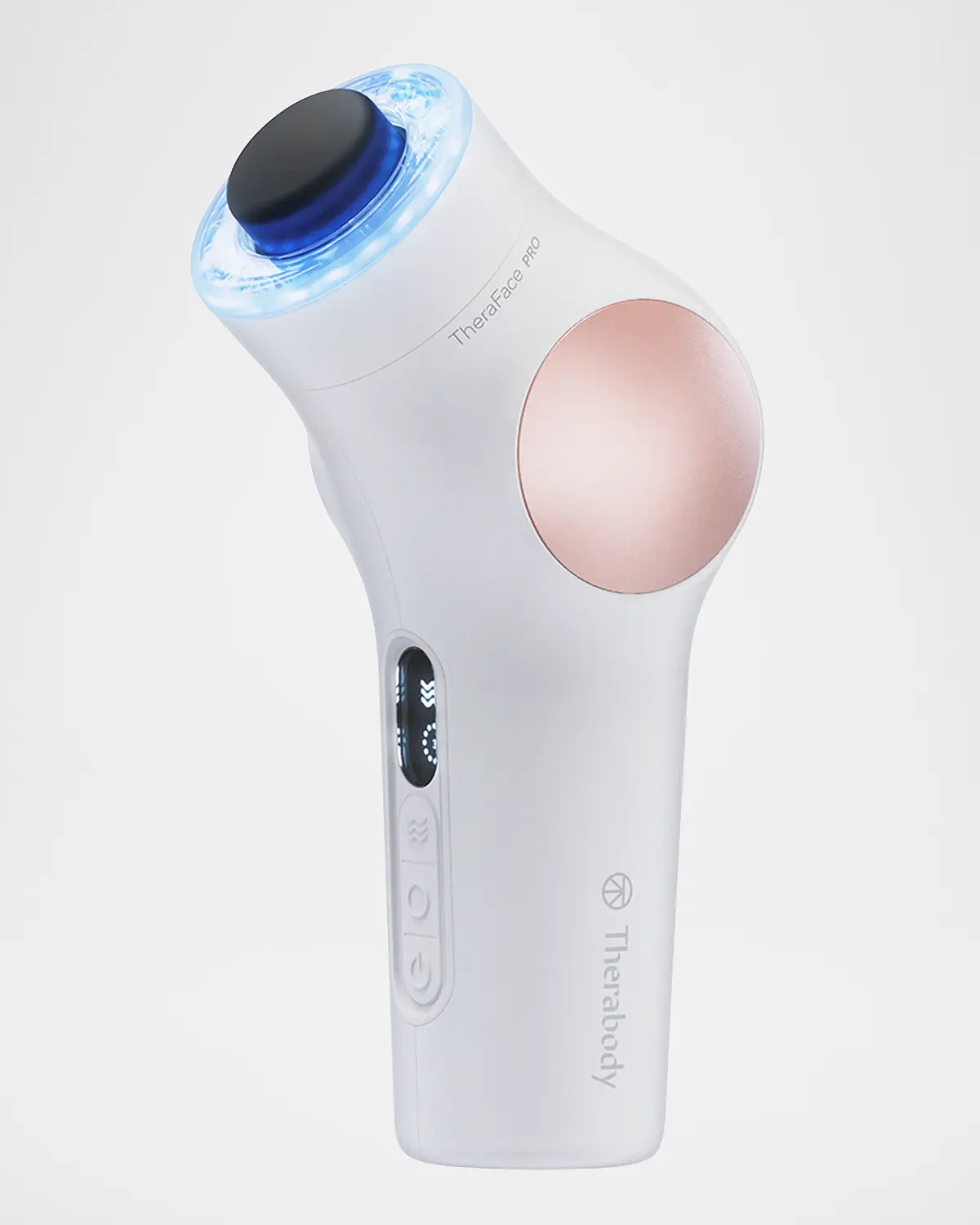
TheraFace Pro is the multi tool answer: one handle, a ring of magnetic attachments, and microcurrent delivered through a dedicated ring that shares the device with an LED light ring, three percussive heads and a cleansing ring. For the reader whose bathroom shelf is the problem, it replaces three or four single job devices with one system, and the microcurrent ring itself is well shaped for jaw and cheek work with standard conductive gel. The percussive side is Therabody’s home turf and genuinely pleasant for jaw tension, which for many users becomes the daily habit that keeps the device in hand, with microcurrent riding along. Judged strictly as a microcurrent device against specialists, the compromises show: output and programme detail are less developed than NuFACE or MyoLift, the ring covers contours less precisely than twin spheres or probes, and the full attachment set makes this a premium purchase whose value depends on using several of its jobs. The honest framing is that microcurrent is one of its talents rather than its whole identity. Buy it to consolidate a device collection around one quality handle; buy a specialist if microcurrent is the single job you care about most. The case matters more than it sounds: with five attachments in rotation, owners who keep the system in its case use more of it, while loose rings in a drawer quietly reduce the device to whichever head was left fitted. Charge state is shown on the handle, and a weekly top up keeps the whole platform ready rather than whichever function you remembered to charge.
Specifications
Modular facial device
microcurrent ring attachment
LED light ring
percussive and cleansing attachments
magnetic attachment system
Pros
One handle replaces several devices
Microcurrent, LED, percussion and cleansing
Jaw tension relief builds a daily habit
Cons
Microcurrent less developed than specialists
Ring shape is less precise on contours
Premium price needs several jobs used
Who should buyyou want one device for microcurrent, light and massage
Who should skipmicrocurrent is the only job you care about
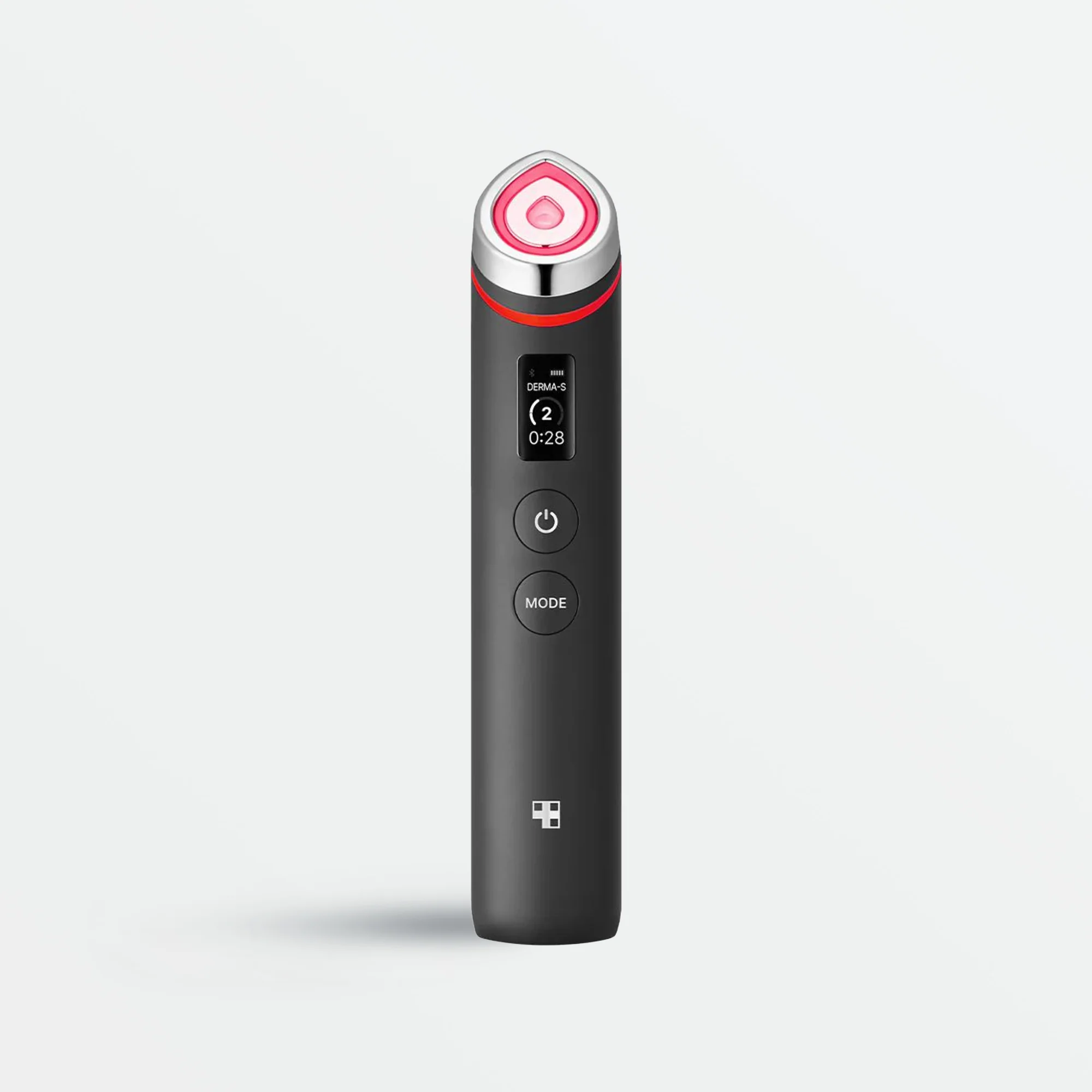
Medicube’s Booster Pro is the Korean beauty tech answer, packing six functions into one wand: an electroporation booster mode meant to push skincare in, a microcurrent mode, an EMS mode for firmer stimulation, an air shot mode for texture, plus LED and vibration. In this guide it must be judged on its microcurrent mode, which is real but is one voice in a choir: the head is a single applicator rather than twin spheres, so the glide technique is simpler and less targeted, and session guidance comes from the brand’s app ecosystem. Where it wins is the routine around the microcurrent: readers whose main frustration is expensive serums sitting on the skin will use the booster mode daily, and the microcurrent benefits from a device that is already in the hand every day. The device in the photograph, black with its mode display, is well made and the modes are clearly separated rather than blended into mush. The cautions: mode marketing in this category inflates fast, so buy it for the two or three modes you will actually use; instructions and support are improving in English but still Korea first; and purists should note the EMS mode feels quite different from microcurrent and is not a substitute for it.
Specifications
Six in one device per brand
electroporation booster mode
microcurrent MC mode
EMS derma shot mode
LED and sonic vibration
Pros
Booster mode earns daily use on its own
Microcurrent and EMS in one wand
Clear mode display and solid build
Cons
Single applicator head, less targeted glides
Six modes invite paying for unused features
Support and content are Korea first
Who should buyyou want skincare boosting and microcurrent in one daily wand
Who should skipyou want twin sphere microcurrent technique specifically
Solawave shrank the treatment into a wand: microcurrent, red light, gentle warmth and vibration in a pen sized tool with a rotating head, used with the brand’s activating serum in sessions of a few minutes per area. Its case in a microcurrent guide is the routine it enables: it lives in a makeup bag, comes out while the kettle boils, and works the under eye and smile line areas that wide sphere devices skate over. The red light adds a tone benefit the pure microcurrent pebbles lack, and the warmth makes product spread and the whole thing feel like care rather than exercise. Judged on microcurrent power alone it is the lightest touch here: the wand format and small contact area cannot deliver the structured jaw and cheek protocol of a Trinity+ or the measured output of a MyoLift, and per area sessions add up if you try to make it do a full face programme. That is the wrong test, though. This is the device for targeted areas and minimal routines, the one most likely to be used daily by someone who would never keep a twenty minute protocol. Consistency at light intensity beats intensity abandoned, which is the Solawave argument in one line.
Specifications
Wand format
microcurrent with red light therapy
therapeutic warmth and facial massage per brand
rotating treatment head
Pros
Pen format reaches under eyes and smile lines
Red light, warmth and massage in the same pass
Lives in a makeup bag, gets used daily
Cons
Lightest microcurrent delivery in this guide
Full face programmes take many small sessions
Brand serum is the recommended partner
Who should buyyou want a daily two minute targeted routine
Who should skipyou want a structured full face lifting protocol
The FIX is microcurrent as a spot treatment: a pen with a small twin tip sized for the under eye, the lip line, brow tails and the creases beside the nose, used with its own serum in short flicking and smoothing motions of about three minutes per area. It exists because the face’s most complained about lines sit in places a two sphere device physically cannot work well, and within that brief it is genuinely effective at the category’s usual promise: a temporary smoothing and firming of the treated area that shows most on tired under eyes before an evening out. As a standalone purchase it needs framing: this is a complement to a full device or a single concern tool, not a face programme, and readers wanting jaw and cheek work should start with the Mini+ above. The serum partnership is the ongoing cost, though any conductive medium keeps it running at a basic level. Battery life is long, the cap keeps the tip clean in a bag, and it is the only device here small enough to live in a handbag permanently. For the reader whose whole microcurrent interest is one area, the FIX answers it directly without buying a platform.
Specifications
Pen style microcurrent device
targeted tip for eyes, lips and lines
FIX serum partner product
three minute area treatments per brand
Pros
Tip sized for under eyes and lip lines
Three minutes per area, easy to keep up
Handbag sized with a protective cap
Cons
Spot treatment only, not a face programme
Partner serum is the ongoing cost
No use for jaw and cheek lifting
Who should buyone small area is your whole concern
Who should skipyou want full face and jaw microcurrent
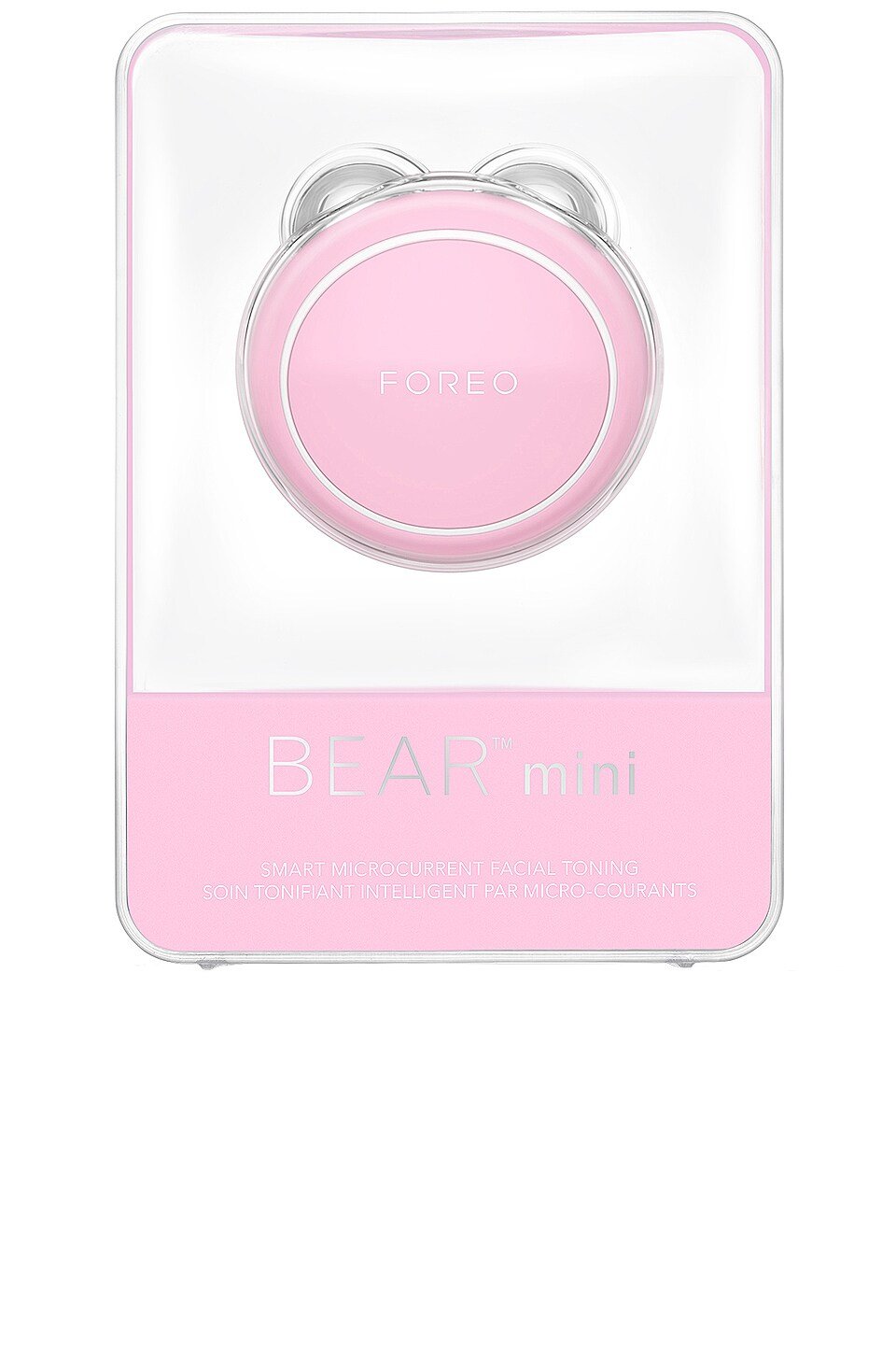
The BEAR mini takes the full BEAR’s two signature systems, the anti shock current adjustment and T-Sonic pulsations, and shrinks them into a palm sized device aimed at the eye area, brow and lip line rather than the whole face. It is the sensitive beginner’s targeted tool: the current self adjusts to skin resistance, the pulsations help the small spheres glide on a film of serum, and the app supplies short guided routines for the areas it covers. In the retail box photographed it presents as the giftable end of the category, and its size makes it the natural second device for a reader who owns a full size unit from another brand but wants FOREO’s gentler delivery around the eyes. The limits are the mini format itself: cheeks and jaw are technically possible but slow, so as an only device it under serves the areas microcurrent is most bought for; and the same proprietary serum advice applies as with its big sibling. Position it correctly, as the targeted, comfort first option for delicate areas and delicate skin, and it has no direct rival here except the FIX, against which it trades the pen’s precision for a gentler, pulsation assisted glide.
Specifications
Compact microcurrent device
T-Sonic pulsations
anti shock system
app connected
targeted area size
Pros
Anti shock comfort for delicate areas
Pulsations help the small head glide
Ideal second device for eyes and brows
Cons
Too small for efficient jaw and cheek work
Proprietary serum recommended
Overlaps the FIX’s job in this guide
Who should buyyou want the gentlest targeted treatment for eyes and brow
Who should skipyou need one device for the whole face
A microcurrent device passes a very low level electrical current across the face using two probes or a shaped head, always with a conductive gel. It is used in slow, gliding routines aimed at a firmer, more lifted look to the face, with results that are temporary and cumulative with use.
The gel is not optional: without a conductive layer the current does not pass evenly and the device simply drags. Devices differ in waveform claims and programme design, but published current levels are low across the category, and technique, slow upward glides holding at key points, decides the session more than settings do. Contraindications matter here: pregnancy, pacemakers and certain medical conditions are standard exclusions in manuals, and they come before any beauty goal.
How to Choose: the Criteria That Matter
Choosing a beauty device well means reading the manual before the reviews: check the published specifications, your own suitability against the charts, the contraindications, and the session schedule the course demands. Then price two years of consumables. A device that passes those checks and fits a routine you already keep is a sound buy; one bought for its best case result usually ends in a drawer.
The technology and its published specifications, such as light wavelengths for LED or skin tone sensors for IPL
Published specifications separate devices from gadgets: stated wavelengths for light devices, energy and sensor details for IPL, current programmes for microcurrent. A device that will not state its numbers is asking to be bought on faith.
Suitability for your skin and hair type, checked against the manufacturer’s own charts
Suitability is a safety gate, not a preference: skin tone and hair colour charts for IPL, contraindication lists for light and current devices. Check yourself against them honestly before buying, because the wrong match means a device that cannot be used.
Safety features: eye protection, skin contact sensors and automatic shut off
Safety features are the product: skin contact sensors, eye protection design, automatic shut off and lock outs for unsuitable skin tones. In a category used on faces and eyes, these outrank extra modes.
Session time and frequency, because a device only works if the routine is realistic
Session realism decides results: a device needing twenty minutes five times a week will lose to a ten minute one you actually use. Read the manual’s schedule and price your own discipline honestly before choosing.
Running costs: replacement heads, gels or cartridges the device needs over time
Running costs hide in consumables: conductive gels, replacement heads, cartridges and lamp life. Add two years of them to the purchase price to compare devices truthfully.
Also Considered
These products were researched for this guide and left off the picks list for the reasons given. They are not poor products; they simply fit the exact question of this guide less well.
Pure Daily Care Luma Skin Therapy Wand
A popular four in one wand combining light, heat and vibration. It was left off because its microcurrent is the least developed of its modes, and this guide ranks devices on microcurrent first.
Clareblend Jeunesse
A professional wand system with a genuine following among aestheticians. It was left off because home availability and pricing information are too inconsistent for a consumer guide to present fairly.
Skin Gym Beauty Lifter Vibrating T-Bar
Researched and excluded on accuracy grounds: it is a vibration tool with no microcurrent at all, despite often being shelved and searched as one.
How to Use What You Buy
Read the manufacturer’s manual fully before the first session, including who should not use the device
Patch test or start with the shortest, lowest setting the manual allows
Prepare skin as directed, usually clean and dry with no products unless a gel is specified
Follow the stated session time and weekly frequency rather than improvising more
Track results over the full period the manual describes before judging the device
Devices work on course logic: prepare skin as the manual directs, use the stated settings and schedule without improvising more, and track results over the full period described, with photographs in consistent light for anything gradual. More frequent or stronger use than directed is the category’s classic error, and it buys irritation, not speed.
Five minutes, several times a week, on cleansed skin with a generous gel layer, working in sections and reapplying gel as it dries. Treat it as a routine device: the look it gives is best maintained, not achieved once.
Who Should Buy, and Who Should Skip
Buy if your need matches this guide exactly: you are looking for options for home, you have checked the criteria above against your current routine, and you are willing to introduce the product gradually and judge it over the period the category needs.
Skip if your concern is different from the one in the title, your skin or hair is currently irritated or damaged and needs recovery first, or a clinician has advised you on this concern, in which case their advice comes before any buying guide.
Common Mistakes in Microcurrent Facial Device
Using a device more often than directed, expecting faster results
Skipping the suitability chart for skin tone, hair colour or medical conditions
Using IPL or light devices over tattoos, moles or irritated skin
Judging a gradual device after two sessions instead of a full course
Skimping on gel, so the device drags and delivers uneven contact
Using it over the thyroid area at the front of the neck, which manuals direct you to avoid
Frequently Asked Questions
How do I choose the right microcurrent facial device?
Start with the criteria in this guide: match the formula or specification to your skin type and the exact concern in the title, check the published ingredient or specification list, and pick the option whose downsides do not overlap with your problem. The type decision comes first: most disappointment in microcurrent facial device is a good product bought in the wrong type.
How long before I see results from a microcurrent facial device product?
It depends on the category, but most beauty devices products need consistent use over several weeks before a fair judgement. Devices and treatments state their expected course in the manual or on the packaging, and that timeline is the one to follow. Judge on the category’s clock, not on the first week.
What should I avoid when buying for home?
Avoid buying on claims alone: skip options with no published ingredient or specification list, strengths far beyond what your routine needs, and any product whose stated downsides match the exact issue you are trying to fix. Also avoid changing two other parts of your routine in the same week, which makes the new product impossible to judge.
Is the most expensive option always the best?
No. In microcurrent facial device, price often reflects branding, packaging and extras rather than the core ingredient or specification doing the work. The criteria in this guide matter more than the price band, and mid priced options with the right specification beat premium options with the wrong one.
What is the most common mistake with microcurrent facial device?
Skimping on gel, so the device drags and delivers uneven contact A close second: using it over the thyroid area at the front of the neck, which manuals direct you to avoid
How does microcurrent facial device fit into a daily routine?
Five minutes, several times a week, on cleansed skin with a generous gel layer, working in sections and reapplying gel as it dries. Treat it as a routine device: the look it gives is best maintained, not achieved once. Devices work on course logic: prepare skin as the manual directs, use the stated settings and schedule without improvising more, and track results over the full period described, with photographs in consistent light for anything gradual.
How Long Do the Effects of a Microcurrent Facial Last?
The companion how-to guide, How Long Do the Effects of a Microcurrent Facial Last, covers this in full: the step by step method, the right amounts and frequency for your type, and the mistakes that stop it working. It is linked from the routine sections of this page, and it is the right next read once you have chosen a product.
By Mirror & Glow Editorial Desk – November 23, 2026
How Long Do the Effects of a Microcurrent Facial Last? Five minutes, several times a week, on cleansed skin with a generous gel layer. The full method, the mistakes to avoid, and where it fits in your routine.
By Mirror & Glow Editorial Desk – November 23, 2026
How Often Can You Use Microcurrent on Your Face? Five minutes, several times a week, on cleansed skin with a generous gel layer. The full method, the mistakes to avoid, and where it fits in your routine.
By Mirror & Glow Editorial Desk – November 23, 2026
How Often Should You Use a Microcurrent Facial Device? Five minutes, several times a week, on cleansed skin with a generous gel layer. The full method, the mistakes to avoid, and where it fits in your routine.